










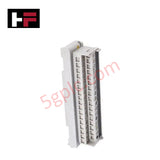
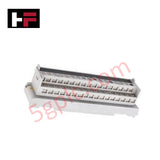
Product Details
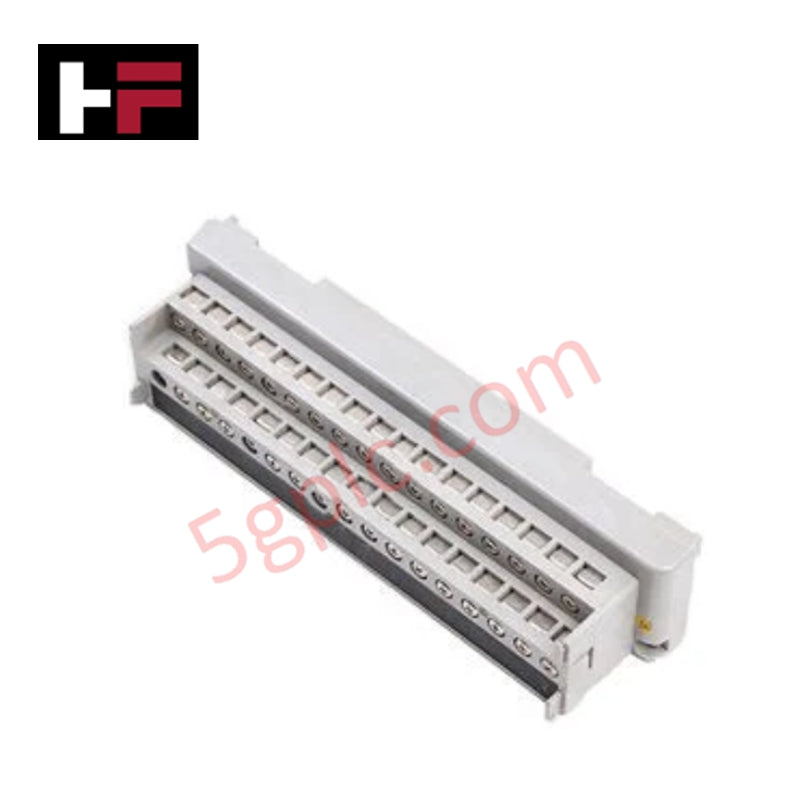
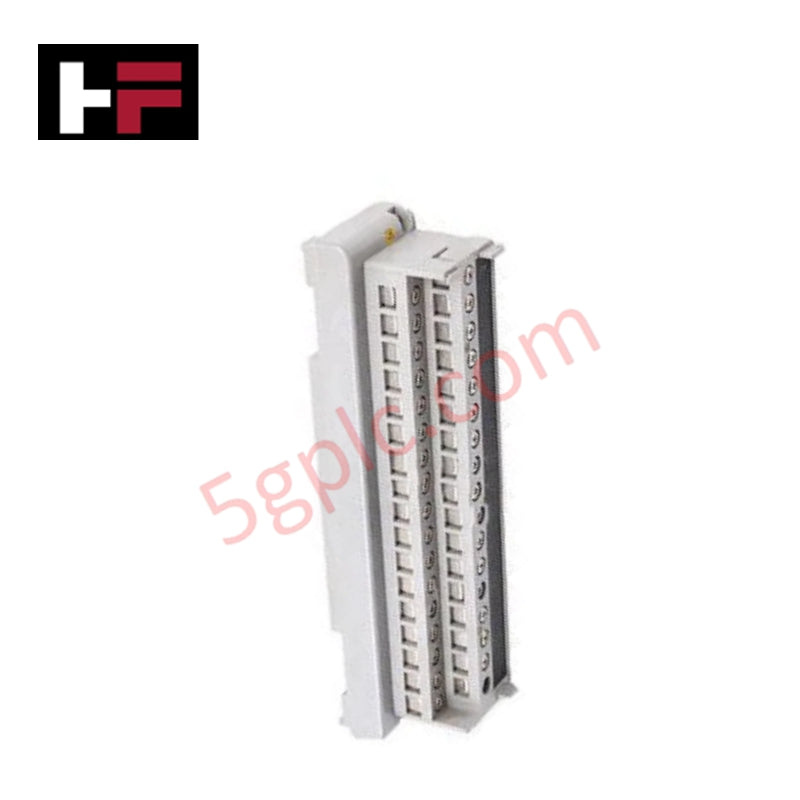
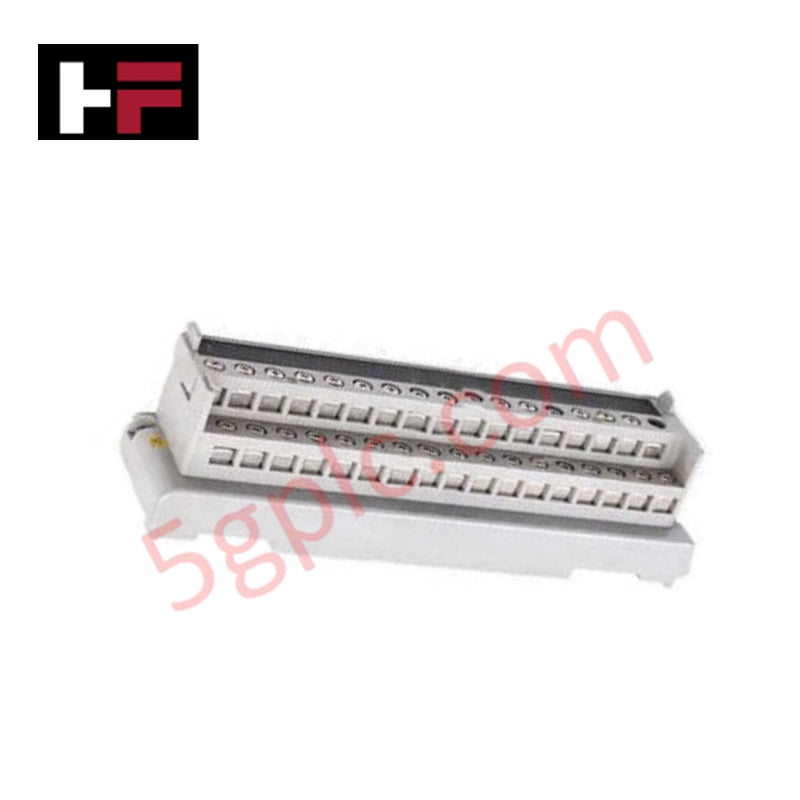
Yokogawa AMM22M mV Input Multiplexer Module
The Yokogawa AMM22M is a high-precision millivolt (mV) input multiplexer module designed for the CENTUM CS and CENTUM VP distributed control systems. It solves the challenge of acquiring accurate low-voltage signals from extensive sensor arrays by consolidating up to 22 analog input channels into a single, compact unit. This module is essential for industrial applications requiring high-density data collection, such as temperature monitoring via thermocouples or strain gauge measurements, ensuring signal integrity and system reliability in complex automation environments.
Technical Specifications
The AMM22M is engineered for high input impedance and exceptional accuracy in low-level signal processing.
| Parameter | Specification |
|---|---|
| Product Type | mV Input Multiplexer Module |
| Model Number | AMM22M |
| Compatible Systems | CENTUM CS, CENTUM VP |
| Input Channels | 22 Analog Input Channels |
| Input Signal Range | -100 mV to +100 mV DC |
| Allowable Input Voltage | -0.5 V to +4.0 V DC |
| Input Resistance | 1 MΩ (E1 MΩ) |
| Accuracy | ±40 µV (Microvolts) |
| Burnout Detection | Selectable (UP / DOWN / OFF) |
| Disconnection Detection | ≤ 10 seconds response time |
| Data Update Period | 1 second |
| Dimensions | 12.7 cm x 2.5 cm x 20.3 cm |
| Weight | 0.2 kg |
Model Code Interpretation
For Yokogawa modules, the suffix codes provide critical information about the hardware revision and interface type.
Part Number: AMM22M
AMM22-AXX
-
A (Suffix -M): This suffix typically designates the specific hardware revision or "Modified" version.
-
-M: In the context of the AMM series, this often indicates a specific iteration designed for enhanced performance or compatibility with updated carrier standards (such as the AMN32 or AMN34). It distinguishes the unit from earlier revisions (like the base AMM22) which may have different channel counts or isolation specifications.
Note: Always verify the suffix on the module label to ensure it matches the engineering specifications for your specific CENTUM system configuration.
Installation and Wiring Guidelines
Proper installation is crucial to maintain the high accuracy (±40 µV) specified for the AMM22M.
-
Carrier Installation: The AMM22M is designed to be mounted in specific I/O carrier boxes (such as the AMN series). Slide the module into the designated slot until it locks securely into the backplane.
-
Wiring for Low-Voltage Signals:
-
Shielding: Because the module handles low-level mV signals, it is highly susceptible to electrical noise. You must use high-quality shielded twisted-pair cables for all connections.
-
Grounding: Ground the cable shield at the control cabinet end (single-point grounding) to prevent ground loops, which can introduce significant measurement errors.
-
Burnout Configuration: Before commissioning, configure the burnout detection settings (UP, DOWN, or OFF) via the system engineering software. This ensures the system correctly identifies sensor failures (e.g., a broken thermocouple wire).
-
Input Resistance Check: Ensure the signal source resistance is within the allowable limit (≤ 1 kΩ) to maintain measurement accuracy. High source resistance can lead to voltage drops and reading errors.
Frequently Asked Questions (FAQ)
Q: What is the primary application for the AMM22M?A: The AMM22M is primarily used for measuring low-voltage signals, such as those from thermocouples, strain gauges, or other millivolt-output sensors. Its high input resistance (1 MΩ) makes it ideal for these sensitive applications.
Q: How does the burnout detection feature work?A: The module can be configured to detect open circuits (sensor breakage). If a disconnection occurs, the module drives the signal upscale (UP) or downscale (DOWN) to alert the operator, depending on the user configuration.
Q: Is the AMM22M compatible with CENTUM VP?A: Yes, this module is fully compatible with both CENTUM CS and CENTUM VP systems, allowing for seamless integration and upgrades within existing control architectures.
Q: What does "E1 MΩ" input resistance mean?A: This indicates a very high input impedance (typically 1 Megaohm). High impedance ensures that the module draws minimal current from the signal source, preventing the measurement device from loading the circuit and altering the voltage reading.
Shopify SEO Data
SEO Title:Yokogawa AMM22M mV Multiplexer | CENTUM CS/VP Module | In Stock
Meta Description:Genuine Yokogawa AMM22M mV Input Multiplexer. 22-Channel High Precision for CENTUM VP/CS. Brand New, In Stock & Fast Shipping. Order Today.
Additional Information
- 100% Genuine Parts: All products are original and authentic, ensuring reliable industrial performance.
- 30-Day Refund Guarantee: Return any in-stock item within 30 days in original, unopened packaging for a full refund (excluding shipping and fees).
- 12-Month Warranty: Covers defects in materials or workmanship; excludes misuse, normal wear, or unauthorized modifications.
- Worldwide Shipping: We ship via USPS, UPS, FedEx, and DHL. Delivery times vary by country and may be subject to customs or import fees.
- Support & Contact: Technical and warranty assistance is available anytime. Contact us here: Contact.
- Purchase Guidance: Check product specifications and compatibility carefully before ordering to ensure proper application.


Tech & Buying Guide
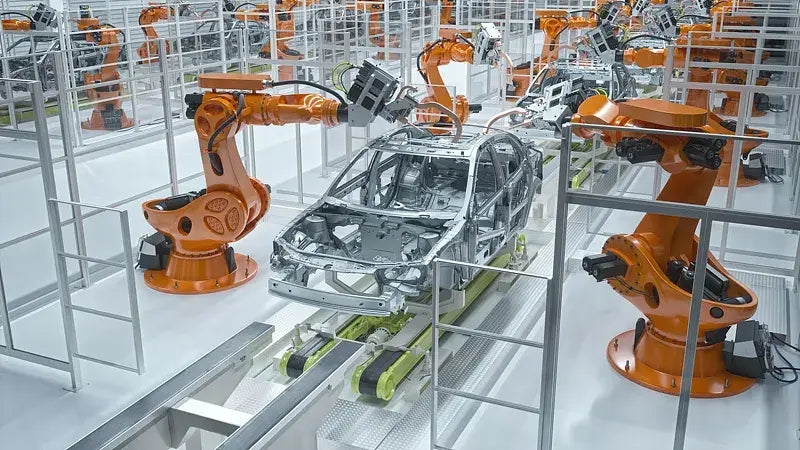
Safety Relays in Industrial Automation: Fundamentals, Design Standards, and Fail-Safe Architecture
Safety relays form the bedrock of functional safety in modern factory automation, preventing catastrophic equipment failure and protecting plant personnel. While standard electromechanical relays handle basic load switching, they lack the redundant diagnostics required for high-risk industrial environments. Modern industrial automation platforms—including programmable logic controllers (PLCs) and distributed control systems (DCS)—rely on specialized safety relays to monitor field devices and isolate hazards instantly.

Voice-Activated Industrial Automation: Integrating Speech Control into PLC and DCS Architectures
Industrial automation integrates speech recognition, IIoT protocols, and NLP with PLCs and DCS to streamline operations. By leveraging advanced edge computing, engineers enable real-time, hands-free control—allowing personnel to manage smart factory processes safely away from hazardous equipment.
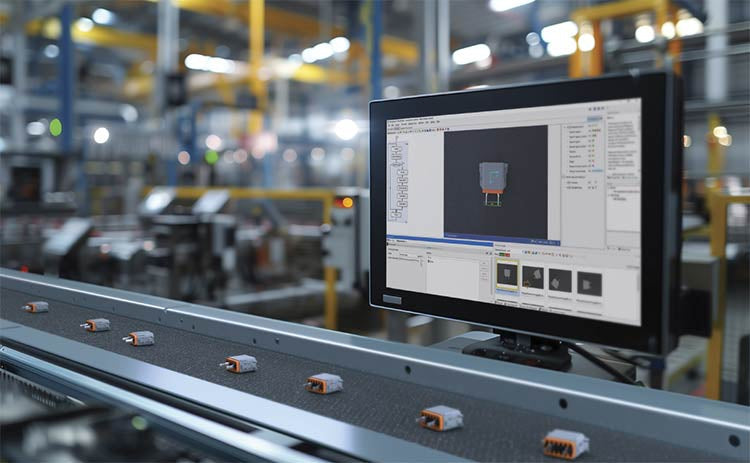
Modern Industrial Automation: Transforming Safety and Efficiency in Mining Operations
Industrial automation has evolved from a simple manufacturing tool into the operational backbone of high-risk sectors. Modern mining operations increasingly rely on advanced control systems, programmable logic controllers (PLCs), distributed control systems (DCS), and artificial intelligence to address deep-underground hazards. By replacing manual labor in high-risk zones, factory automation technologies protect personnel while significantly boosting operational throughput.