Product Details
Product Overview
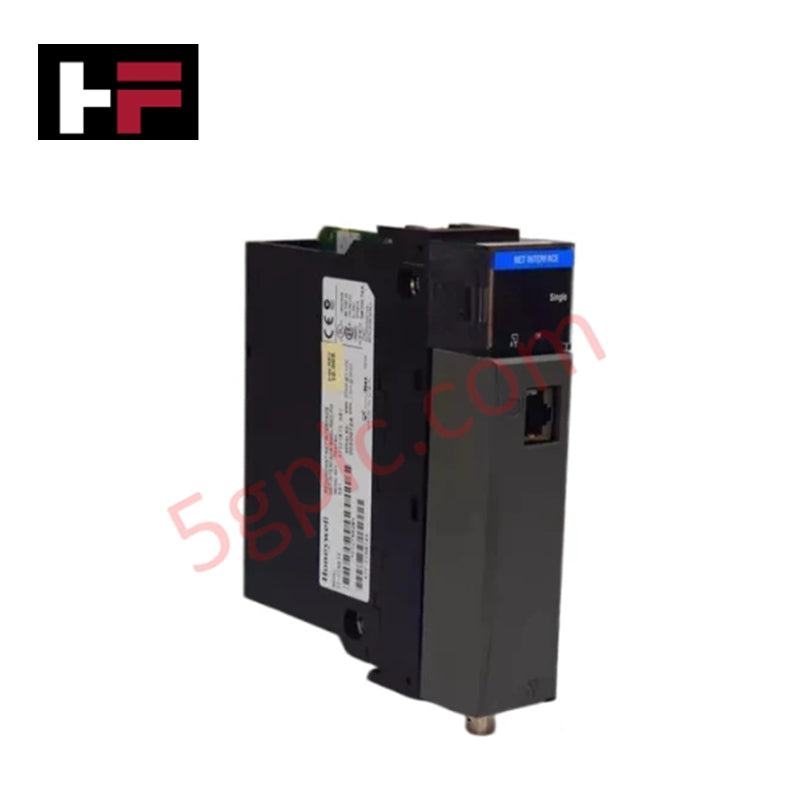
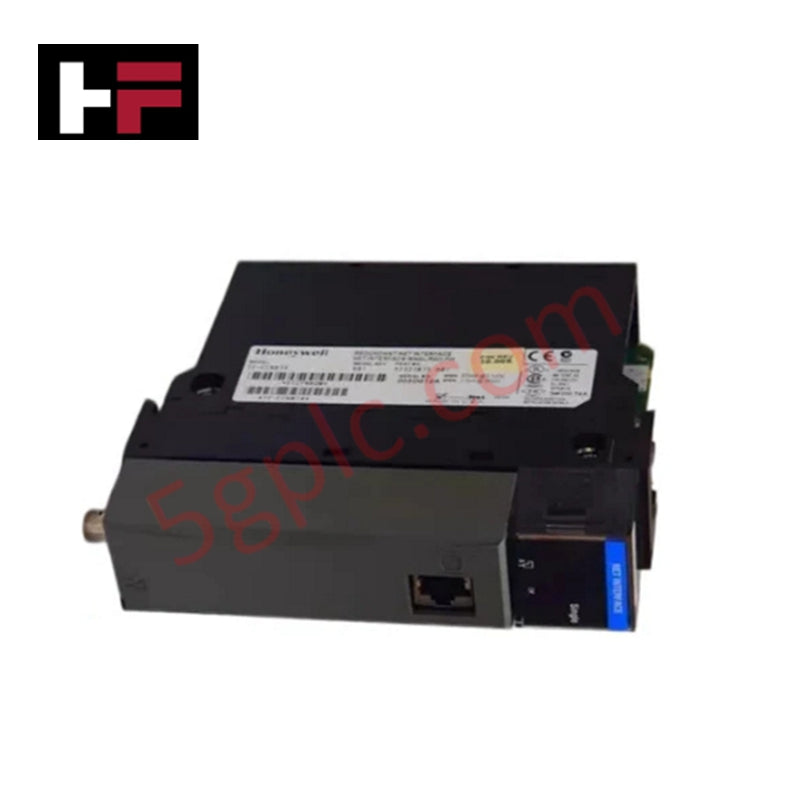
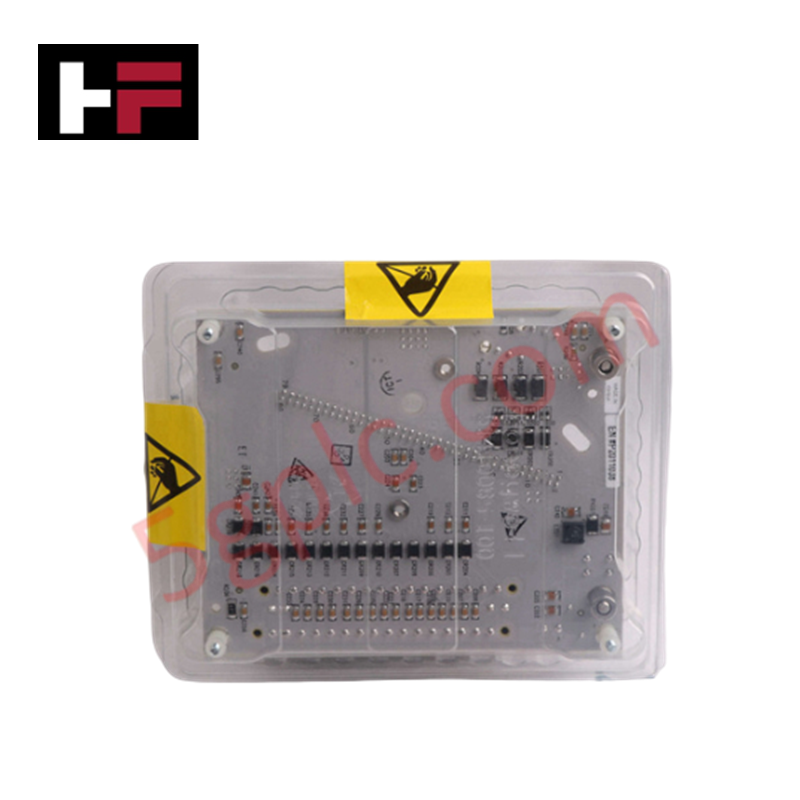
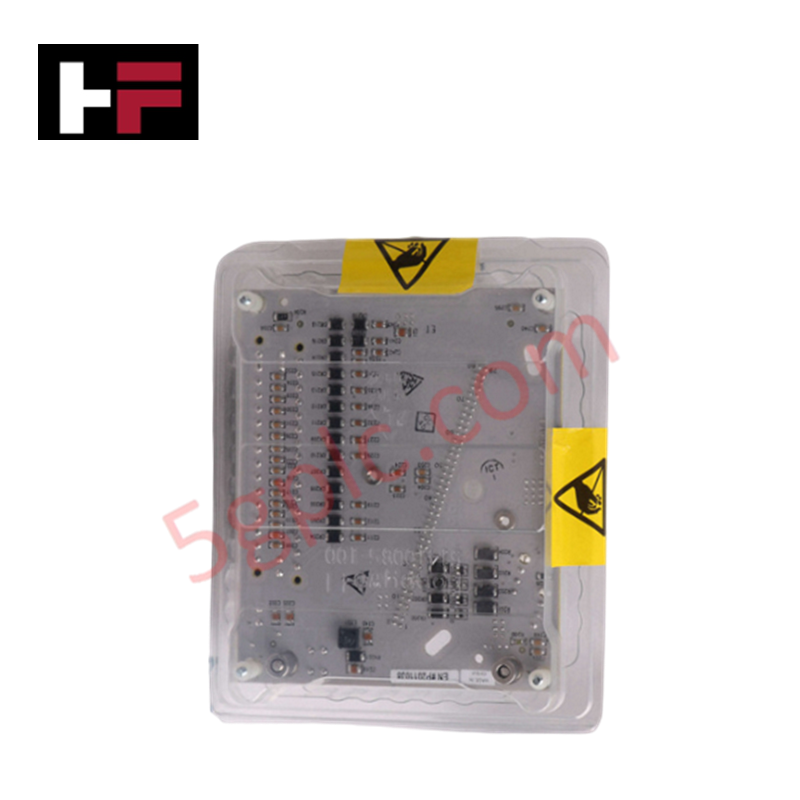
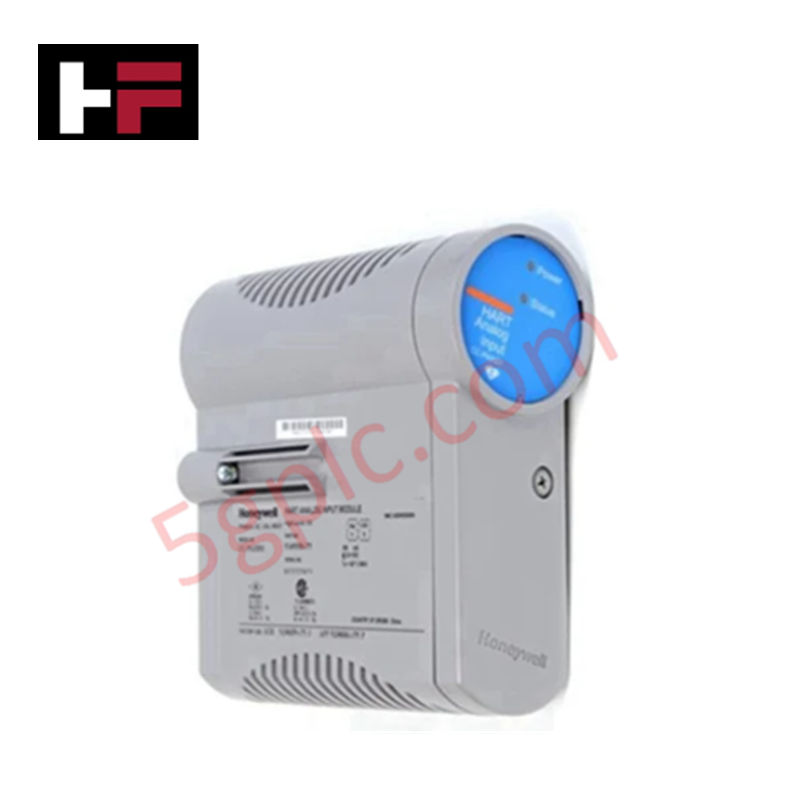
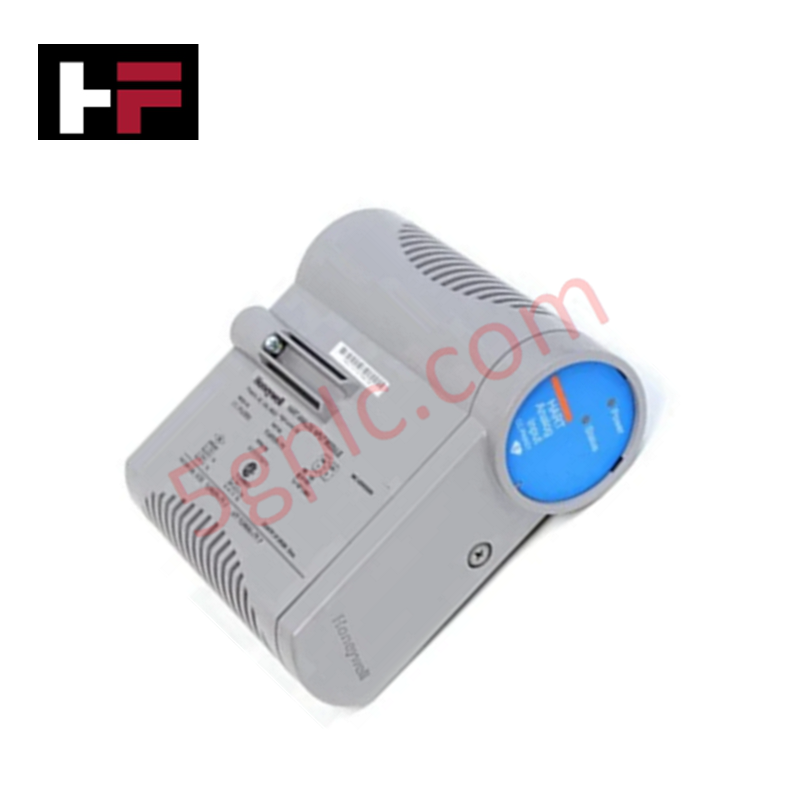
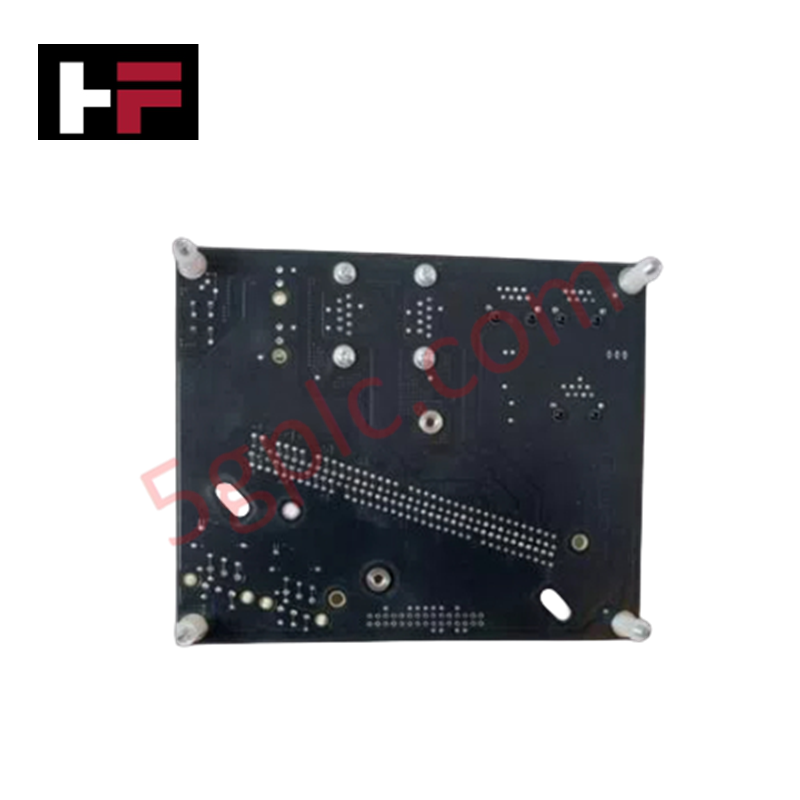
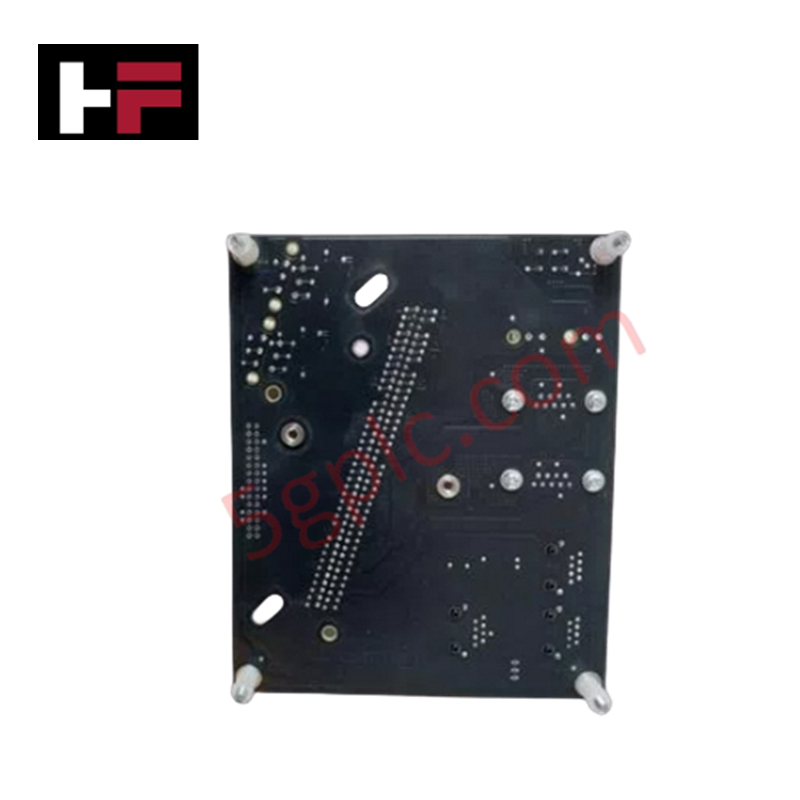
The Yokogawa AMM21 stands as a fundamental component within the CENTUM Distributed Control System (DCS) architecture. This high-precision analog module interfaces directly between field instrumentation and the control station, converting continuous physical signals into digital data for process logic execution. It handles critical parameters such as pressure, temperature, and flow with micro-volt accuracy. We provide this unit as 100% Brand New in its original packaging, ensuring your facility maintains the strict E-E-A-T standards required for mission-critical industrial automation.
Technical Specifications
The AMM21 utilizes a compact, rack-mounted form factor designed for high-density I/O nests.
-
Manufacturer: Yokogawa Electric Corporation
-
Model: AMM21
-
Product Type: Analog Module (Input/Output Mixed Support)
-
Application: CENTUM CS 1000 / CS 3000 / VP Systems
-
Mounting Type: Rack-mounted / I/O Nest installation
-
Isolation: Galvanic isolation between field and system bus
-
Weight: 0.30 lbs (Approx. 0.13 kg)
-
Signal Support: Standard industrial ranges (e.g., 4-20 mA, 1-5 V DC)
-
Condition: 100% Brand New and Original
Engineering Advantages
The AMM21 resolves several complex engineering challenges inherent in large-scale plant operations:
-
Superior Signal Integrity: Advanced internal shielding rejects high-frequency electromagnetic interference (EMI) commonly found near high-voltage motor starters and variable frequency drives (VFDs). This ensures the DCS receives a clean, uncorrupted signal for precise PID loop control.
-
Thermal Stability: The module utilizes low-drift components that maintain calibration accuracy across varying cabinet temperatures. This feature eliminates the need for frequent field re-calibration, even in environments with fluctuating ambient heat.
-
Galvanic Protection: Integrated isolation barriers prevent ground loops and protect the sensitive system backplane from field-side electrical surges. This architecture safeguards the central processor from catastrophic failure during external wiring faults.
-
High-Density Integration: The slim profile and low power consumption allow engineers to populate I/O nests at maximum density. This reduces the total number of required cabinets, lowering the overall hardware footprint and installation cost.
FAQs
Is the AMM21 compatible with the latest CENTUM VP systems?
Yes. The AMM21 maintains backward and forward compatibility within the Yokogawa CENTUM ecosystem. It integrates seamlessly with existing I/O nests, though you should verify your specific system revision and terminal board pairing for optimal performance.
What is the recommended installation procedure to prevent ESD damage?
Always use a grounded wrist strap when handling the AMM21. Insert the module firmly into the designated rack slot and secure the fastening screws to ensure a consistent ground path through the backplane.
How does the AMM21 handle signal loss or "out-of-range" events?
The module features diagnostic logic that detects open circuits or shorted lines. It immediately flags these conditions to the Human Interface Station (HIS), allowing operators to respond to sensor failures before they affect process safety.
Can I replace an existing AMM21 "hot" during operation?
While Yokogawa hardware supports high availability, you must follow specific "Hot Swap" protocols defined in your system manual. Ensure the control loop is in "Manual" or "OOS" (Out of Service) mode before removing the module to prevent process upsets.
Additional Information
- 100% Genuine Parts: All products are original and authentic, ensuring reliable industrial performance.
- 30-Day Refund Guarantee: Return any in-stock item within 30 days in original, unopened packaging for a full refund (excluding shipping and fees).
- 12-Month Warranty: Covers defects in materials or workmanship; excludes misuse, normal wear, or unauthorized modifications.
- Worldwide Shipping: We ship via USPS, UPS, FedEx, and DHL. Delivery times vary by country and may be subject to customs or import fees.
- Support & Contact: Technical and warranty assistance is available anytime. Contact us here: Contact.
- Purchase Guidance: Check product specifications and compatibility carefully before ordering to ensure proper application.


Tech & Buying Guide

Importance of Safety Barriers in PLC and DCS Control Systems

Static UPS vs. Rotary UPS: Technical Evaluation for Industrial Automation