










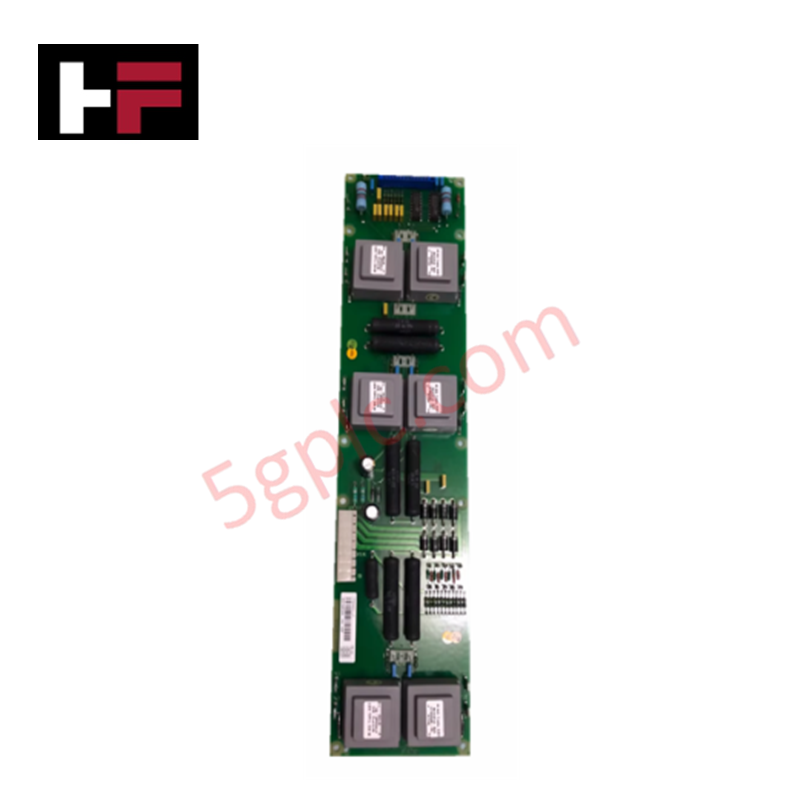
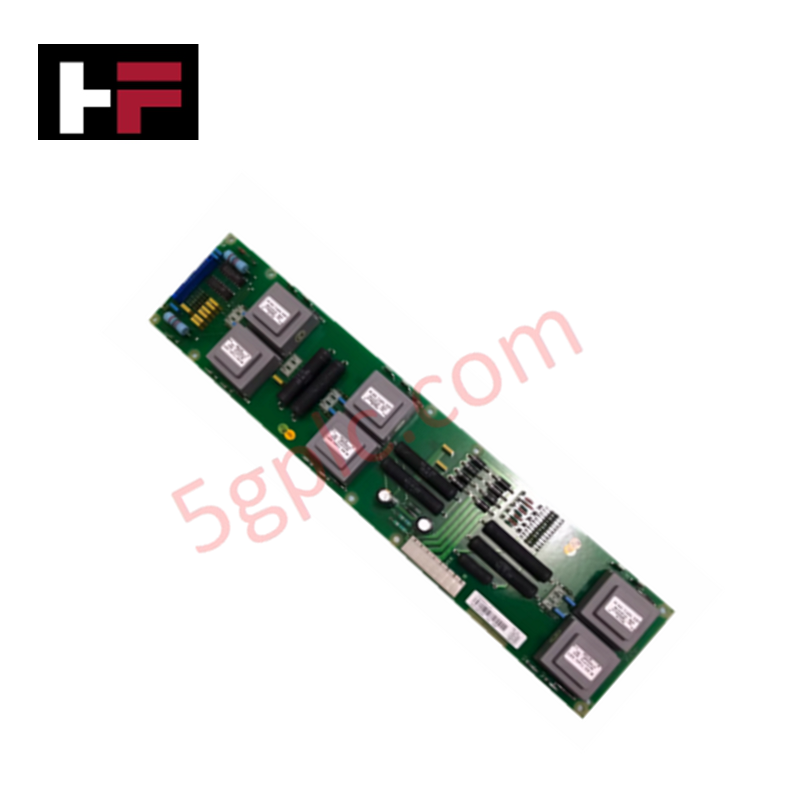
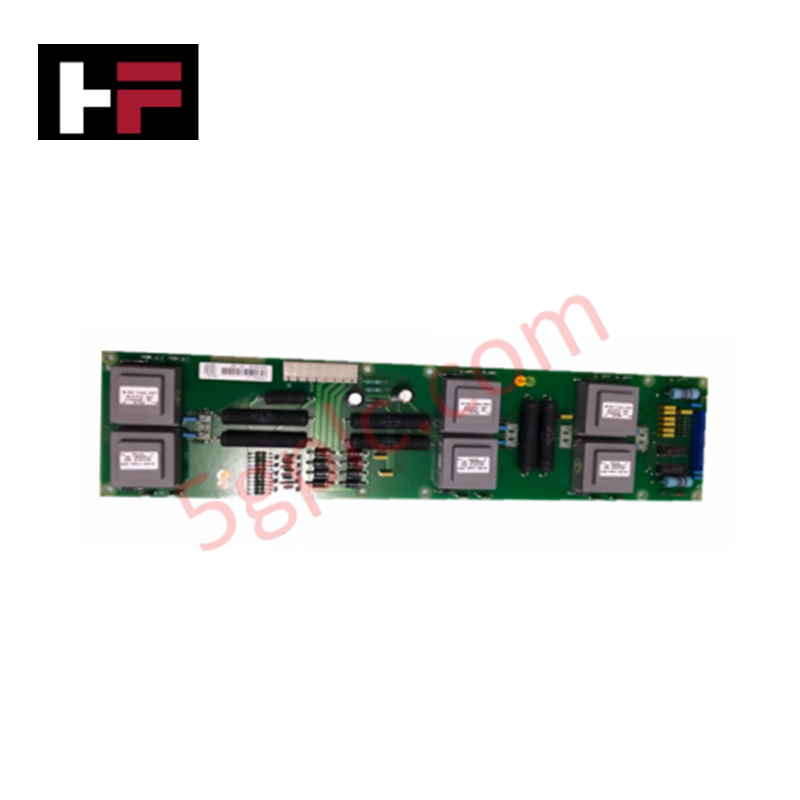
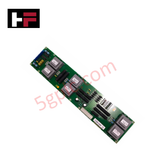
Product Details
The ABB YT204001-CA, also cataloged as the ABB YXA 116D Field Relay, operates as a dedicated hardware component for physical circuit switching and contact amplification within industrial control network platforms. The device executes binary command segregation by utilizing an electromagnetic coil to actuate internal mechanical contacts, isolating low-voltage controller outputs from field-side electrical loads.
Hardware Specifications
| Parameter | Specification |
|---|---|
| Model | YXA 116D |
| Part Number | YT204001-CA |
| Brand | ABB |
| Origin | Sweden |
| Weight | 0.018 kg |
| Dimensions | Manufacturer standard compact rail footprint |
| Operating Temp | -20 to +60 deg C |
| Power Consumption | Coil power status dependent |
| Contact Type | Field Relay Electromechanical |
| Current Rating | 10 A minimum continuous load capacity |
| Product Type | Interposing / Field Relay |
Backplane Bus Communication Velocity and Network Determinism
This field interface module integrates directly into the system architecture to optimize input/output density scaling without degrading backplane bus communication velocity. The localized electrical actuation ensures minimum propagation delay, supporting deterministic network execution across connected controller nodes. Firmware flash compatibility checks are verified via the host processing interface to prevent hardware mismatched states and preserve synchronous execution times during high-speed cyclical logic tasks.
Frequently Asked Questions
Q: Does this field relay module support hot-swap replacement while the subsystem is under electrical load?
A: No. Prior to module replacement, all connected field power sources and logic-side coil power loops must be fully isolated and de-energized to prevent localized electrical arcing or backplane voltage transients.
Q: What baseline maintenance parameter must be verified for the contact interface?
A: The contact system requires validation of the minimum 10 A continuous current rating profile. Intermittent operation below the specified baseline load can prevent correct mechanical wetting action, leading to resistive oxide buildup over long-term operation.
Field Installation Guidelines
- Mount the assembly on standard symmetric DIN rail infrastructure, ensuring structural locking clips are fully engaged to maintain mechanical stability under high-vibration conditions.
- Route low-voltage DC control signal lines and high-voltage field power distribution lines in separate, non-adjacent physical wiring trays to mitigate electromagnetic cross-talk.
- Terminate all conductor links utilizing calibrated crimping tools and correct ferrule sizes, tightening terminal block screws to standard industrial torque specifications.
- Establish a low-impedance connection between the mounting rail framework and the central plant instrumentation earth grid to minimize common-mode noise propagation.
Additional Information
- 100% Genuine Parts: All products are original and authentic, ensuring reliable industrial performance.
- 30-Day Refund Guarantee: Return any in-stock item within 30 days in original, unopened packaging for a full refund (excluding shipping and fees).
- 12-Month Warranty: Covers defects in materials or workmanship; excludes misuse, normal wear, or unauthorized modifications.
- Worldwide Shipping: We ship via USPS, UPS, FedEx, and DHL. Delivery times vary by country and may be subject to customs or import fees.
- Support & Contact: Technical and warranty assistance is available anytime. Contact us here: Contact.
- Purchase Guidance: Check product specifications and compatibility carefully before ordering to ensure proper application.


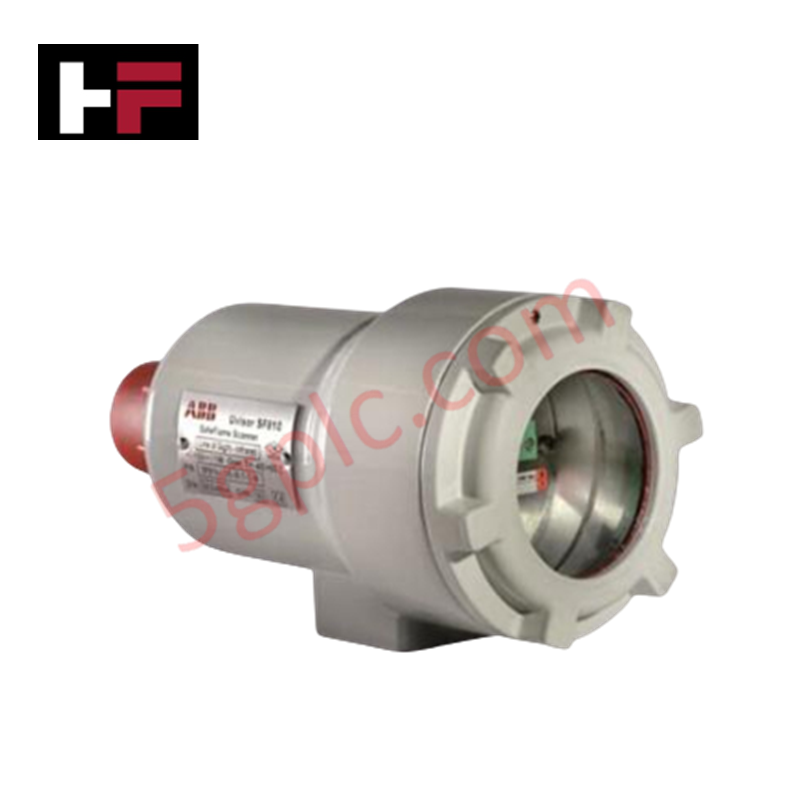


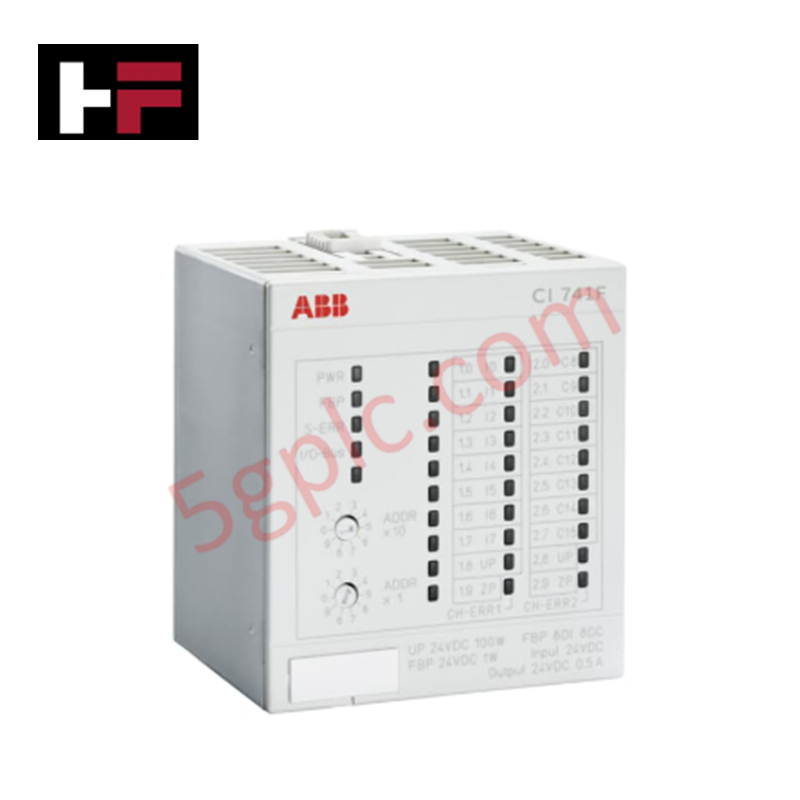


Tech & Buying Guide

Demystifying the DDE Protocol in Legacy Industrial Automation Systems
Modern control systems rely heavily on seamless interprocess communication to exchange operational data between software programs. Microsoft first introduced the Dynamic Data Exchange (DDE) protocol in 1987 to enable real-time data sharing. In factory automation, DDE served as an early bridge between control software and Windows desktop applications. Therefore, understanding DDE mechanics provides crucial insights into how legacy industrial networks established software-level connectivity.

Demystifying CPU Communication Ports in Siemens PLC Architectures
Industrial automation relies heavily on robust data exchange between devices. Without seamless connectivity, field instruments, network switches, human-machine interfaces, and programmable logic controllers cannot coordinate effectively. Therefore, understanding the various CPU communication ports available in Siemens hardware ensures efficient factory automation design and seamless system integration.

Mastering the Siemens PLC Scan Cycle: How the CPU Executes Automation Programs
Industrial automation relies heavily on programmable logic controllers (PLCs) to manage complex manufacturing processes. Many engineers dive straight into programming without mastering the underlying architecture. However, understanding how a PLC CPU executes a program ensures reliable system design. Therefore, mastering the scan cycle optimizes both performance and troubleshooting in modern control systems.