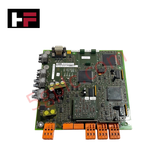
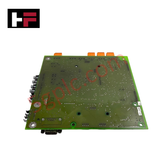
Product Details
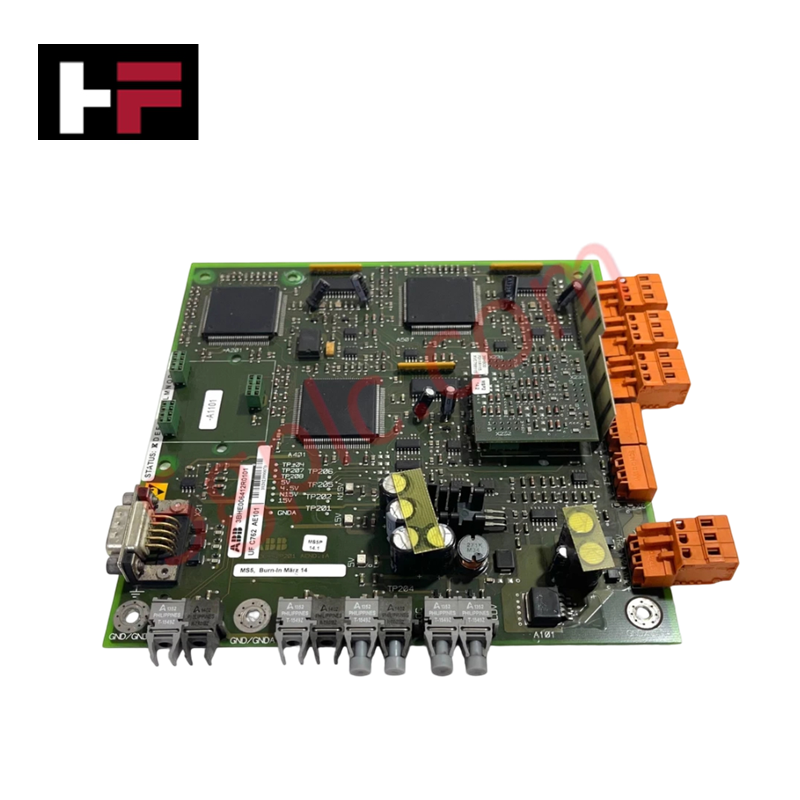
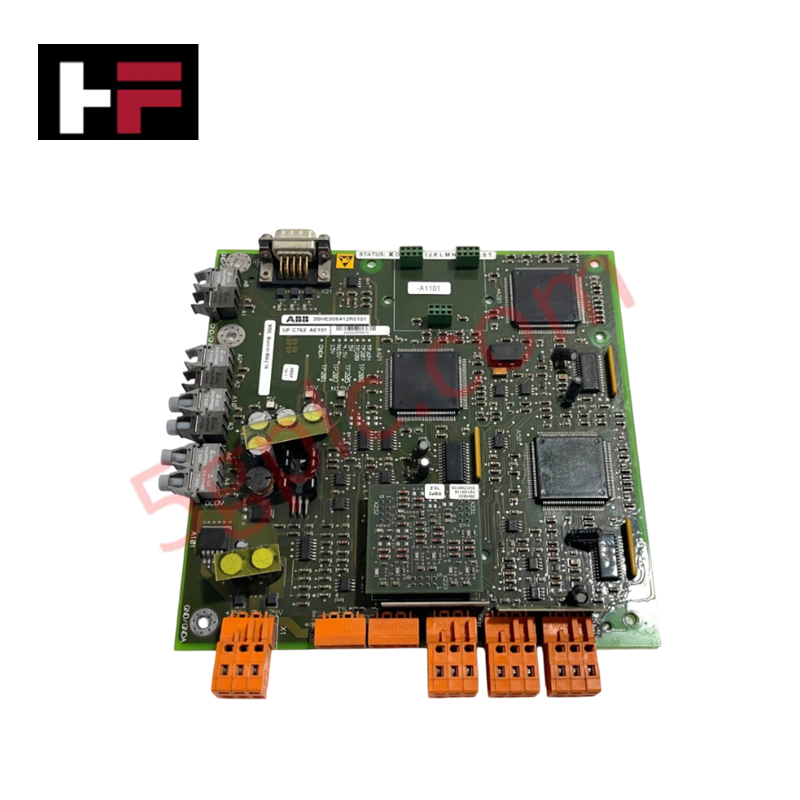
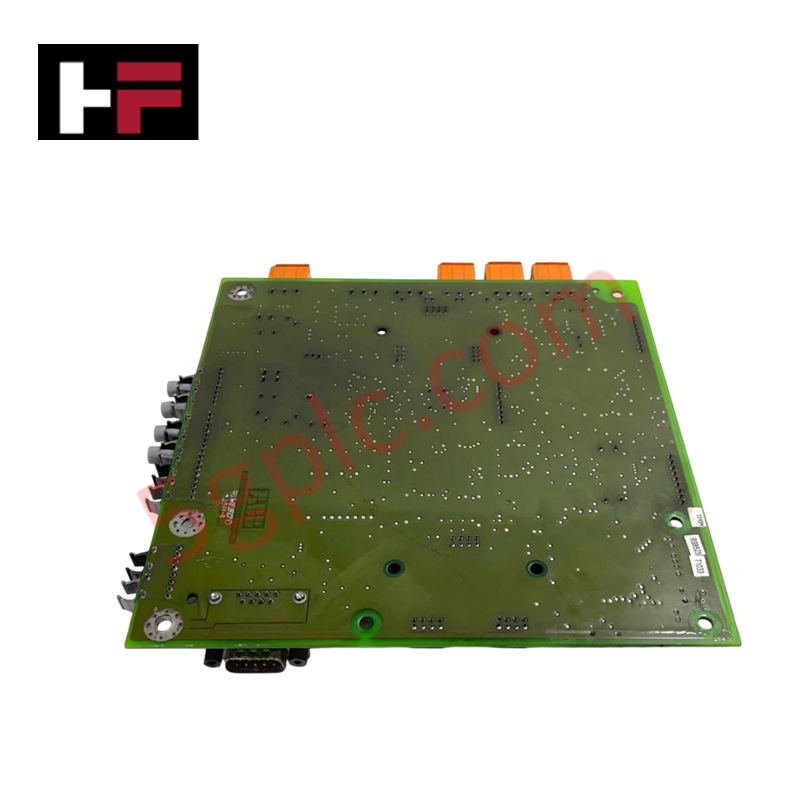
Configured for signal processing and voltage monitoring within control drive systems, the ABB 3BHE006412R0101 (UF C762 AE101) serves as the primary CVMI circuit board utilized to execute control and monitoring tasks across ABB drive platforms.
Hardware Specifications
| Parameter | Specification |
|---|---|
| Model | UF C762 AE101 |
| Brand | ABB |
| Part Number | 3BHE006412R0101 |
| Weight | 0.3 kg |
| Core Function | CVMI Signal Processing |
Backplane bus communication velocity and firmware compatibility
The UF C762 AE101 functions as a specialized interface for CVMI (Control Voltage Measurement Interface) operations. This board facilitates high-velocity data exchange with the main controller via the backplane, allowing for real-time monitoring of voltage vectors and internal control bus states. The board design incorporates specific signal paths for measuring drive-side voltage, supporting deterministic communication cycles required for high-speed regulation loops. Users must ensure that the host controller firmware supports the specific CVMI revision of the UF C762 AE101 to ensure accurate data packet interpretation during runtime. Note that this module does not include SVA (Signal Voltage Analysis) or SCA (Signal Control Analysis) subprints; these must be provided via separate interface modules or integrated backplane segments.
Frequently Asked Questions
Q: Can this CVMI board be installed without the SVA and SCA subprints?
A: Yes, but the system must be configured to operate without these specific sub-functions. Incomplete configurations may result in "Missing Module" diagnostic errors if the system firmware expects the presence of SVA/SCA components.
Q: Is this board susceptible to damage from electrostatic discharge during installation?
A: Yes. All internal circuit boards in the ABB drive ecosystem contain sensitive CMOS components. Proper anti-static protocols, including the use of grounded wrist straps, are required during all handling procedures.
Field Installation Guidelines
- Physical Mounting: Ensure the board is seated firmly in the appropriate slot. Apply pressure evenly across the board face to ensure pins mate correctly with the backplane connectors.
- Component Verification: Confirm that the board version matches the requirements of the drive controller software before power-up.
- Environmental Control: Maintain the control cabinet environment within specified humidity and temperature limits to prevent corrosion on the coated PCB surface.
- Grounding: Ensure the control chassis is effectively connected to the facility protective earth (PE) to minimize common-mode noise that may affect high-precision voltage measurements.
- Inspection: Inspect all board connectors for debris or oxidation before installation. If the board is used as a replacement for an existing unit, verify that all external wiring harnesses are correctly re-seated after installation.
Additional Information
- 100% Genuine Parts: All products are original and authentic, ensuring reliable industrial performance.
- 30-Day Refund Guarantee: Return any in-stock item within 30 days in original, unopened packaging for a full refund (excluding shipping and fees).
- 12-Month Warranty: Covers defects in materials or workmanship; excludes misuse, normal wear, or unauthorized modifications.
- Worldwide Shipping: We ship via USPS, UPS, FedEx, and DHL. Delivery times vary by country and may be subject to customs or import fees.
- Support & Contact: Technical and warranty assistance is available anytime. Contact us here: Contact.
- Purchase Guidance: Check product specifications and compatibility carefully before ordering to ensure proper application.






Tech & Buying Guide

Importance of Safety Barriers in PLC and DCS Control Systems

Static UPS vs. Rotary UPS: Technical Evaluation for Industrial Automation