










Product Details
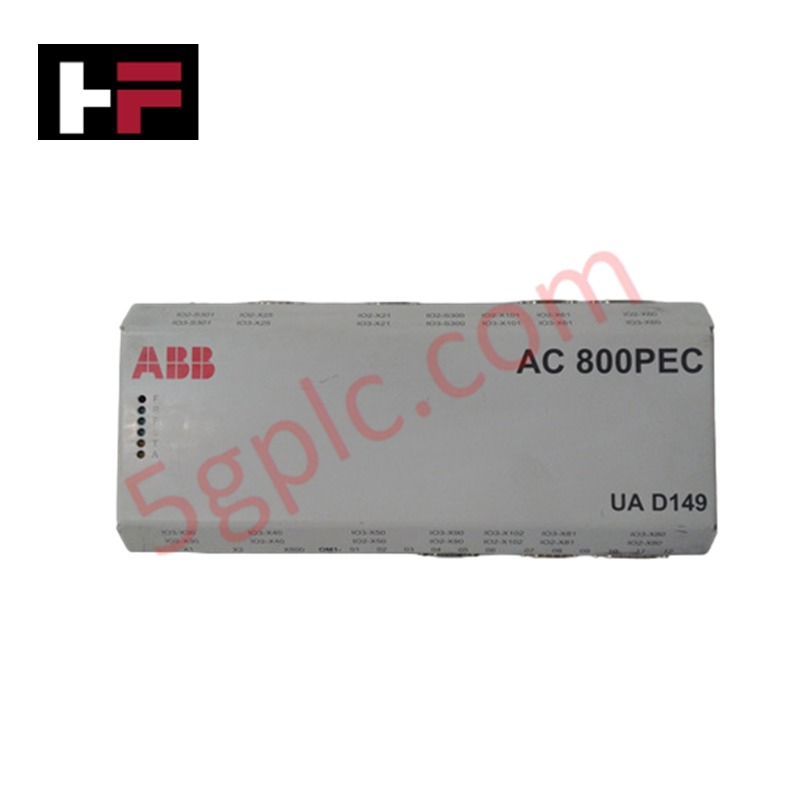
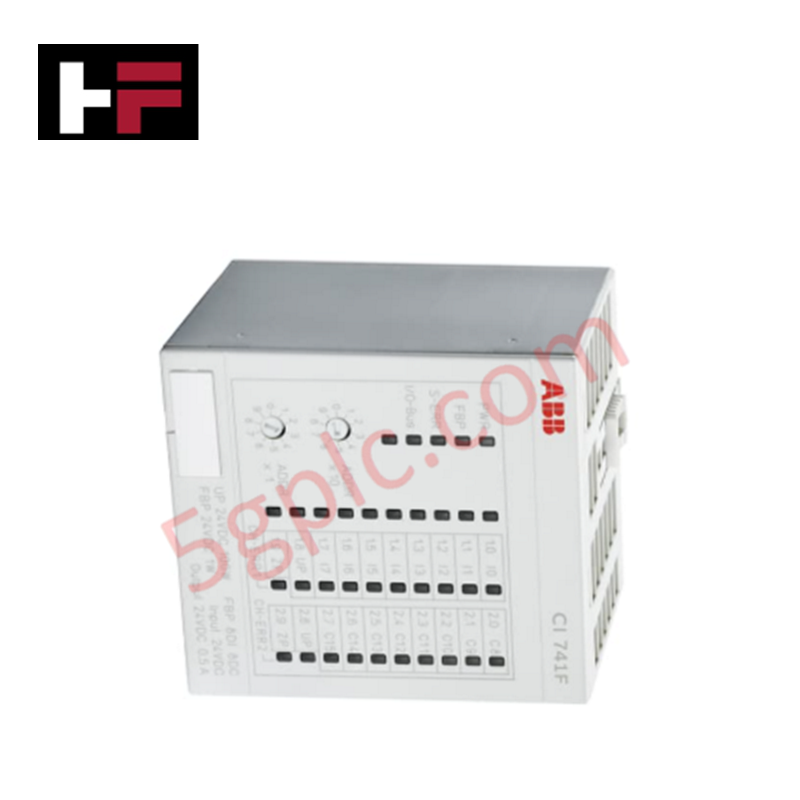
Configured for power electronics and process control in AC 800PEC systems, the ABB UA D149 (3BHE014135R0011 Controller Module) provides direct physical execution for high-speed control tasks.
Hardware Specifications
| Parameter | Specification |
|---|---|
| Model | UA D149 |
| Brand | ABB |
| Part Number | 3BHE014135R0011 |
| Weight | 0.45 kg |
| Dimensions | 120 mm x 75 mm x 90 mm |
| Operating Temp | -25 deg C to +70 deg C |
| Power Consumption | Max 15 W |
| Input Voltage | 24 V DC |
Profinet / EtherNet/IP deterministic networks
The UAD149 module governs backplane bus communication velocity to ensure deterministic signal processing within the AC 800PEC framework. It utilizes the dedicated PEC bus interface with a specified 10 ms latency to maintain synchronization across the control network. Firmware flash compatibility is managed via the ABB automation software suite; operators must verify that the controller firmware version aligns with the hardware revision to maintain I/O density scaling efficiency. High-speed tasks are processed with a cycle time of 100 µs, supported by 64 MB of onboard RAM, facilitating seamless data exchange over Modbus TCP at 100 Mbps.
Frequently Asked Questions
Q: Is the UAD149 controller module capable of hot-swapping?
A: No. Hot-swapping is not supported. The module must be de-energized by removing the 24 V DC supply and disconnecting from the PEC bus before installation or removal to prevent electrical damage to the backplane interface.
Q: What is the requirement for the physical mounting of this module?
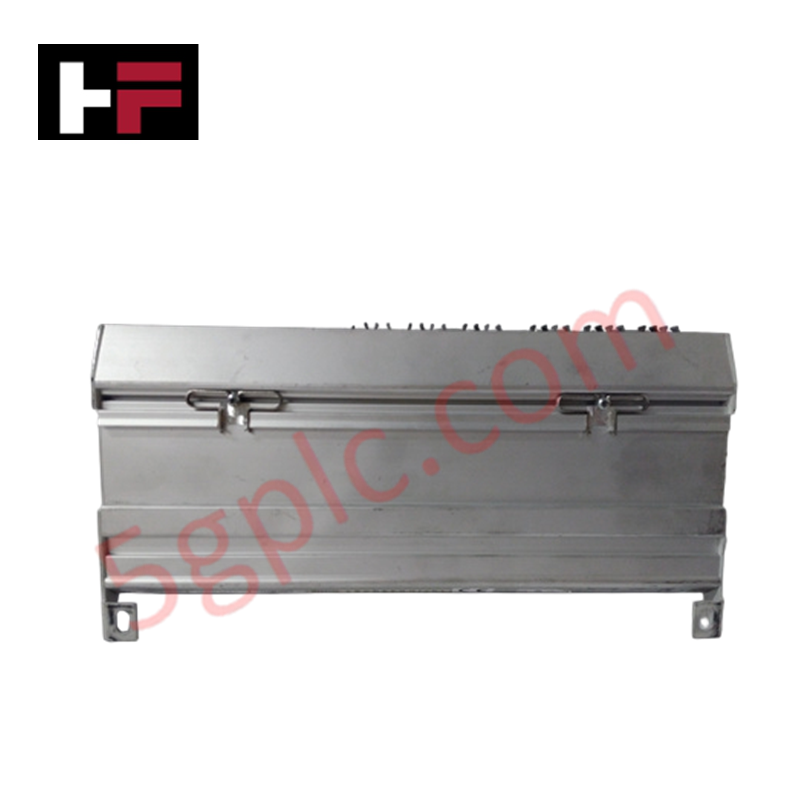
A: The module is designed for mounting on a standard 35 mm DIN rail. Ensure the rail is properly grounded and the module is locked into position to maintain mechanical integrity and electrical contact with the mounting surface.
Field Installation Guidelines
- Mounting: Snap the module onto the 35 mm DIN rail. Ensure the locking mechanism is fully engaged to prevent dislodgement under high-vibration conditions common in power electronic assemblies.
- Grounding: Establish a low-impedance connection to the cabinet common ground. This is mandatory for electromagnetic compatibility (EMC) and to protect the digital I/O channels from transient noise.
- Wiring: Maintain a strict separation between the 24 V DC power supply lines, communication cables, and high-power conductors. Use shielded twisted-pair cables for Modbus TCP connectivity to minimize crosstalk.
- Thermal Management: While the module is rated for operation up to 70 deg C, maintain adequate clearance above and below the unit on the DIN rail to allow for natural convection cooling.
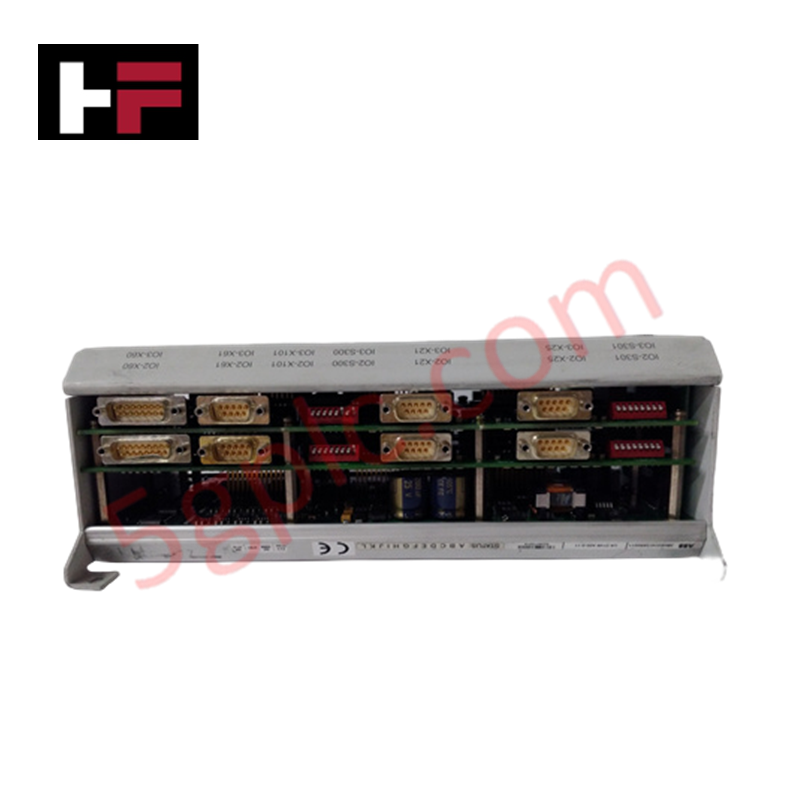
- Inspection: Before commissioning, verify the integrity of the 32 digital input and 16 digital output terminals. Inspect the DIN rail for signs of oxidation that could compromise the physical ground reference.
Additional Information
- 100% Genuine Parts: All products are original and authentic, ensuring reliable industrial performance.
- 30-Day Refund Guarantee: Return any in-stock item within 30 days in original, unopened packaging for a full refund (excluding shipping and fees).
- 12-Month Warranty: Covers defects in materials or workmanship; excludes misuse, normal wear, or unauthorized modifications.
- Worldwide Shipping: We ship via USPS, UPS, FedEx, and DHL. Delivery times vary by country and may be subject to customs or import fees.
- Support & Contact: Technical and warranty assistance is available anytime. Contact us here: Contact.
- Purchase Guidance: Check product specifications and compatibility carefully before ordering to ensure proper application.






Tech & Buying Guide
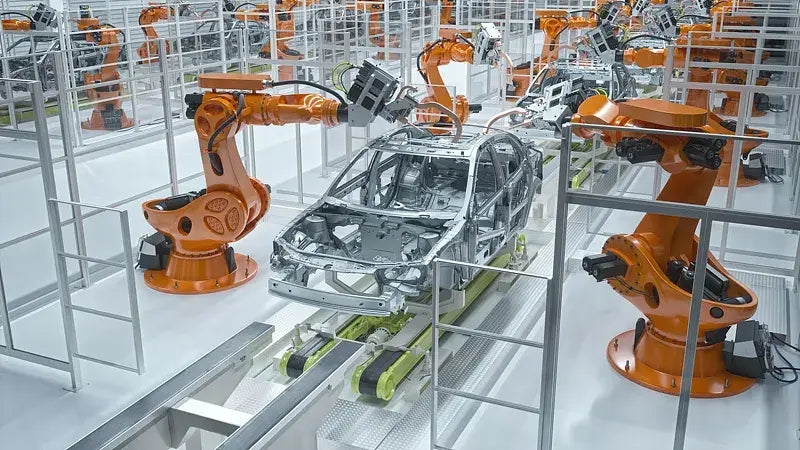
Safety Relays in Industrial Automation: Fundamentals, Design Standards, and Fail-Safe Architecture
Safety relays form the bedrock of functional safety in modern factory automation, preventing catastrophic equipment failure and protecting plant personnel. While standard electromechanical relays handle basic load switching, they lack the redundant diagnostics required for high-risk industrial environments. Modern industrial automation platforms—including programmable logic controllers (PLCs) and distributed control systems (DCS)—rely on specialized safety relays to monitor field devices and isolate hazards instantly.

Voice-Activated Industrial Automation: Integrating Speech Control into PLC and DCS Architectures
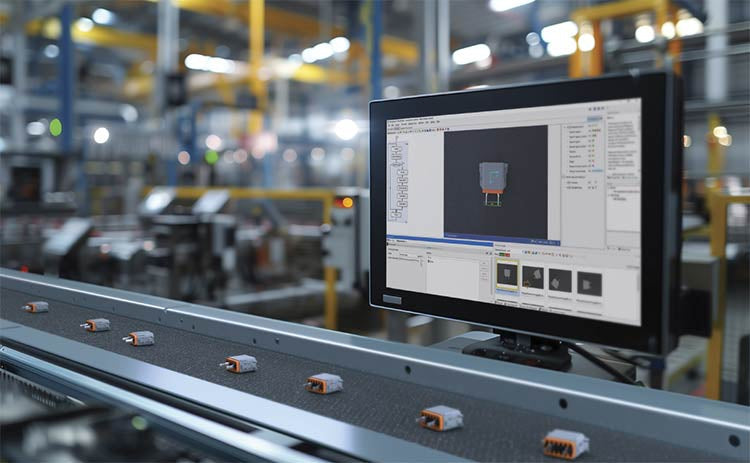
Industrial automation integrates speech recognition, IIoT protocols, and NLP with PLCs and DCS to streamline operations. By leveraging advanced edge computing, engineers enable real-time, hands-free control—allowing personnel to manage smart factory processes safely away from hazardous equipment.
Modern Industrial Automation: Transforming Safety and Efficiency in Mining Operations
Industrial automation has evolved from a simple manufacturing tool into the operational backbone of high-risk sectors. Modern mining operations increasingly rely on advanced control systems, programmable logic controllers (PLCs), distributed control systems (DCS), and artificial intelligence to address deep-underground hazards. By replacing manual labor in high-risk zones, factory automation technologies protect personnel while significantly boosting operational throughput.