










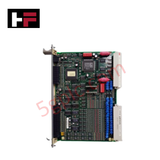
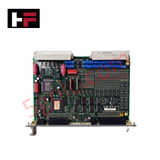
Product Details
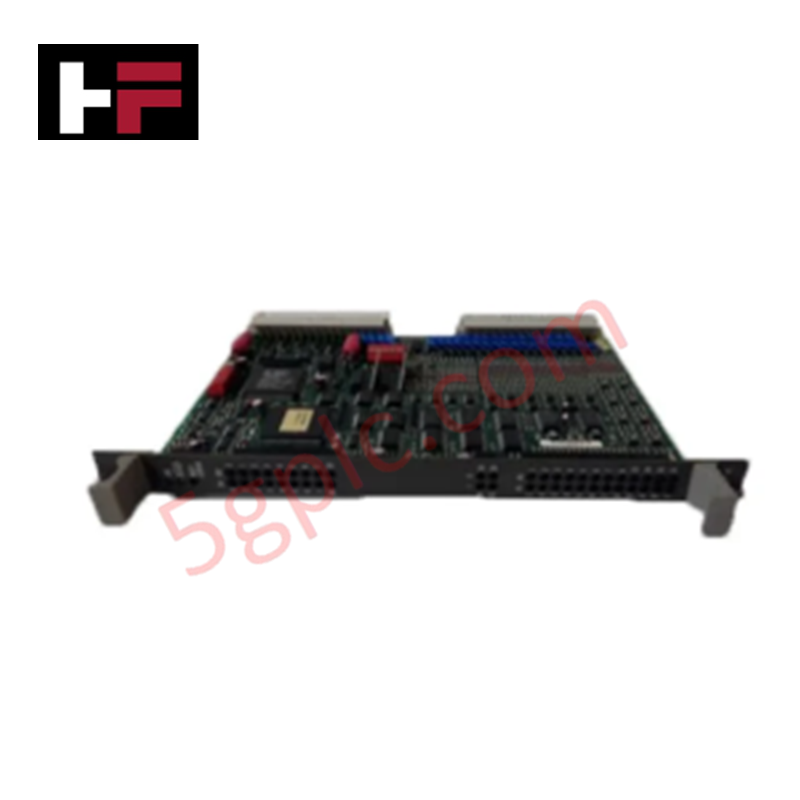
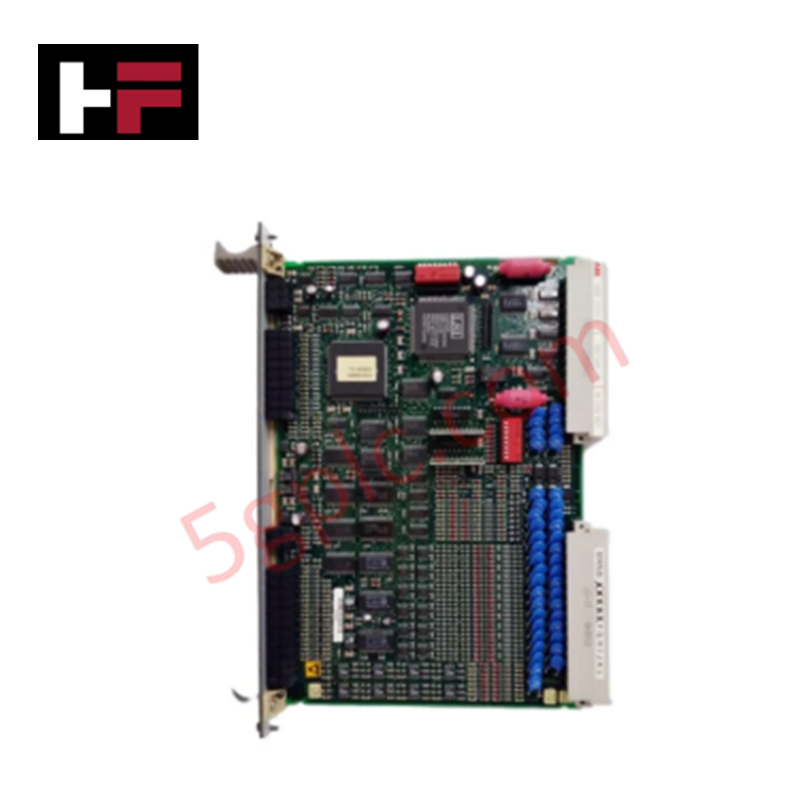
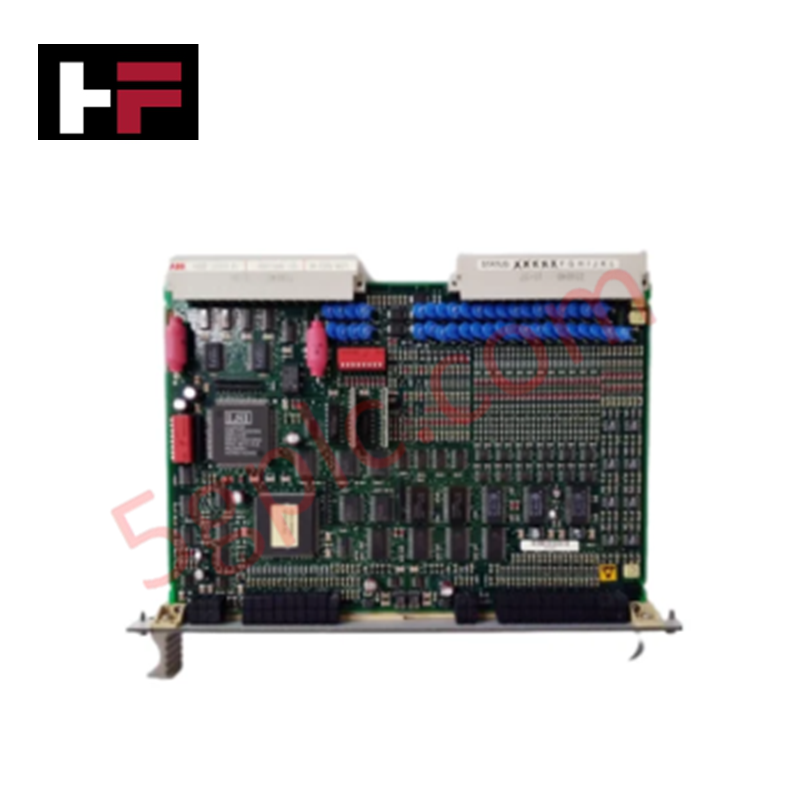
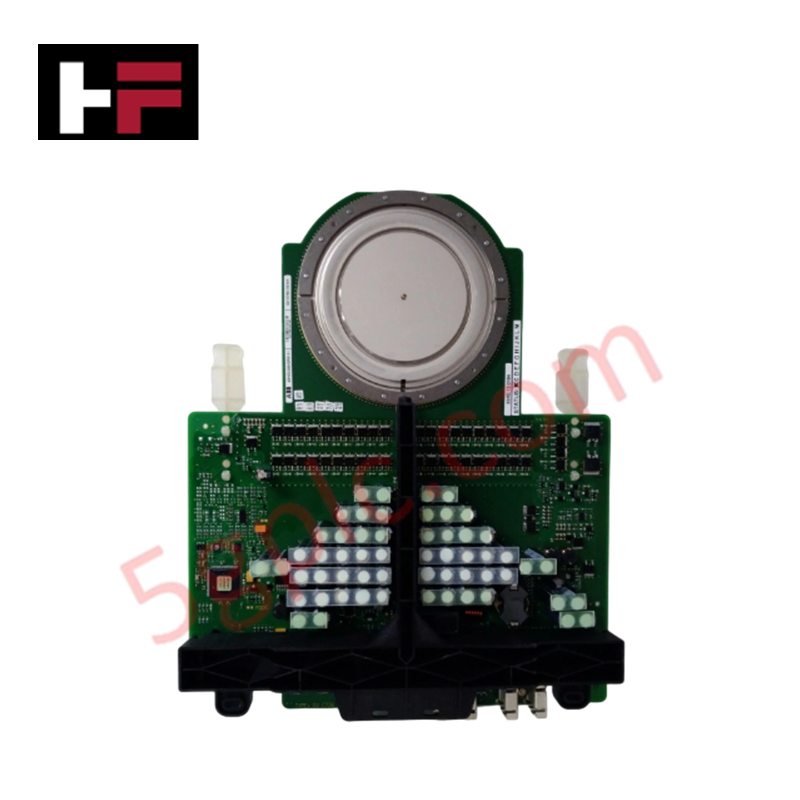
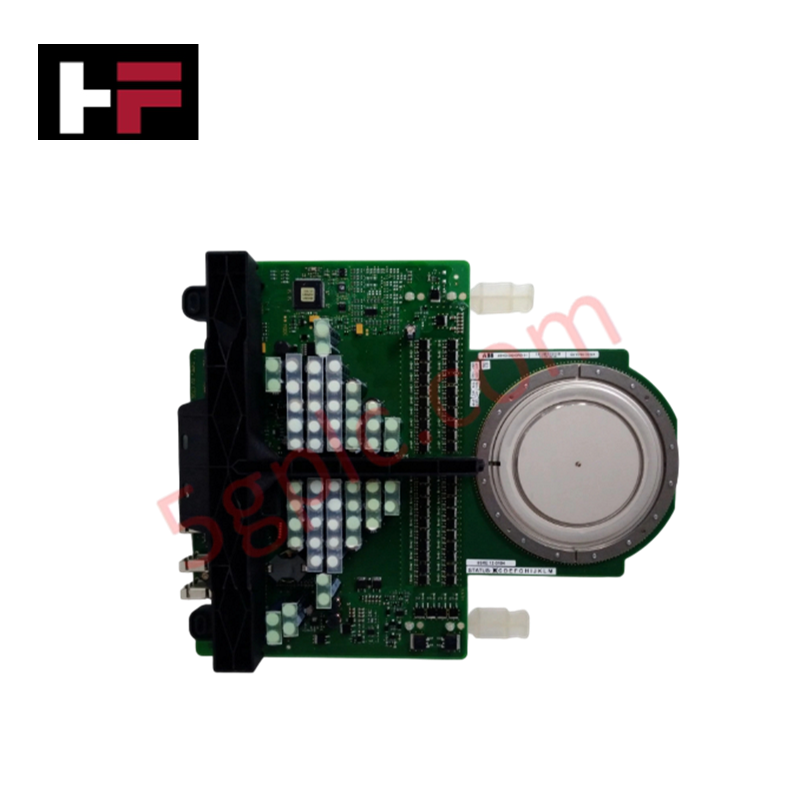
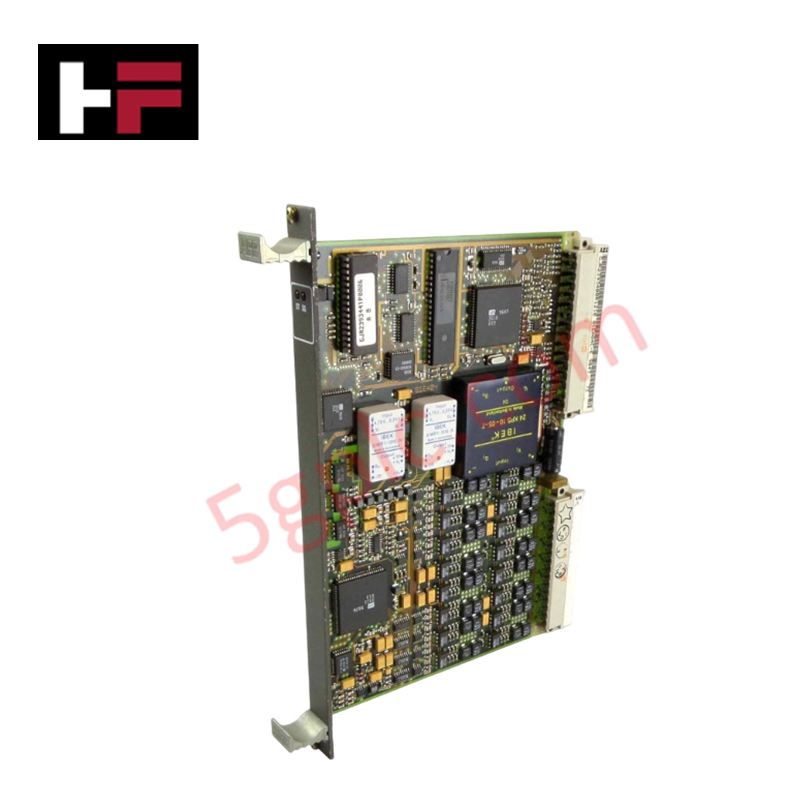
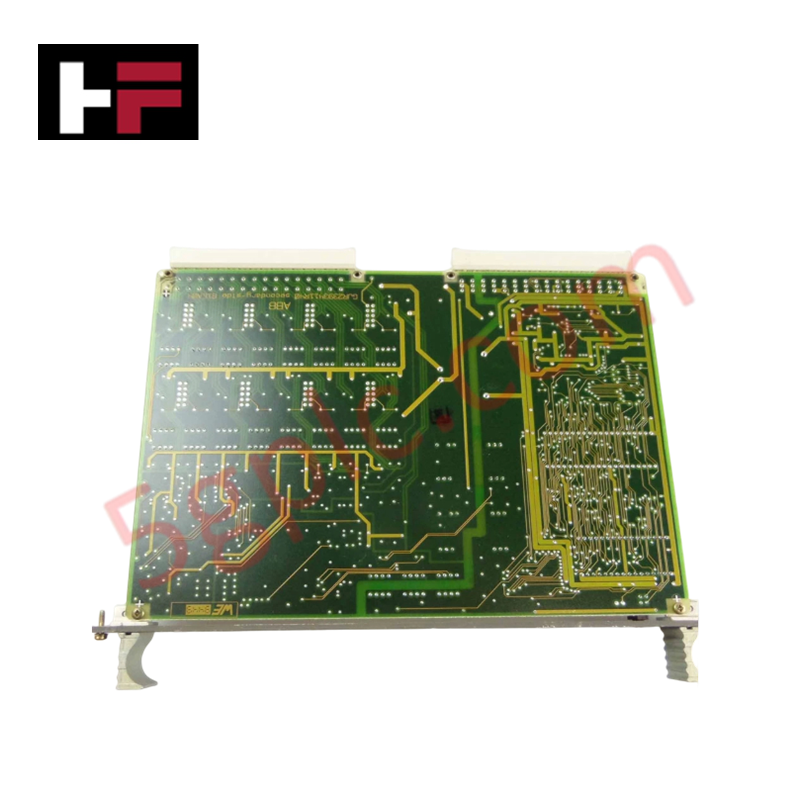
The ABB UA C326 AE01 HIEE401481R0001, also cataloged as the UA C326 AE01 Analog/Digital I/O Card, operates as a dedicated hardware component for mixed analog and digital signal processing within industrial control systems. The board utilizes an internal 32-bit microprocessor to arbitrate concurrent physical state updates across discrete and continuous voltage/current channels, converting localized sensor currents and actuator potentials into synchronized system memory matrices. It provides galvanic separation to protect the low-voltage internal computation logic from high-frequency noise transients present on the field interface terminals.
Hardware Specifications
| Parameter | Specification |
|---|---|
| Model | UA C326 AE01 HIEE401481R0001 |
| Brand | ABB |
| Origin | Switzerland |
| Weight | 0.45 kg |
| Dimensions | 90 x 30 x 29 mm |
| Operating Temp | -20 to +60 deg C |
| Power Consumption | 5 W |
| Power Supply | 24 VDC |
| Storage Temperature | -40 to +80 deg C |
| Protection Class | IP67 |
| Analog Interface | 16 x analog inputs, 8 x analog outputs |
| Digital Interface | 16 x digital inputs, 8 x digital outputs |
Profinet / EtherNet/IP Deterministic Networks
The onboard 32-bit microprocessor orchestrates internal logic updates that map to high-speed communication cards. In applications connected via Profinet / EtherNet/IP deterministic networks, system parameters must be matched to align the cyclic data transmission frame timing with the mixed analog and digital scan periods of the board. This configuration profile mitigates frame dropouts on the backplane communication link and preserves real-time response consistency during periods of heightened field-side channel transition frequency.
Frequently Asked Questions
Q: What are the hot-swap constraints when deploying the HIEE401481R0001 card under 24 VDC supply voltage?
A: This module is restricted from live insertion or extraction while the 24 VDC system power rail or active analog loops are energized. Performing a hot-swap maneuver can induce electrical arc degradation across high-density pin connections and introduce logic errors into adjacent backplane cards.
Q: How does the IP67 protection class factor into the installation location constraints?
A: The IP67 rating allows structural protection against dust entry and temporary liquid immersion. However, cable ingress seals and terminal connection caps must be properly torqued to the manufacturing specification to maintain this environmental seal at the 90 x 30 x 29 mm physical housing boundaries.
Q: How should unused analog and digital input paths be terminated on the board terminal interface?
A: Unused analog inputs should be bridged or anchored to a reference common point to isolate the internal high-speed A/D converter channels from picking up electromagnetic induction, while unused digital inputs must remain disconnected.
Field Installation Guidelines
Mount the 0.45 kg unit securely onto an earth-grounded steel DIN rail within an industrial enclosure. Verify that the main chassis grounding tab is bonded directly to the primary station grounding bus via a low-impedance copper wire. Route all low-voltage analog instrument cables through dedicated, shielded wire trays separate from high-current AC motor and power distribution conductors to suppress external magnetic cross-talk. All field terminations must adhere strictly to specified terminal tightening values to prevent loose contacts during continuous mechanical vibration. Ensure clearance zones surrounding the card housing remain unobstructed to prevent localized heat accumulation within the -20 to +60 deg C operating threshold.
Additional Information
- 100% Genuine Parts: All products are original and authentic, ensuring reliable industrial performance.
- 30-Day Refund Guarantee: Return any in-stock item within 30 days in original, unopened packaging for a full refund (excluding shipping and fees).
- 12-Month Warranty: Covers defects in materials or workmanship; excludes misuse, normal wear, or unauthorized modifications.
- Worldwide Shipping: We ship via USPS, UPS, FedEx, and DHL. Delivery times vary by country and may be subject to customs or import fees.
- Support & Contact: Technical and warranty assistance is available anytime. Contact us here: Contact.
- Purchase Guidance: Check product specifications and compatibility carefully before ordering to ensure proper application.
Tech & Buying Guide

Navigating Industrial Automation Failures: Types, Causes, and Mitigation Strategies
Modern manufacturing relies heavily on automated control systems to maximize throughput and maintain product quality. However, unplanned downtime in industrial automation can cost facility operators thousands of dollars per hour. Understanding how programmable logic controllers (PLCs), distributed control systems (DCS), and field instrumentation fail empowers engineering teams to implement robust preventive maintenance strategies.
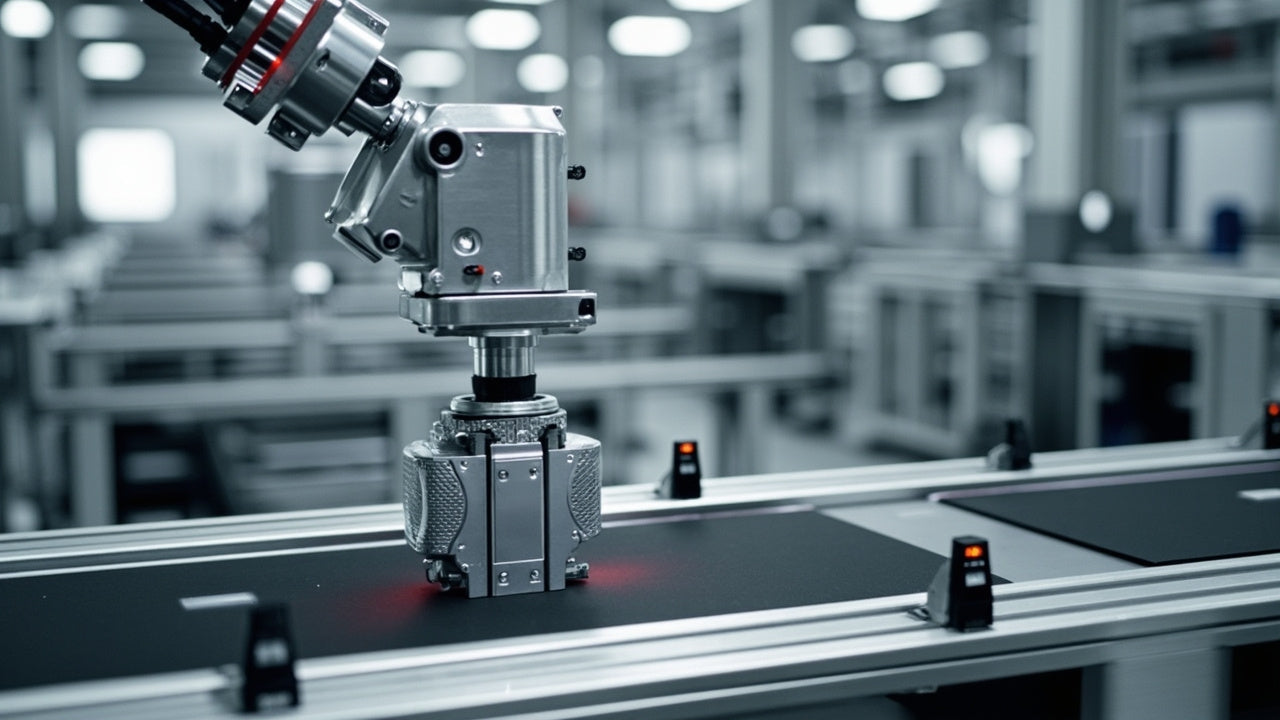
Essential Motion Control Commands: A Practical Guide for Engineers
Automation engineers often rely on precise position and speed control to drive modern factory machinery. Modern industrial systems, such as Programmable Logic Controllers (PLCs) and Distributed Control Systems (DCS), depend heavily on standardized motion instructions. Mastering these commands ensures operational safety, protects mechanical components, and optimizes cycle times across production lines.

The Role of Intrinsic Safety Barriers in PLC and DCS Architectures
Implementing robust protection in hazardous industrial environments represents a fundamental safety requirement in factory automation. Process facilities often handle volatile gases, dusts, and chemical agents that pose significant combustion risks. Consequently, control system engineers must deploy energy-limiting interfaces to isolate safe-area control cabinets from hazardous-area field instrumentation. This article examines the function, selection, and electrical principles of intrinsic safety barriers within modern PLC and DCS networks.