










Product Details
Description
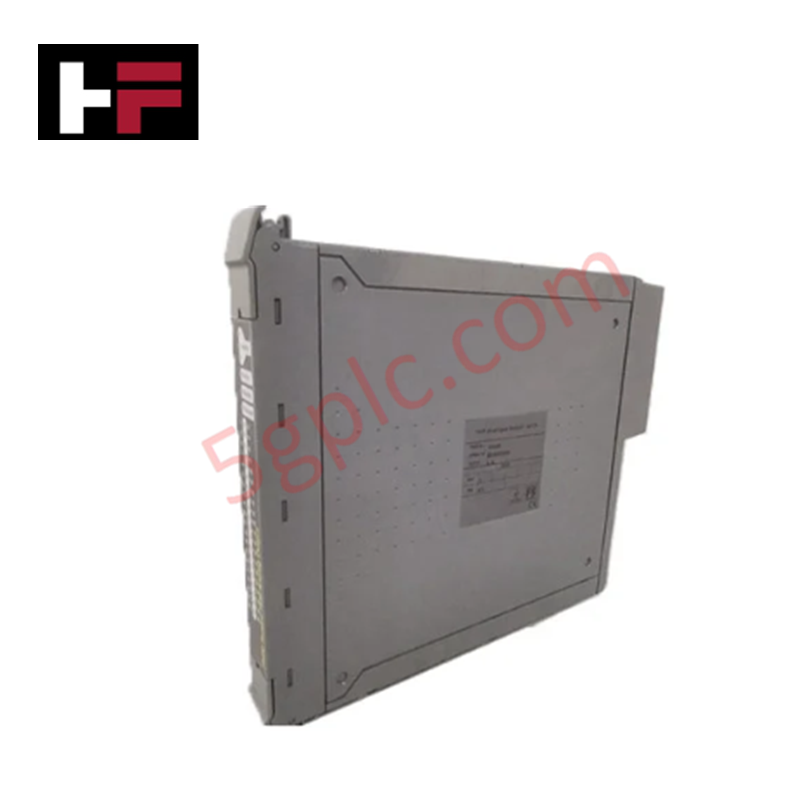
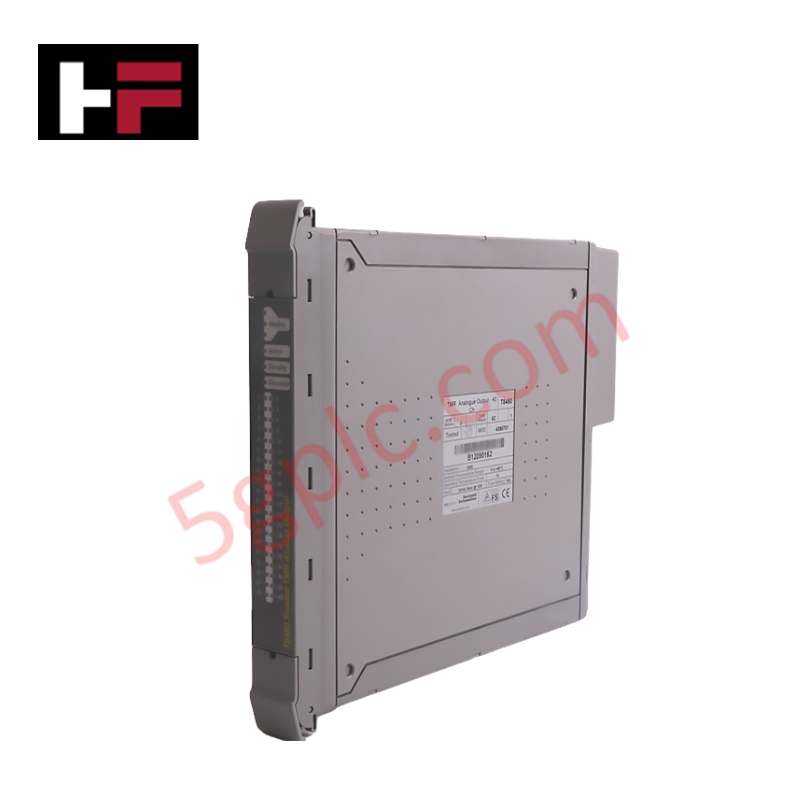
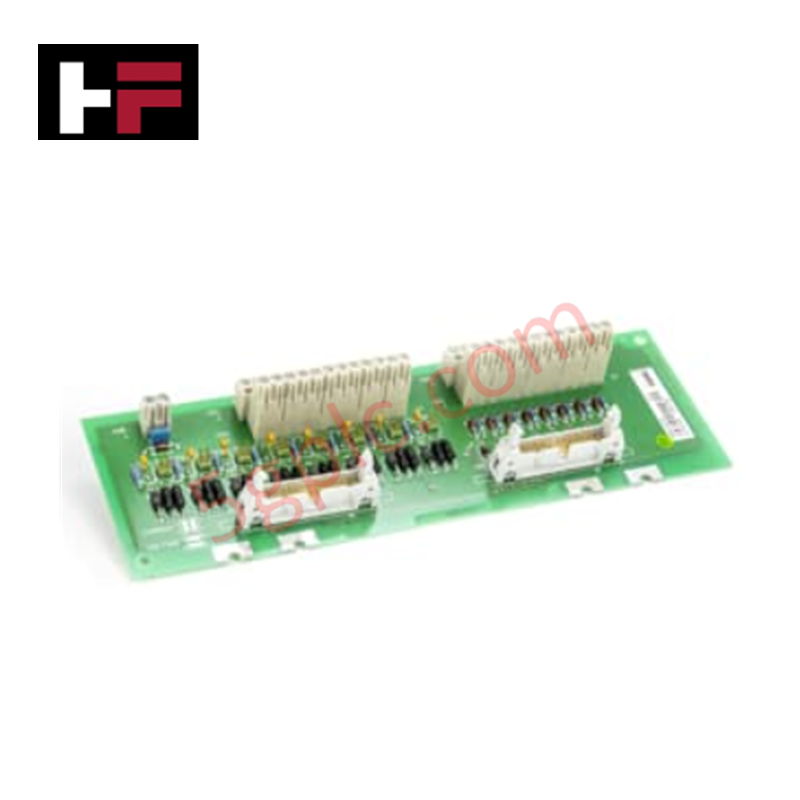
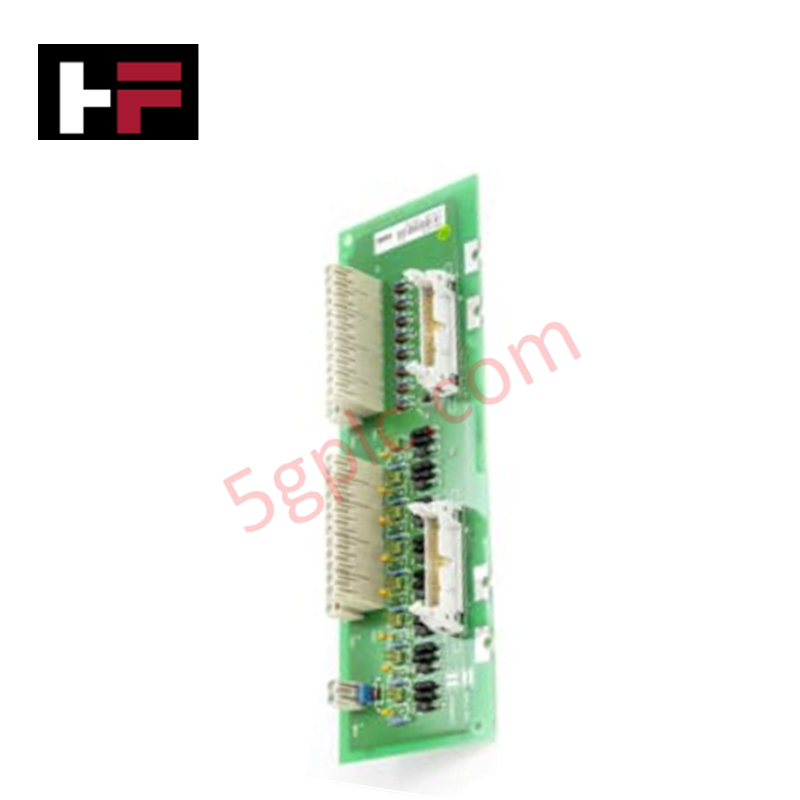
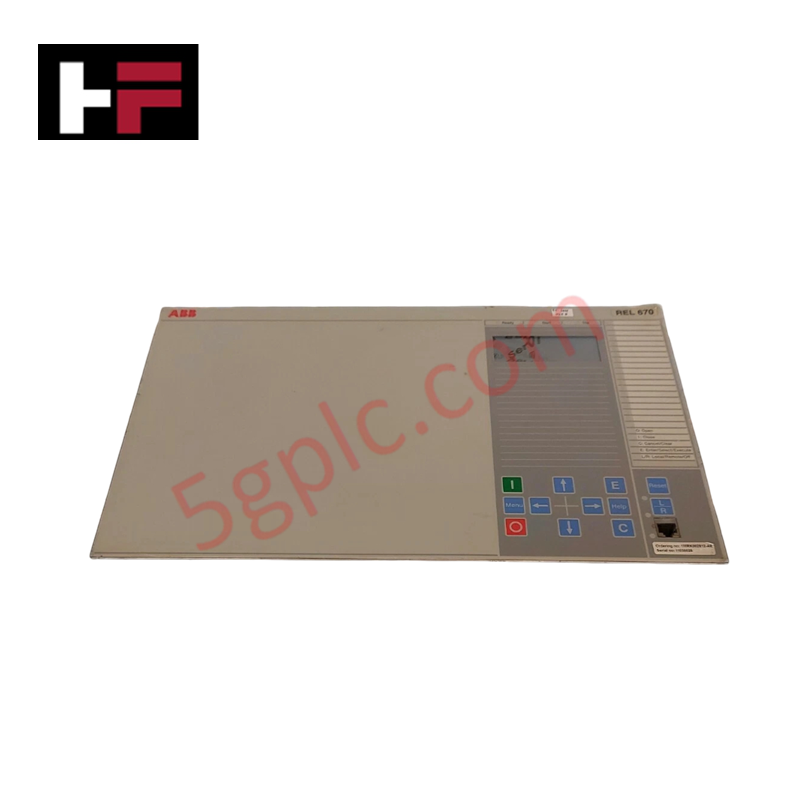
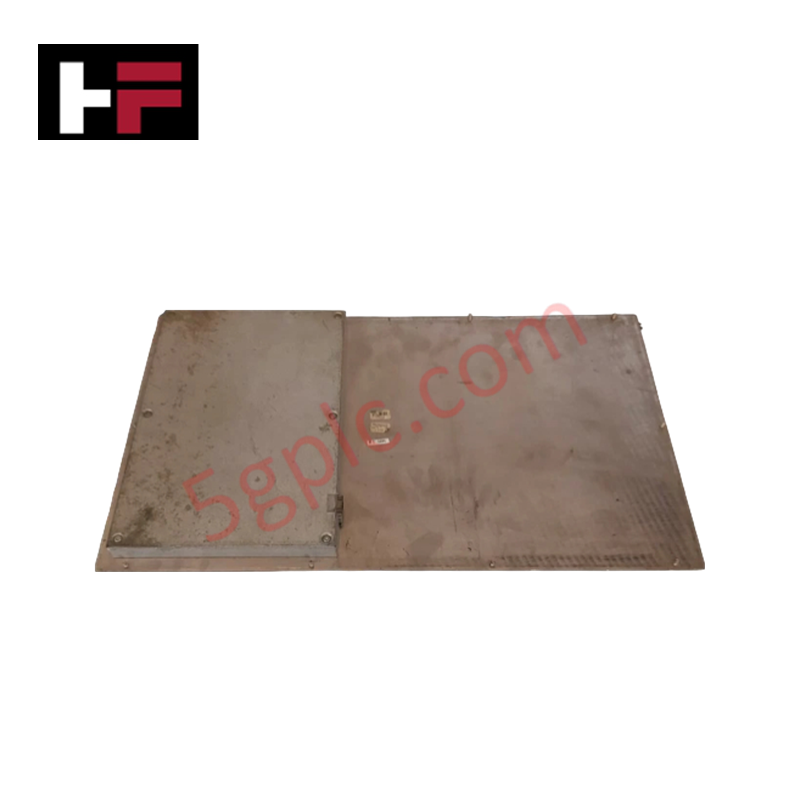
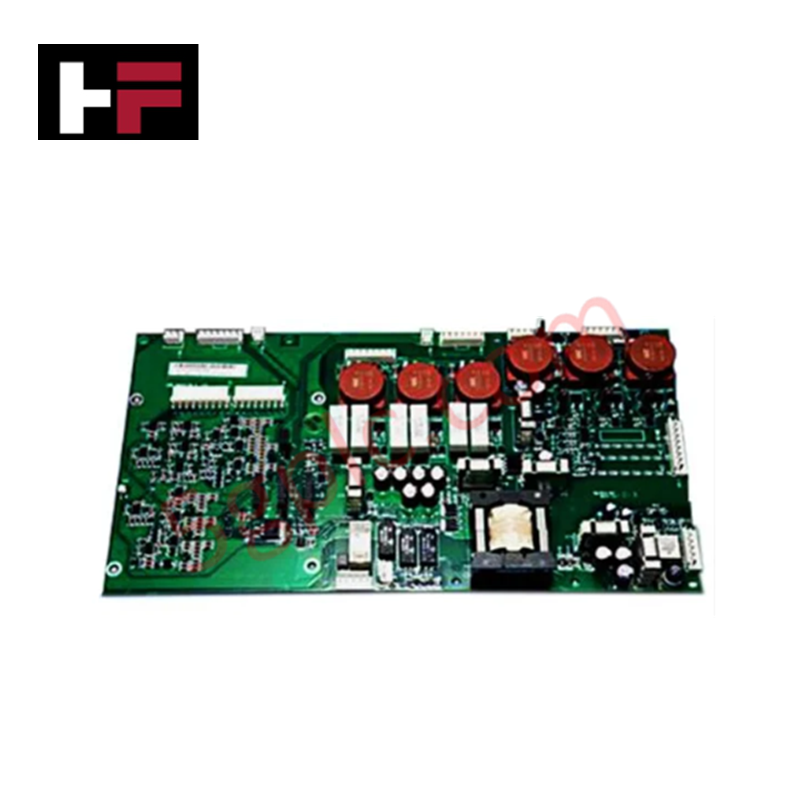
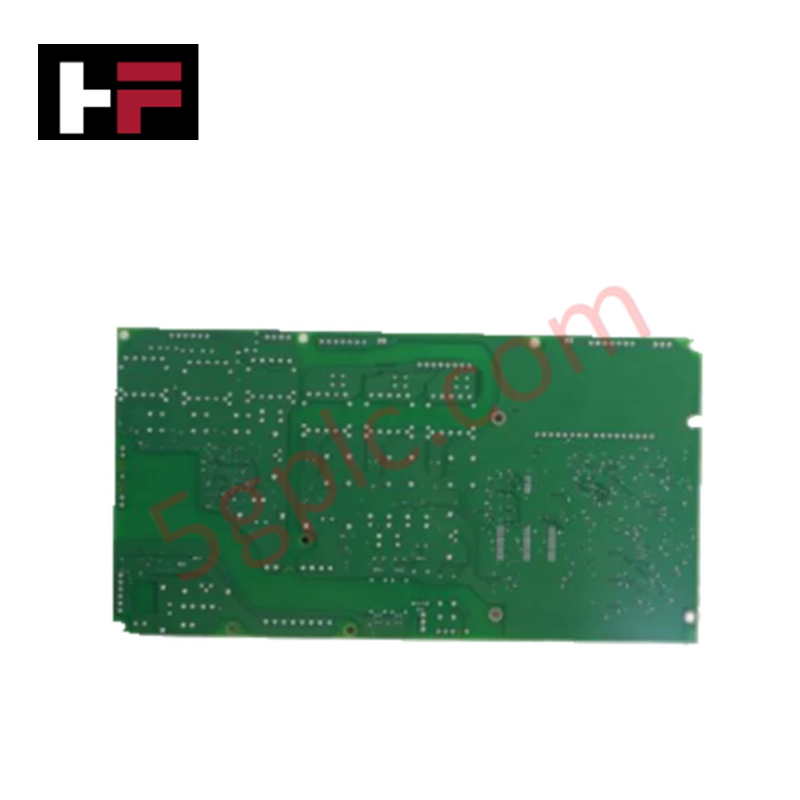
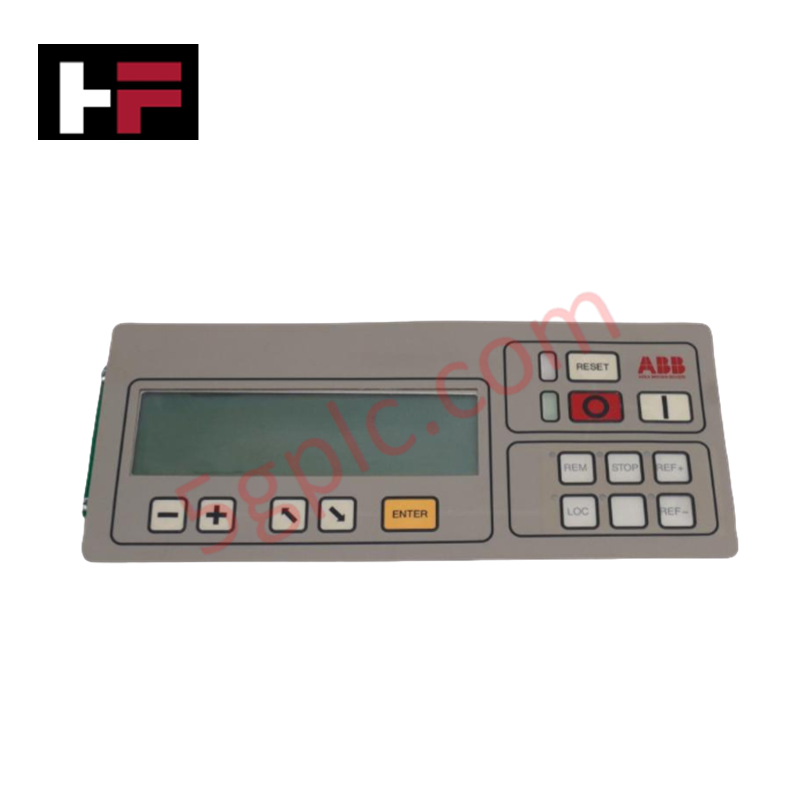
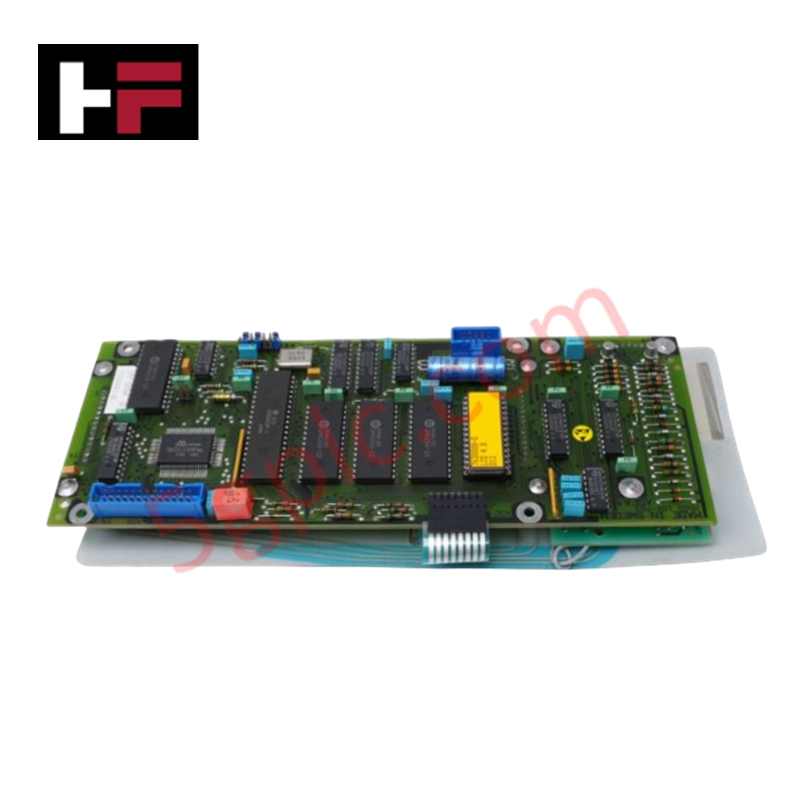
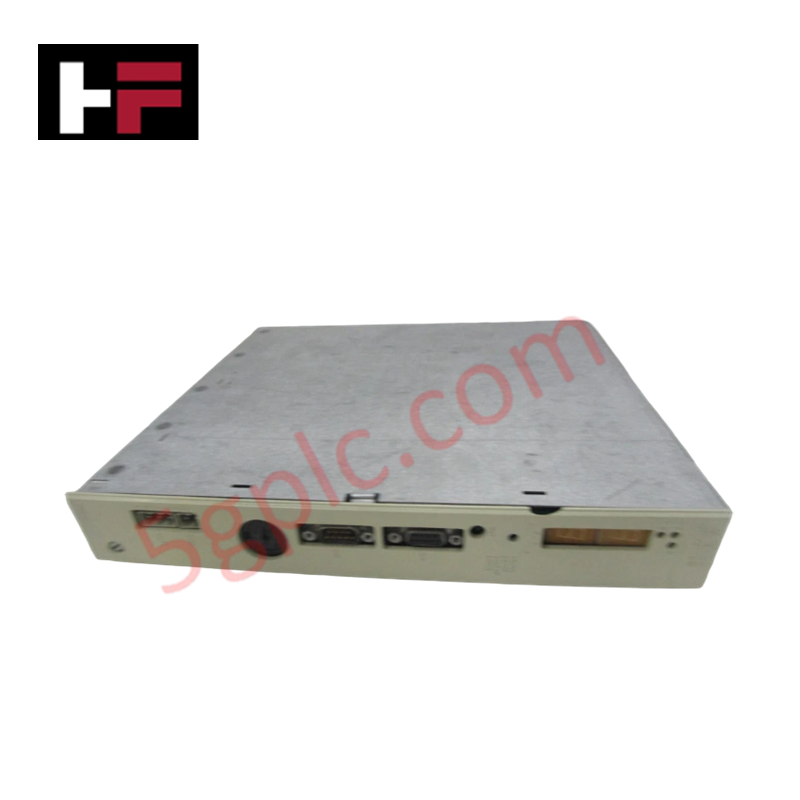
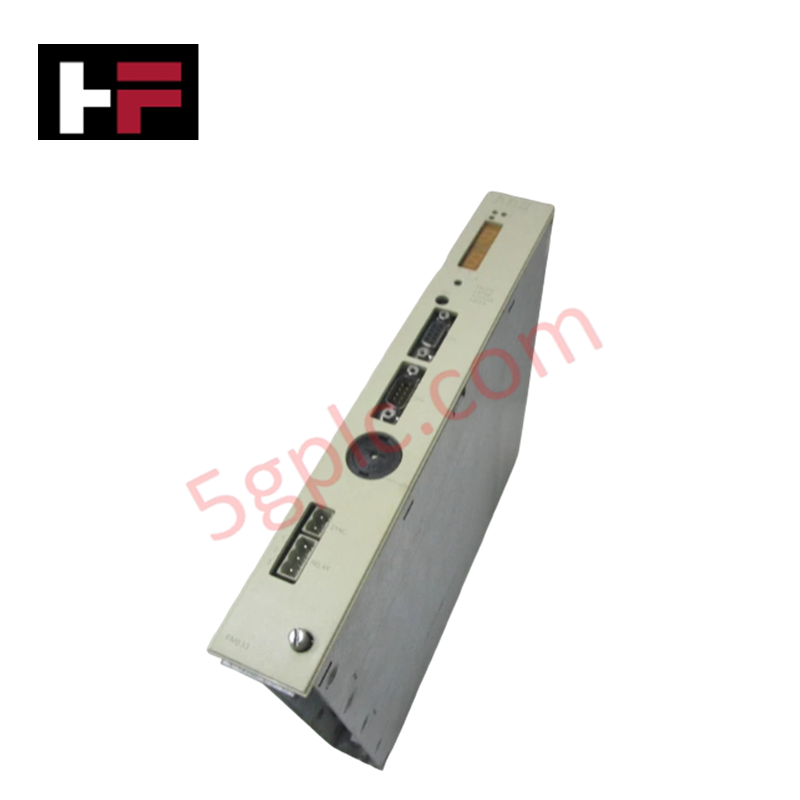
The SPSEM11 SOE Master Module collects and orders data from multiple SOE input cards, maintaining a unified system clock. It provides high-resolution event data for fault analysis and sequence verification, reducing controller load and ensuring reliable millisecond-level tracking in critical industrial applications.
Specifications
-
Manufacturer: ABB
-
Country of Origin: Switzerland
-
Model Number: SPSEM11
-
Product Series: Symphony Plus / Harmony
-
Module Type: Sequence of Events (SOE) Master
-
Synchronization Accuracy: 1 millisecond
-
Approximate Weight: 0.68 kg
-
Operating Temperature: 0 to 70 degrees Celsius
-
Power Requirements: 5V DC @ 300mA (Internal Backplane)
Features
-
Centralized Time Management: Synchronizes all associated SOE input modules to a master clock for consistent system-wide time-stamping.
-
Efficient Buffer Handling: Manages large event queues locally to prevent data loss during rapid-fire alarm conditions.
-
Deterministic Communication: Utilizes dedicated backplane channels to relay prioritized event data to the bridge controller without latency.
-
System Diagnostics: Continuously monitors the health of the SOE subsystem and reports synchronization errors or module failures to the HMI.
-
Rack-Mount Compatibility: Fully compatible with Harmony Module Mounting Units (MMU), supporting seamless integration into existing control cabinets.
Additional Information
- 100% Genuine Parts: All products are original and authentic, ensuring reliable industrial performance.
- 30-Day Refund Guarantee: Return any in-stock item within 30 days in original, unopened packaging for a full refund (excluding shipping and fees).
- 12-Month Warranty: Covers defects in materials or workmanship; excludes misuse, normal wear, or unauthorized modifications.
- Worldwide Shipping: We ship via USPS, UPS, FedEx, and DHL. Delivery times vary by country and may be subject to customs or import fees.
- Support & Contact: Technical and warranty assistance is available anytime. Contact us here: Contact.
- Purchase Guidance: Check product specifications and compatibility carefully before ordering to ensure proper application.
Tech & Buying Guide

Preventing Emergency Stop Spurious Trips in Industrial Control Systems
Emergency Stop pushbuttons use Normally Closed contacts for fail-safe safety, but mechanical wear can cause costly spurious trips. This technical guide examines E-Stop contact failure root causes, redundant hardware setups, PLC logic monitoring, and maintenance strategies to maximize plant availability.

Why 24V DC Is the Universal Standard for Industrial Automation Power Supplies
Industrial manufacturing requires continuous uptime to prevent equipment damage. Unlike AC power, 24V DC circuits seamlessly integrate with UPS units and battery banks. During main grid failures, a 24V DC backup system instantly maintains PLC memory, instrument loops, and critical safety valves without interruption.

Site Acceptance Testing (SAT) for PLC Control Systems: An Engineering Execution Guide
The Site Acceptance Test (SAT) represents the definitive handover stage in industrial automation projects. While the Factory Acceptance Test confirms cabinet hardware assembly off-site, the SAT validates real-world performance under live site conditions. Consequently, a structured execution strategy prevents equipment damage and guarantees seamless integration into plant operations.