










Product Details
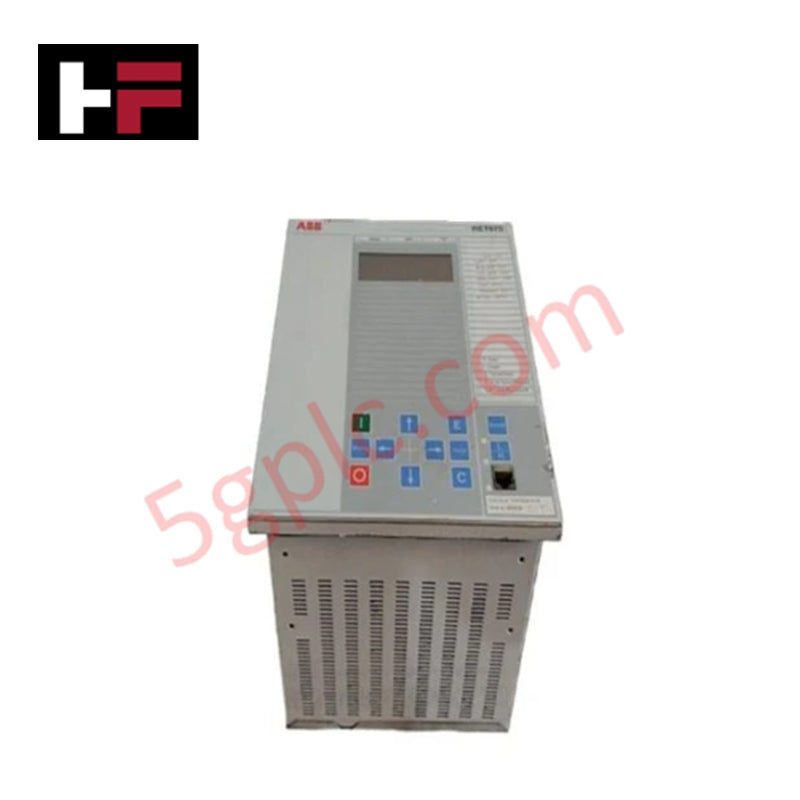
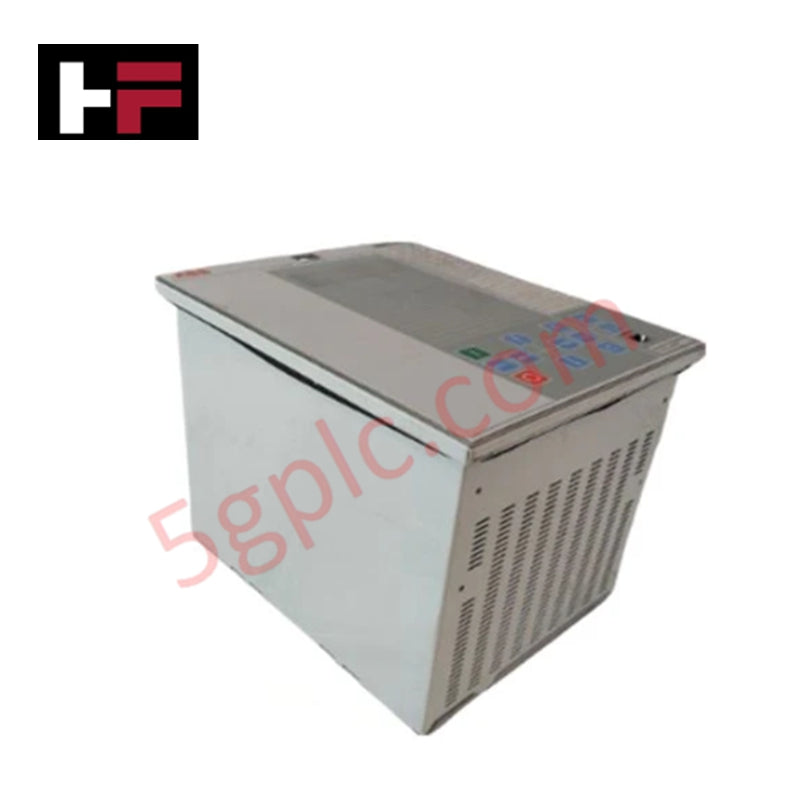
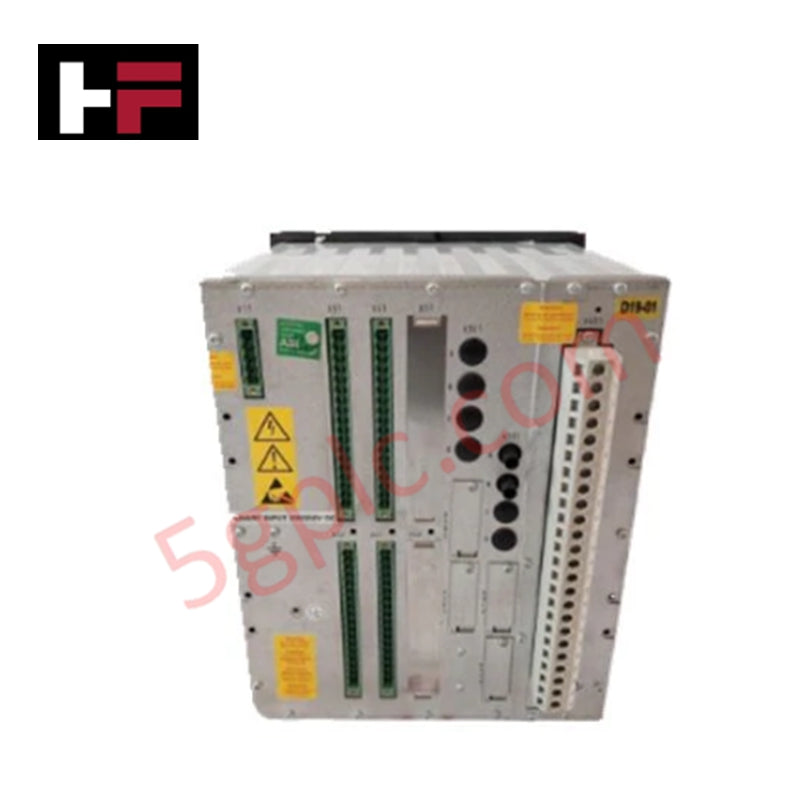
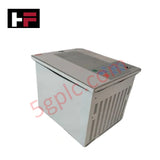
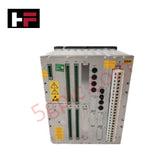
The ABB RET670 1MRK002816-AC, also cataloged as the RET670 Transformer Protection and Control Relay, operates as a dedicated hardware component for multi-winding power transformer differential processing and voltage regulation within electrical substation automation systems. The module converts analog current and voltage secondary measurements into synchronized digital telemetry data to execute sub-cycle fault isolation routines across high-voltage grid lines.
Hardware Specifications
| Parameter | Specification |
|---|---|
| Model | RET670 (1MRK002816-AC) |
| Brand | ABB |
| Origin | Sweden |
| Core Protection | Multi-winding transformer differential, restricted earth fault (REF), voltage tracking |
| Chassis Format | 6U height, standard rack-mountable enclosure |
| User Interface | Integrated graphical HMI panel |
| Scalability | Modular slot architecture supporting optional I/O and communication cards |
| Time Sync Protocol | IEEE 1588 V2 / SNTP / IRIG-B |
| Operating Temp | -40 to +75 deg C (Standard platform limits) |
| Power Consumption | Base chassis configuration and active module allocation dependent |
| Dimensions | Standard 19-inch subrack width specification |
| Weight | Variable based on analog input transformer module and hardware card density |
Profinet / EtherNet/IP Deterministic Networks Performance
The real-time calculation of vector current differences across the transformer winding zones requires continuous coordination with the backplane bus communication velocity metrics of the hardware chassis. The RET670 uses specific I/O density scaling profiles that allow high-speed binary GOOSE messages to be distributed across redundant networks without processing delay. To maintain structural synchronization during multi-node faults, absolute firmware flash compatibility must be verified between the primary analog input transformer modules and the central processor core.
Frequently Asked Questions
Q: Can the 1MRK002816-AC internal modules be serviced or hot-swapped while active?
A: No. Hot-swapping the processing cards or the internal analog input transformers is prohibited. The unit must be fully de-energized and external secondary current transformer circuits must be shorted before physical withdrawal.
Q: How does the unit mitigate false tripping during transformer energization events?
A: The internal logic runs numerical harmonic restraint algorithms (primarily 2nd and 5th harmonic analysis) to differentiate magnetizing inrush and overexcitation currents from true internal phase faults.
Q: What redundancy protocols are supported by the Ethernet hardware interfaces?
A: The communication cards support parallel redundancy protocol (PRP) and high-availability seamless redundancy (HSR) paths to prevent data dropout during link failures.
Field Installation Guidelines
- Subrack Earth Bonding: Secure the 6U rack housing to the panel framework using a short, low-impedance copper braid. Ensure the metal-to-metal connection points are clean and completely free of paint or oxidation layer build-up.
- Secondary CT Circuit Security: Verify that all current transformer input lines are routed through specialized shorting terminal blocks. Never allow an active current transformer secondary path to open-circuit during field terminal modifications.
- Signal Cable Routing Constraints: Maintain clear physical separation between high-speed optical/copper network cabling and heavy alternating current control loops inside the cubicle wiring ducts to avoid induced noise.
Additional Information
- 100% Genuine Parts: All products are original and authentic, ensuring reliable industrial performance.
- 30-Day Refund Guarantee: Return any in-stock item within 30 days in original, unopened packaging for a full refund (excluding shipping and fees).
- 12-Month Warranty: Covers defects in materials or workmanship; excludes misuse, normal wear, or unauthorized modifications.
- Worldwide Shipping: We ship via USPS, UPS, FedEx, and DHL. Delivery times vary by country and may be subject to customs or import fees.
- Support & Contact: Technical and warranty assistance is available anytime. Contact us here: Contact.
- Purchase Guidance: Check product specifications and compatibility carefully before ordering to ensure proper application.









Tech & Buying Guide

Demystifying CPU Communication Ports in Siemens PLC Architectures
Industrial automation relies heavily on robust data exchange between devices. Without seamless connectivity, field instruments, network switches, human-machine interfaces, and programmable logic controllers cannot coordinate effectively. Therefore, understanding the various CPU communication ports available in Siemens hardware ensures efficient factory automation design and seamless system integration.

Mastering the Siemens PLC Scan Cycle: How the CPU Executes Automation Programs
Industrial automation relies heavily on programmable logic controllers (PLCs) to manage complex manufacturing processes. Many engineers dive straight into programming without mastering the underlying architecture. However, understanding how a PLC CPU executes a program ensures reliable system design. Therefore, mastering the scan cycle optimizes both performance and troubleshooting in modern control systems.

How to Connect to Siemens S7 PLCs: 5 Essential Communication Methods
Establishing a reliable hardware link between a programming terminal and a Siemens SIMATIC controller is essential for engineering workflows. Field engineers rely on distinct physical layers, ranging from legacy serial connections to high-speed Industrial Ethernet protocols. Modern factory automation environments prioritize fast data transfer and seamless driver integration. Selecting the correct connection method simplifies program downloads, online monitoring, and system troubleshooting in complex control systems.