










Product Details
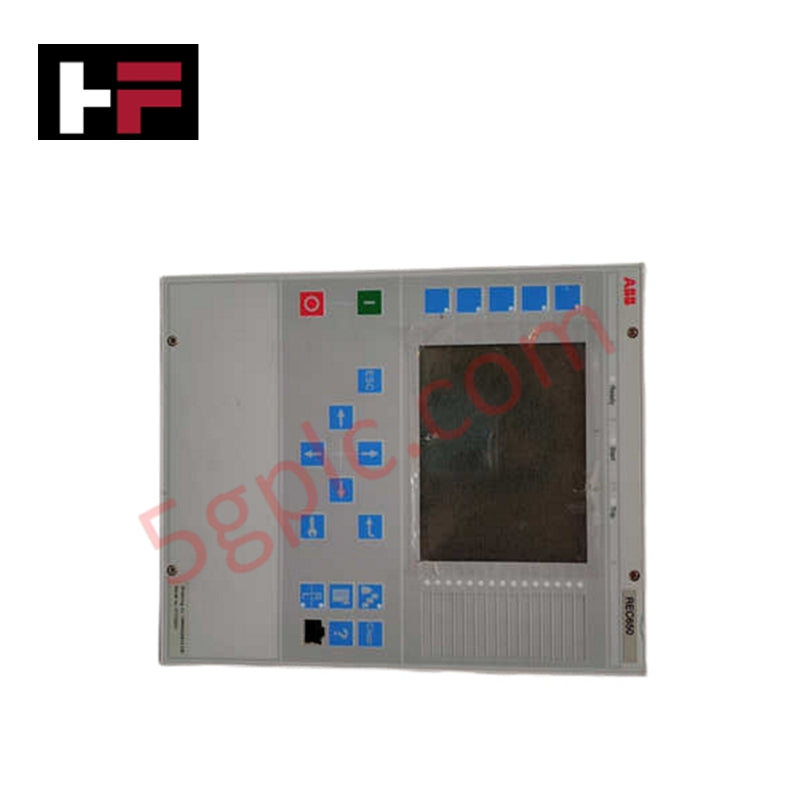
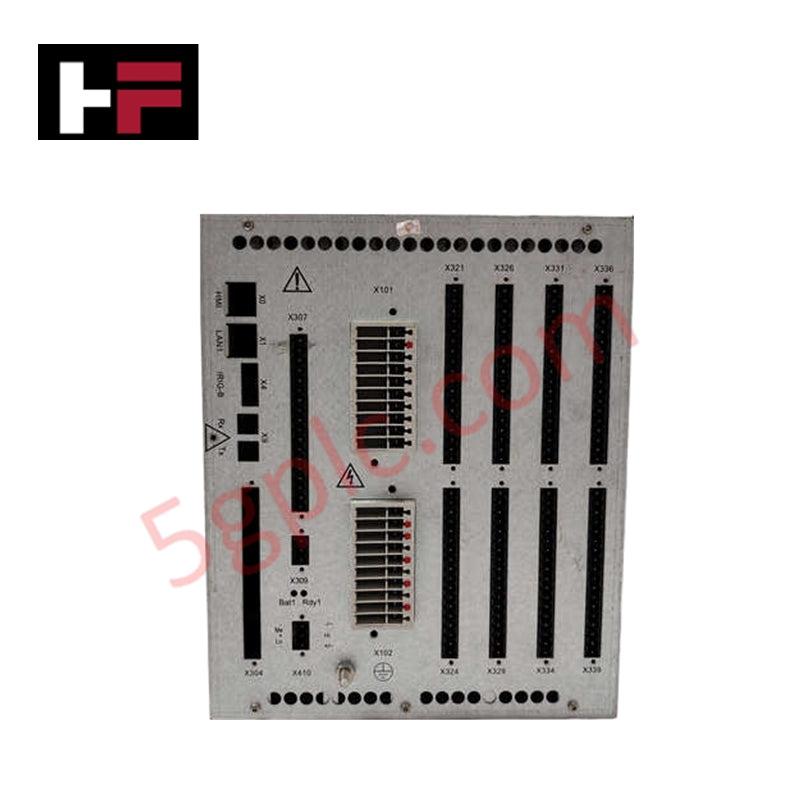
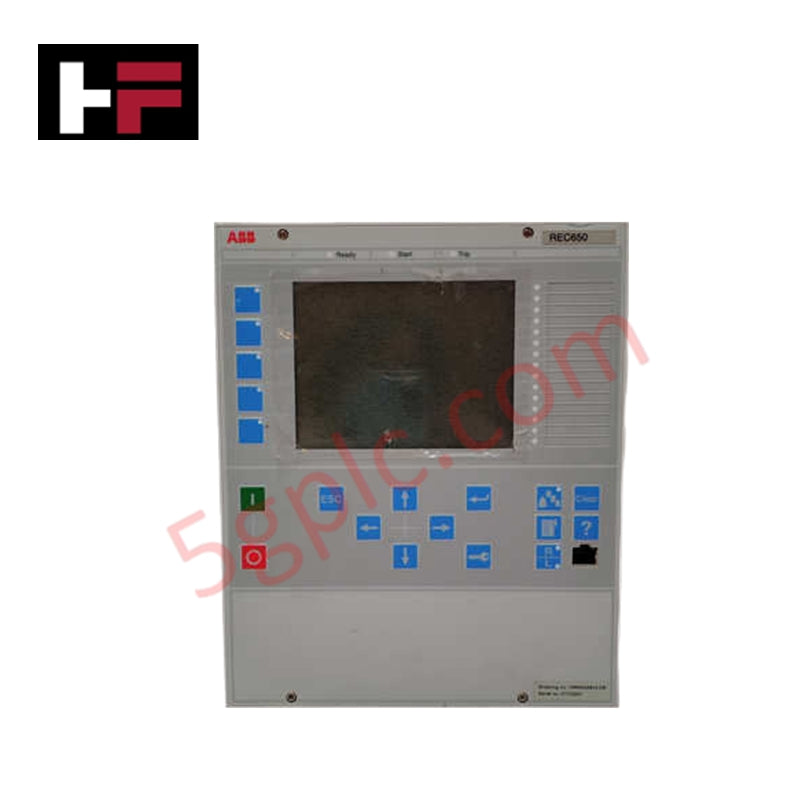
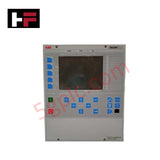
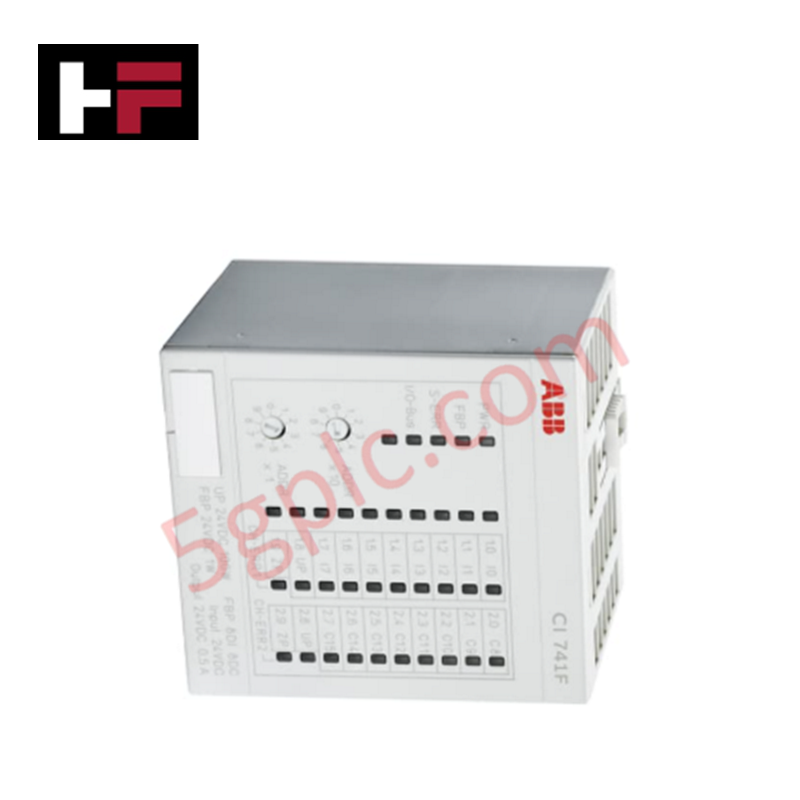
Configured for bay control, substation apparatus monitoring, and electrical interlock enforcement in transmission and distribution networks, the ABB 1KHL400169R0001 (REC650 Bay Control Unit) provides direct physical/electrical execution.
Hardware Specifications
| Parameter | Specification |
|---|---|
| Model | REC650 (Product ID: 1KHL400169R0001) |
| Brand | ABB |
| Origin | Sweden |
| Weight | 4.50 kg (Nominal variant mass profile) |
| Dimensions | Standard 6U half-19 inch rack-mount chassis configuration |
| Operating Temp | -25 to +55 deg C (Standard baseline parameters) |
| Power Consumption | 24-30 VDC or 48-250 VDC binary supply depending on configuration |
| Product Type | Bay Control Units |
| Communication Interface | Ethernet electrical/optical ports, ST/LC variants |
| Analog Processing | Dedicated current and voltage transformer inputs |
Profinet / EtherNet/IP Deterministic Networks and I/O Density Scaling
The internal core layout of the REC650 processes high-speed logical matrices under strict timing windows. By using dedicated data buses, the architecture isolates safety interlocks from peripheral logging tasks, maintaining fixed backplane bus communication velocity indexes during multi-breaker fault sequences. When integrated alongside Profinet / EtherNet/IP deterministic networks or IEC 61850 substation loops, the system executes sub-millisecond GOOSE message routing to execute fail-safe circuit breaker tripping. The modular card layout preserves total firmware flash compatibility across standard 650 hardware series profiles, allowing variable binary module expansion to achieve high I/O density scaling inside the control cubicle.
Frequently Asked Questions
Q: Does the REC650 processing sub-rack support live hot-swap replacement of internal I/O modules?
A: No. The internal electrical backplane lines are not configured for active online extraction. Power supply isolation must be executed prior to module removal to prevent electrical damage and loss of tracking synchronization.
Q: How is firmware flash compatibility verified when changing binary input cards?
A: The central processor validates the hardware identification layer of all connected boards during the boot sequence. Replacement parts must match the specific baseline firmware flash compatibility parameters set via the PCM600 configuration tool.
Q: What is the nominal synchronization delay window across redundant communication ports?
A: The dual-port communication layout supports Parallel Redundancy Protocol (PRP). The internal switching logic runs with zero-millisecond failover tracking latency, delivering duplicate data streams simultaneously without stopping active control routines.
Field Installation Guidelines
- Rack Mount Rigidity: Install the 4.50 kg enclosure securely within a 19-inch sub-rack frame using all four factory mounting points to reduce the effects of industrial vibration.
- Low-Impedance Earthing Connection: Connect a dedicated green/yellow copper conductor (minimum 4.0 mm2 cross-section) from the rear frame grounding terminal block to the main panel ground copper busbar.
- Analog Signal Line Routing: Route Current Transformer (CT) and Voltage Transformer (VT) secondary cables in separate shielded conduits away from high-power transient paths to prevent inductive interference.
- External Terminal Block Torque: Tighten all ring terminal wire connection points to the recommended torque specifications to maintain stable contact resistance during thermal changes.
Additional Information
- 100% Genuine Parts: All products are original and authentic, ensuring reliable industrial performance.
- 30-Day Refund Guarantee: Return any in-stock item within 30 days in original, unopened packaging for a full refund (excluding shipping and fees).
- 12-Month Warranty: Covers defects in materials or workmanship; excludes misuse, normal wear, or unauthorized modifications.
- Worldwide Shipping: We ship via USPS, UPS, FedEx, and DHL. Delivery times vary by country and may be subject to customs or import fees.
- Support & Contact: Technical and warranty assistance is available anytime. Contact us here: Contact.
- Purchase Guidance: Check product specifications and compatibility carefully before ordering to ensure proper application.






Tech & Buying Guide

Comprehensive Guide to PLC Types in Modern Industrial Automation
Modern industrial automation relies on programmable logic controllers to govern critical factory operations. System integrators classify PLCs based on scale, hardware architecture, and power supply design. Understanding these core categories enables automation engineers to select the right control system architecture. Consequently, proper hardware selection optimizes performance while minimizing long-term operational costs.

Demystifying the DDE Protocol in Legacy Industrial Automation Systems
Modern control systems rely heavily on seamless interprocess communication to exchange operational data between software programs. Microsoft first introduced the Dynamic Data Exchange (DDE) protocol in 1987 to enable real-time data sharing. In factory automation, DDE served as an early bridge between control software and Windows desktop applications. Therefore, understanding DDE mechanics provides crucial insights into how legacy industrial networks established software-level connectivity.

Demystifying CPU Communication Ports in Siemens PLC Architectures
Industrial automation relies heavily on robust data exchange between devices. Without seamless connectivity, field instruments, network switches, human-machine interfaces, and programmable logic controllers cannot coordinate effectively. Therefore, understanding the various CPU communication ports available in Siemens hardware ensures efficient factory automation design and seamless system integration.