










Product Details
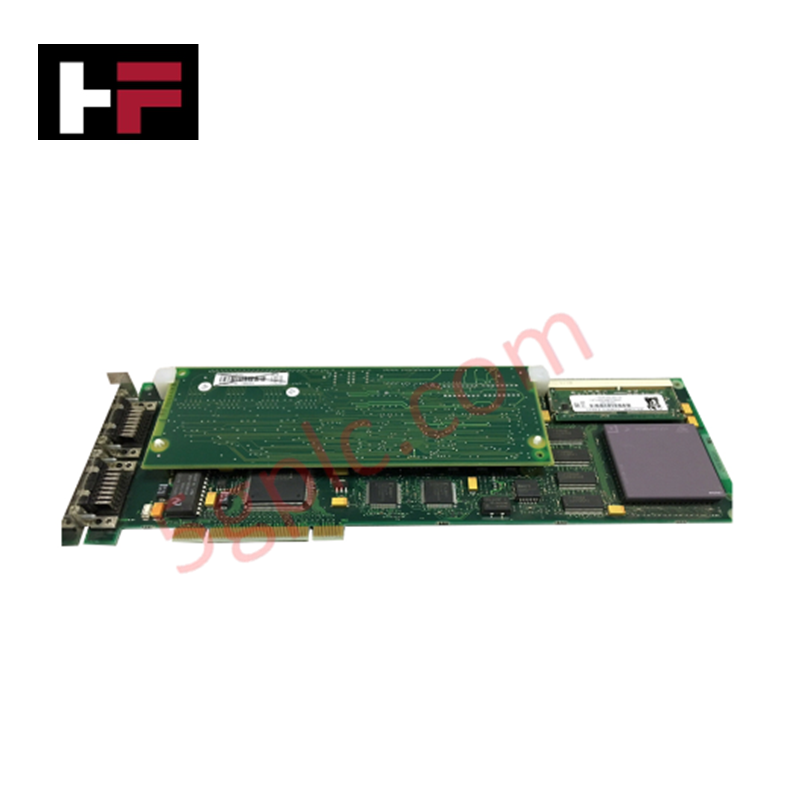
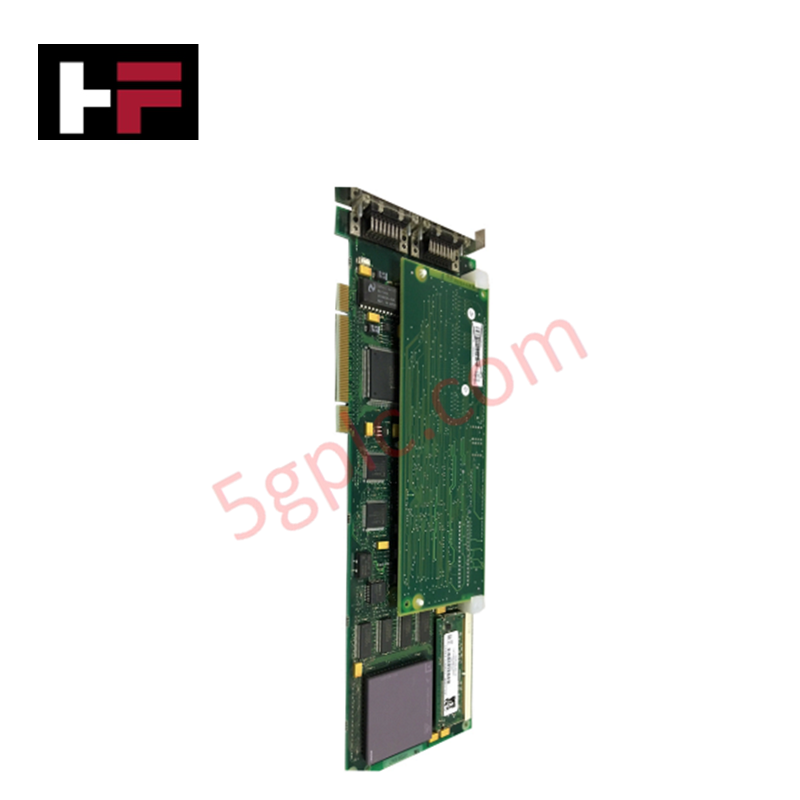
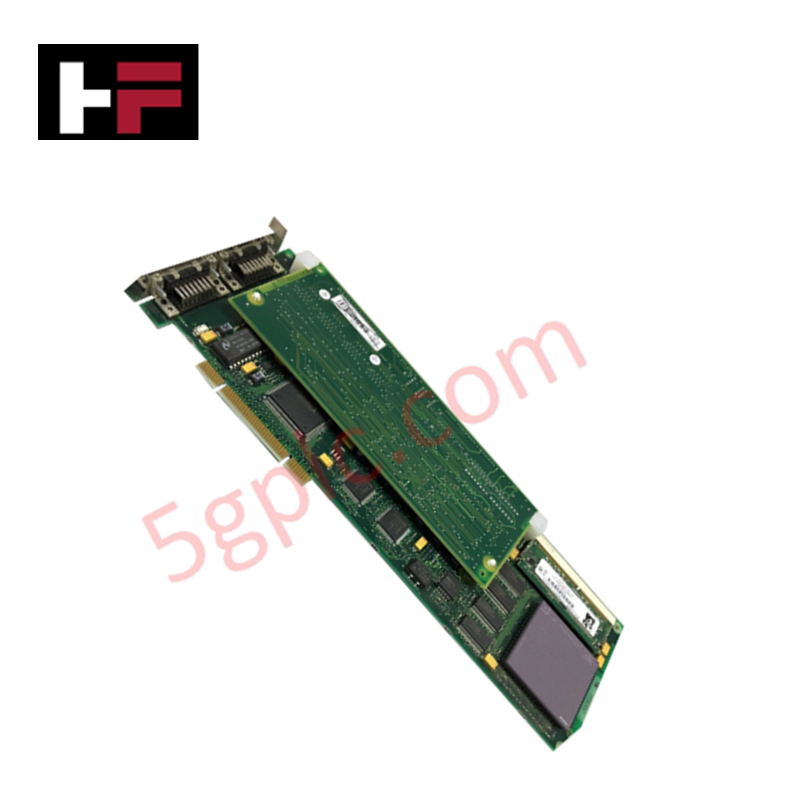
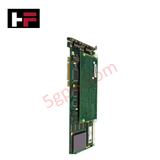
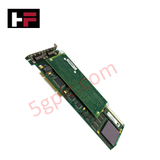
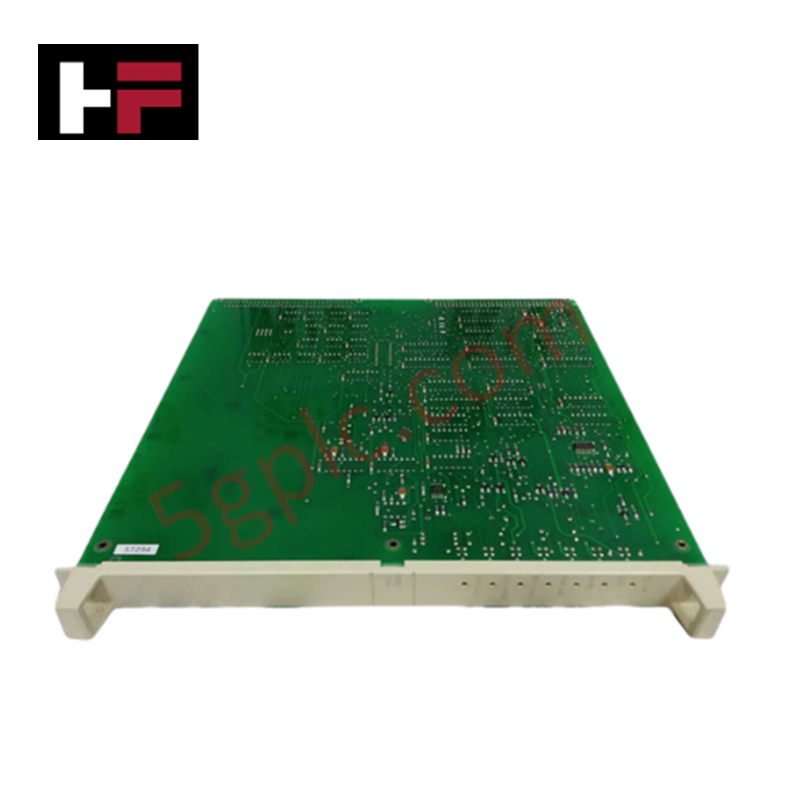
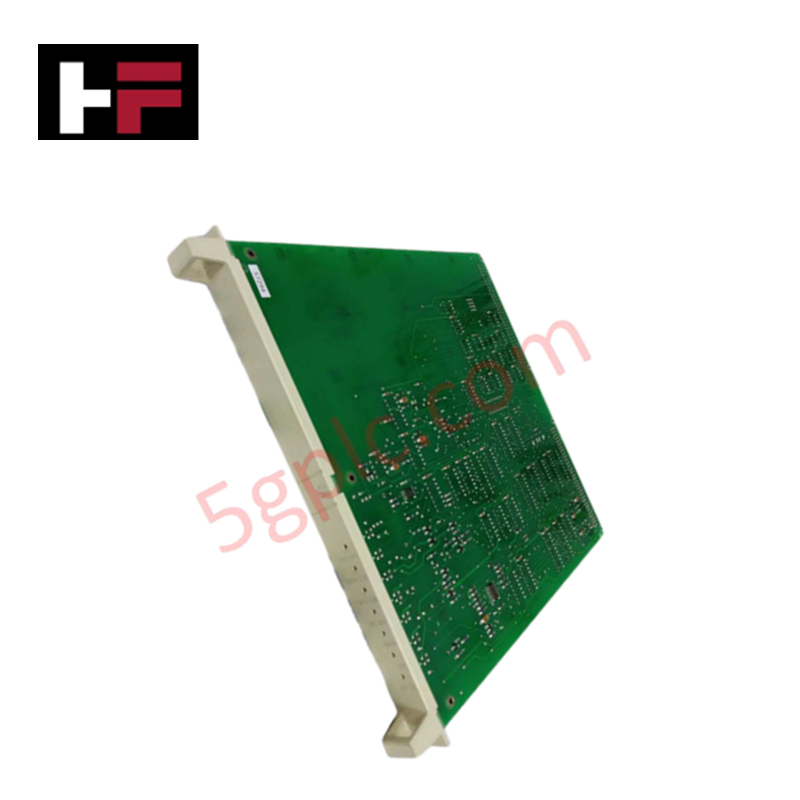
The ABB PU515A 3BSE032401R1, also cataloged as the PU515A Communication Module, operates as a dedicated hardware component for MB300 protocol serialization and data processing within ABB 800xA network architectures.
Hardware Specifications
| Parameter | Specification |
|---|---|
| Model | PU515A (Product ID: 3BSE032401R1) |
| Brand | ABB |
| Origin | Sweden |
| Weight | 0.4 kg |
| Dimensions | 30 mm x 540 mm x 150 mm |
| Operating Temp | 0 to +55 deg C (Standard industrial parameters) |
| Power Consumption | System PCI backplane bus derived |
| Protocol Type | MB300 |
| Processor Count | 1 |
| CPU Clock Frequency | 25 MHz |
| Memory Size | 16 MB |
| Channel Count | 2 Channels |
| Communication Speed | 10000 kbit/s |
| Physical Interface | PCI Slot Form Factor |
Profinet / EtherNet/IP Deterministic Networks and Firmware Flash Compatibility
The onboard 25 MHz processor assembly maps deterministic MB300 data frames straight to host system memory structures over two individual data channels. This hardware-level routing keeps data processing loads away from the host controller rack, avoiding any reduction in backplane bus communication velocity metrics during high-traffic intervals. The real-time accelerator interface ensures precise transmission clocking at 10000 kbit/s without data collisions when running beside separate Profinet / EtherNet/IP deterministic networks. Maintaining direct firmware flash compatibility with target 800xA control infrastructure ensures structured register synchronization and supports extensive field device I/O density scaling.
Frequently Asked Questions
Q: Does the PU515A communication interface board support active online hot-swap insertion within the host rack?
A: No. The card uses a standard PCI form factor that draws power directly from the system backplane traces. Seating or extracting the hardware while the host computer rack is powered will cause permanent damage to the onboard 16 MB memory matrix and interrupt active control loops.
Q: How is firmware flash compatibility verified for the dual-channel MB300 setup during card replacement?
A: Firmware versions are written directly to the onboard non-volatile memory block. During initialization, the master 800xA software checks this build state; matching firmware flash compatibility must be verified through the system tools to ensure the 10000 kbit/s rate runs without frame corruption.
Q: What diagnostic step should be followed if one of the 2 communication channels registers a timing failure?
A: Check the status registers in the diagnostic software utilities. Loopback routines can be initiated via the configuration workspace to isolate whether the failure stems from external line interference or an internal transceiver component issue.
Field Installation Guidelines
- PCI Slot Alignment Mechanics: Insert the board straight into the assigned host PCI slot. Apply uniform pressure until the card is fully seated, then tighten the bracket grounding screw to prevent movement from industrial vibration.
- Low-Impedance Shield Bonding: Terminate all external MB300 interface communication cable shields directly to the cabinet earth ground busbar to block high-frequency electromagnetic field induction.
- Signal Conductor Separation Paths: Route all serial communication links away from variable frequency drives, heavy switching contactors, and high-voltage AC cables to minimize cross-talk on the 10000 kbit/s data tracks.
- Thermal Barrier Management: Verify that cooling airflow through the 30 mm card chassis window remains open, keeping the 25 MHz CPU within standard operating temp parameters.
Additional Information
- 100% Genuine Parts: All products are original and authentic, ensuring reliable industrial performance.
- 30-Day Refund Guarantee: Return any in-stock item within 30 days in original, unopened packaging for a full refund (excluding shipping and fees).
- 12-Month Warranty: Covers defects in materials or workmanship; excludes misuse, normal wear, or unauthorized modifications.
- Worldwide Shipping: We ship via USPS, UPS, FedEx, and DHL. Delivery times vary by country and may be subject to customs or import fees.
- Support & Contact: Technical and warranty assistance is available anytime. Contact us here: Contact.
- Purchase Guidance: Check product specifications and compatibility carefully before ordering to ensure proper application.
Tech & Buying Guide

Ultimate Guide to Schneider Electric PLCs: Selecting Control Systems for Small to Medium Automation
Schneider Electric remains a dominant force in global industrial automation, delivering robust control systems across diverse sectors. For control engineers, selecting the right programmable logic controller (PLC) requires balancing budget, communication ports, and processing power. This technical breakdown explores Schneider’s small and medium portfolio, offering field-tested insights to help you optimize your next factory automation project.

Essential Maintenance Guide for PLC, DCS, and ESD Marshalling Cabinets
Marshalling cabinets serve as the vital interface between field instrumentation and your core control systems. In large-scale industrial automation, these panels house the intricate wiring for PLC, DCS, and Emergency Shutdown (ESD) systems. Regular, systematic health checks are non-negotiable to ensure operational reliability and prevent costly unplanned downtime.

Industrial PC vs. Commercial PC: Selecting the Right Hardware for Automation
In the demanding world of factory automation, selecting the correct computing platform is critical for system reliability. While commercial PCs power our daily lives, they often fail when subjected to the harsh realities of the production floor. Understanding the fundamental differences between an Industrial PC (IPC) and a standard office PC helps engineers optimize control systems for longevity and performance.