










Product Details
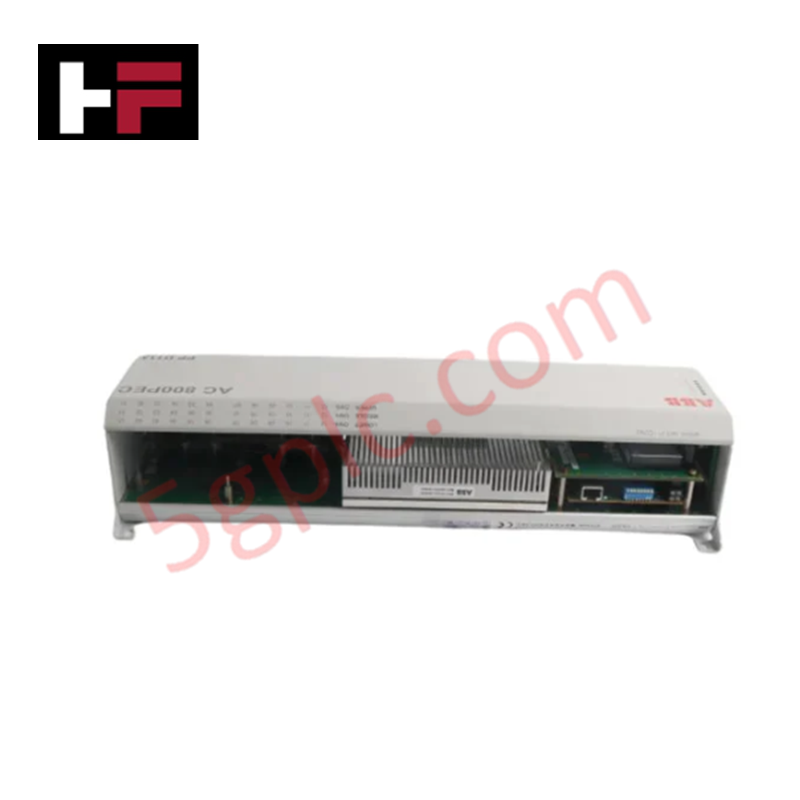
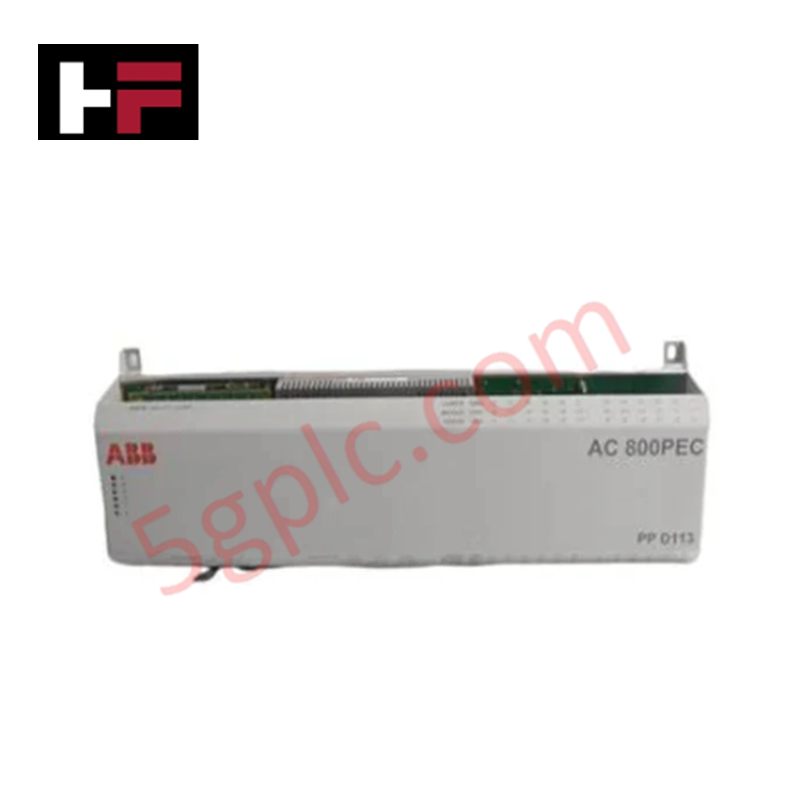
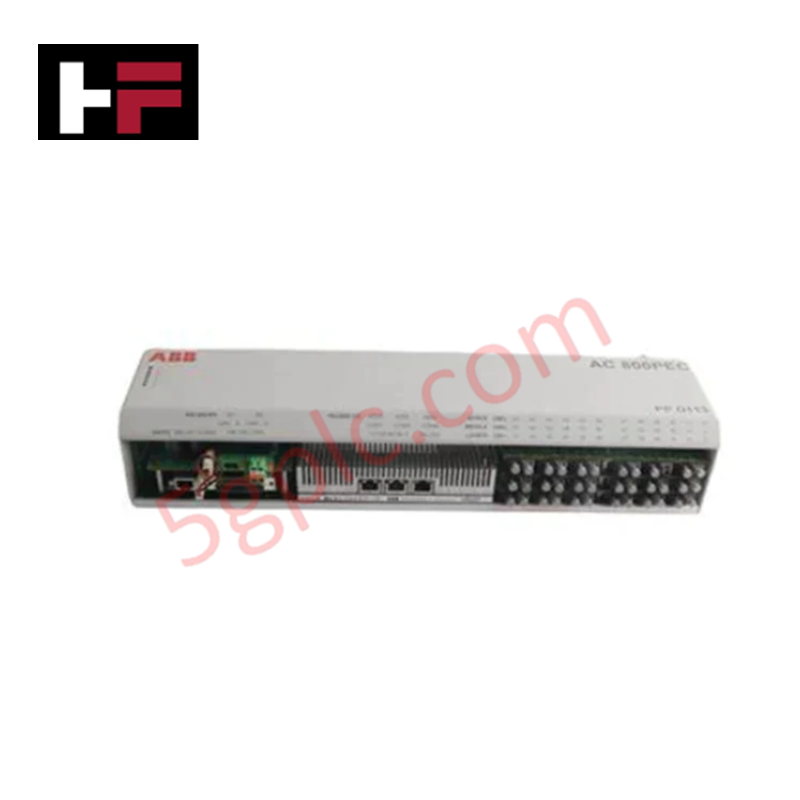
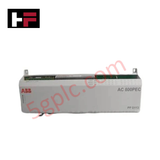
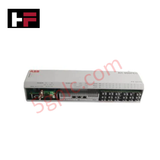
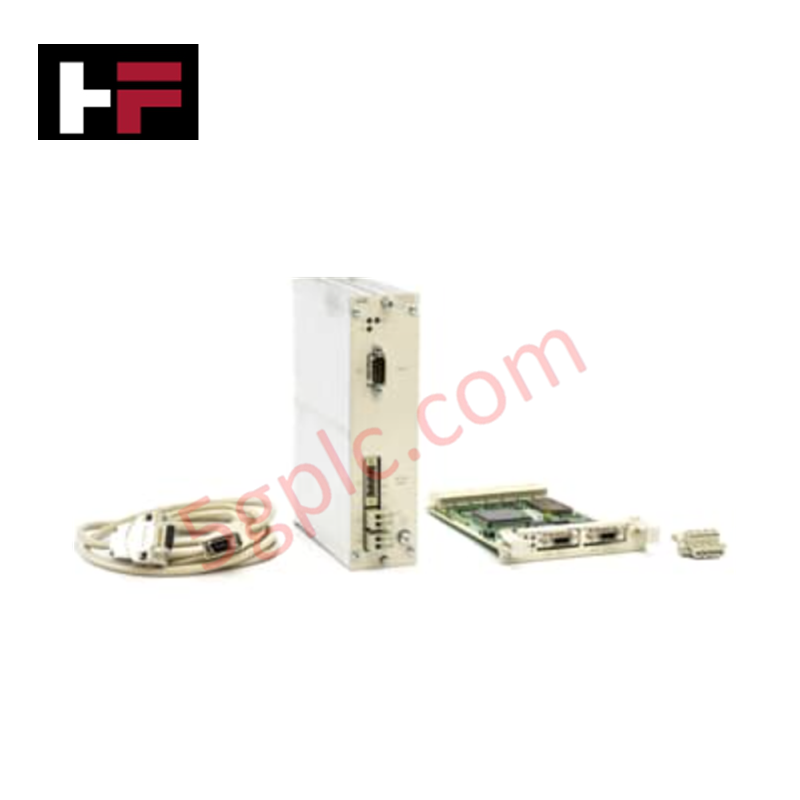
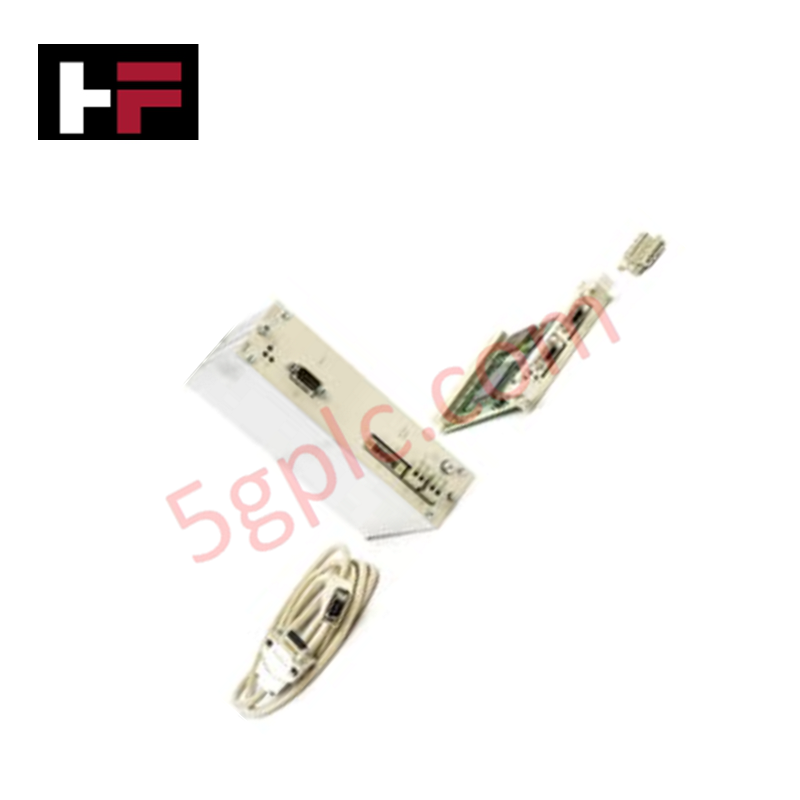
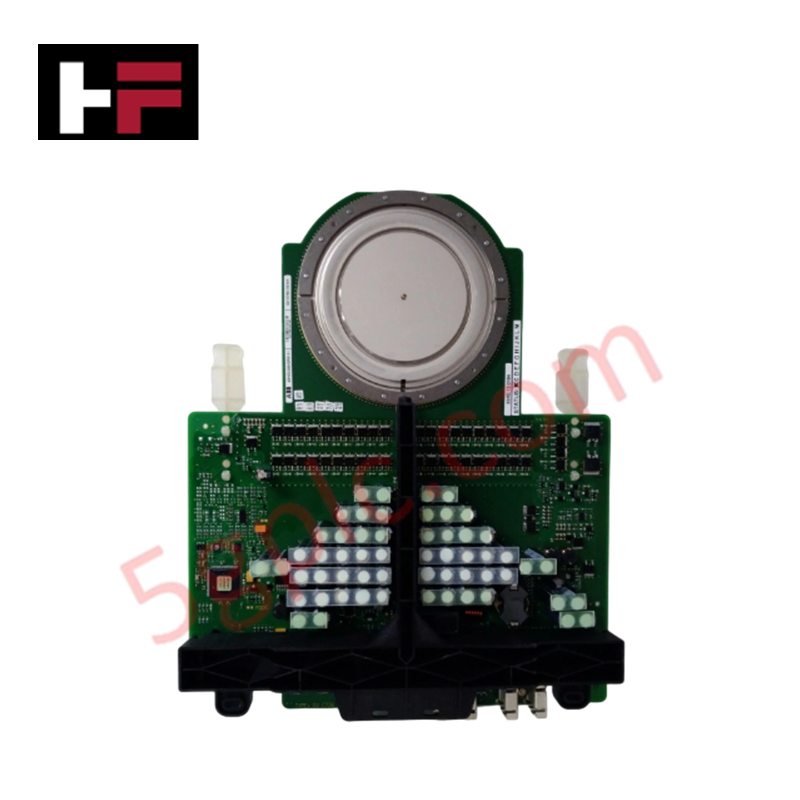
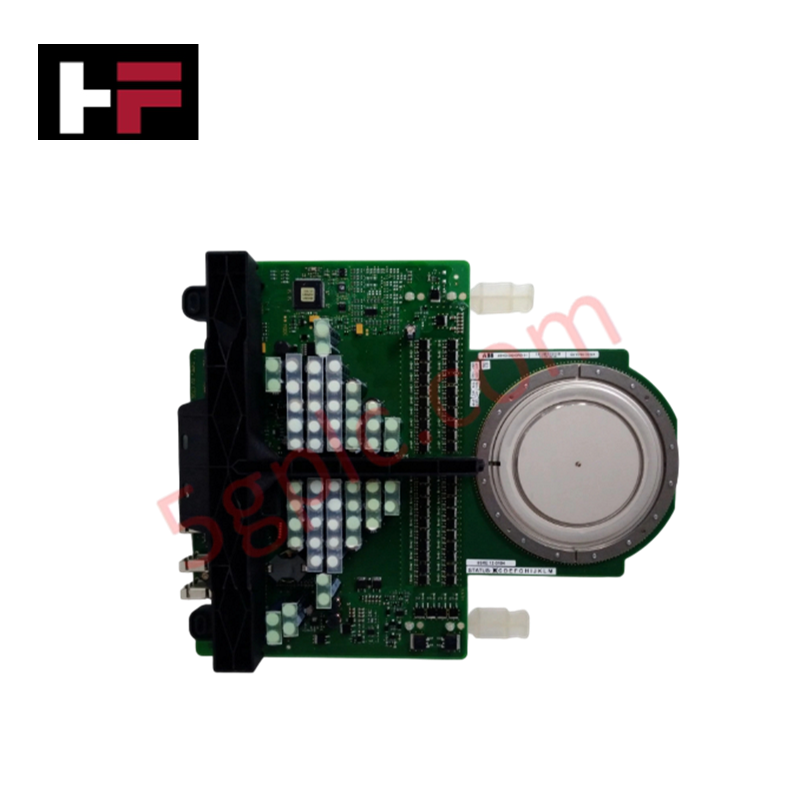
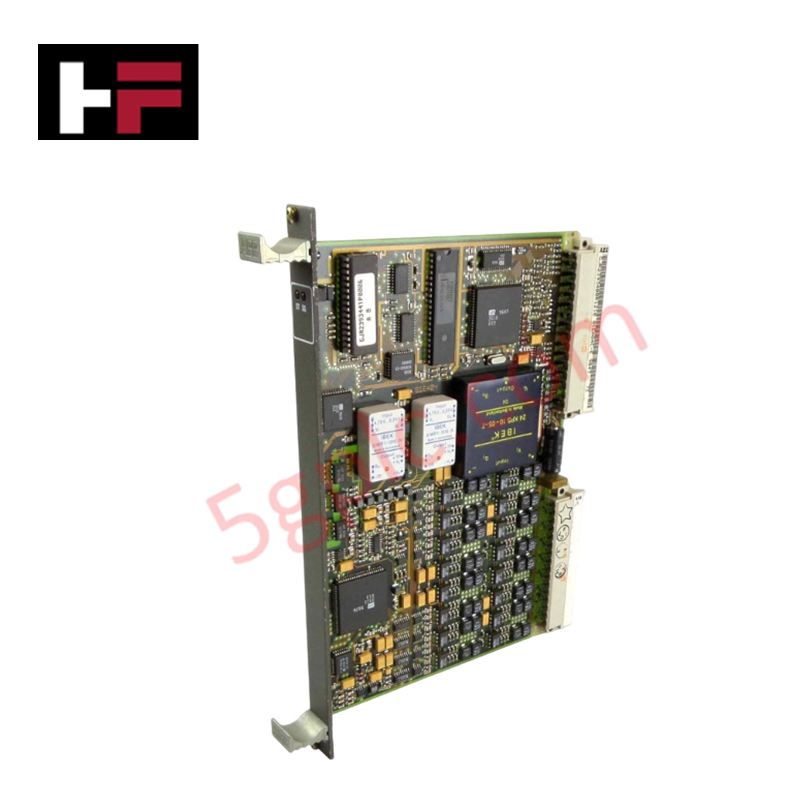
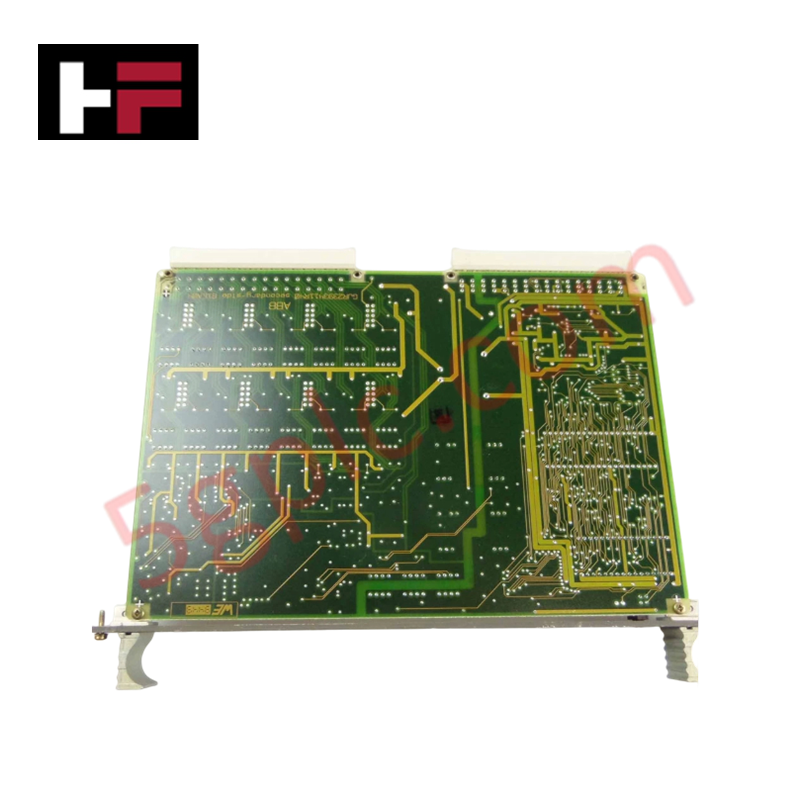
Configured for high-speed process regulation within AC 800PEC control networks, the ABB PP D113 (3BHE023584R2334) provides direct physical signal processing and multi-protocol communication execution.
Hardware Specifications
| Parameter | Specification |
|---|---|
| Model | PP D113 |
| Brand | ABB |
| Part Number | 3BHE023584R2334 |
| Origin | Not specified |
| Weight | 2.59 kg |
| Dimensions | 450 mm x 100 mm x 145 mm |
| Operating Temp | Standard industrial ambient |
| Power Consumption | System backplane dependent |
| Voltage | 110-240 V AC |
| Frequency | 50/60 Hz |
| Current | 5 A |
Backplane bus communication velocity and firmware compatibility
The PP D113 functions as the central processing unit for AC 800PEC configurations, managing deterministic backplane bus communication velocity to ensure real-time synchronization of connected digital and analog I/O modules. The module supports diverse communication protocols via its integrated ports, enabling high-speed data exchange with fieldbus networks and Ethernet-based supervisory systems. Firmware flash compatibility is controlled via the AC 800PEC engineering toolset; users must ensure the module firmware revision is synchronized with the system project configuration to prevent communication bus timeouts or internal timing drifts. Deterministic performance is contingent upon correct bus termination and adherence to specified backplane load limits.
Frequently Asked Questions
Q: Can the PP D113 module be hot-swapped while the AC 800PEC system is energized?
A: No. Hot-swapping is not supported. All power must be removed from the rack before inserting or removing the module to prevent electrical arcing or damage to the backplane communication pins.
Q: How should module firmware be managed during system commissioning?
A: Firmware must be updated through the designated engineering software interface. Verify that the current project hardware configuration matches the physical module revision to ensure valid register mapping and deterministic operation.
Field Installation Guidelines
- Mounting: Ensure the module is installed vertically in the rack-mounted backplane to promote natural convection cooling. Secure the module using the integrated fastening mechanisms to maintain rigid contact with the backplane connector.
- Input Power: The module accepts 110-240 V AC input. Ensure that the power distribution unit is fused correctly to match the 5 A current draw of the module.
- Grounding: Connect the module chassis to the cabinet earth ground using a low-impedance conductor. Proper grounding is necessary to mitigate electromagnetic interference (EMI) that can disrupt the high-speed backplane bus.
- Wiring Separation: Route high-voltage AC cabling and low-voltage I/O signals through separate wireways to minimize crosstalk and ensure signal integrity across the analog and digital inputs.
- Inspection: Verify that all communication ports are clear of debris. Before startup, inspect the backplane pins for potential misalignment or oxidation, which can lead to intermittent connection faults during high-velocity data transmission.
Additional Information
- 100% Genuine Parts: All products are original and authentic, ensuring reliable industrial performance.
- 30-Day Refund Guarantee: Return any in-stock item within 30 days in original, unopened packaging for a full refund (excluding shipping and fees).
- 12-Month Warranty: Covers defects in materials or workmanship; excludes misuse, normal wear, or unauthorized modifications.
- Worldwide Shipping: We ship via USPS, UPS, FedEx, and DHL. Delivery times vary by country and may be subject to customs or import fees.
- Support & Contact: Technical and warranty assistance is available anytime. Contact us here: Contact.
- Purchase Guidance: Check product specifications and compatibility carefully before ordering to ensure proper application.
Tech & Buying Guide

Navigating Industrial Automation Failures: Types, Causes, and Mitigation Strategies
Modern manufacturing relies heavily on automated control systems to maximize throughput and maintain product quality. However, unplanned downtime in industrial automation can cost facility operators thousands of dollars per hour. Understanding how programmable logic controllers (PLCs), distributed control systems (DCS), and field instrumentation fail empowers engineering teams to implement robust preventive maintenance strategies.

Essential Motion Control Commands: A Practical Guide for Engineers
Automation engineers often rely on precise position and speed control to drive modern factory machinery. Modern industrial systems, such as Programmable Logic Controllers (PLCs) and Distributed Control Systems (DCS), depend heavily on standardized motion instructions. Mastering these commands ensures operational safety, protects mechanical components, and optimizes cycle times across production lines.

The Role of Intrinsic Safety Barriers in PLC and DCS Architectures
Implementing robust protection in hazardous industrial environments represents a fundamental safety requirement in factory automation. Process facilities often handle volatile gases, dusts, and chemical agents that pose significant combustion risks. Consequently, control system engineers must deploy energy-limiting interfaces to isolate safe-area control cabinets from hazardous-area field instrumentation. This article examines the function, selection, and electrical principles of intrinsic safety barriers within modern PLC and DCS networks.