










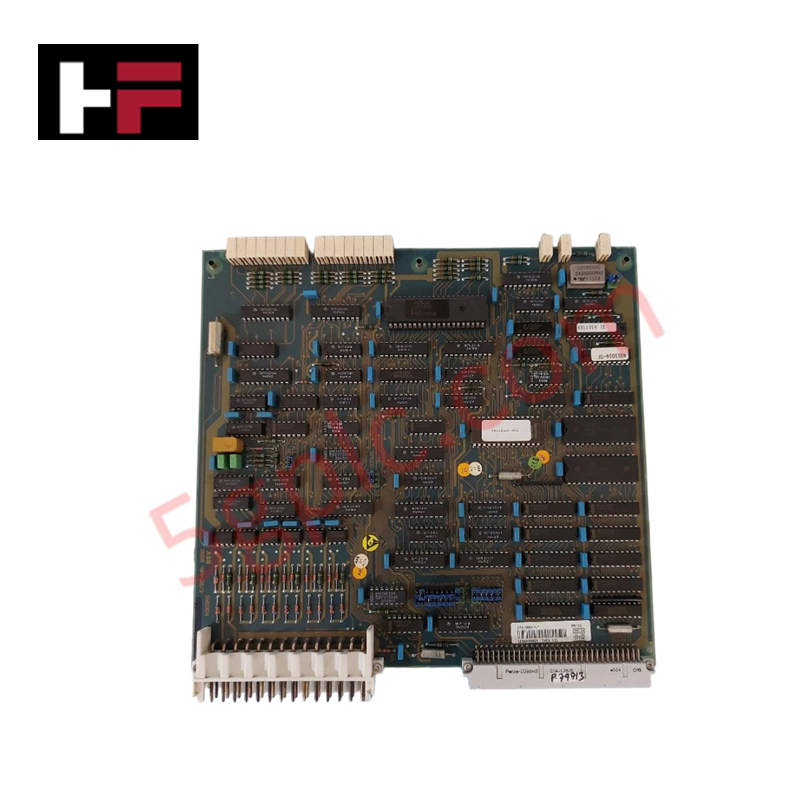
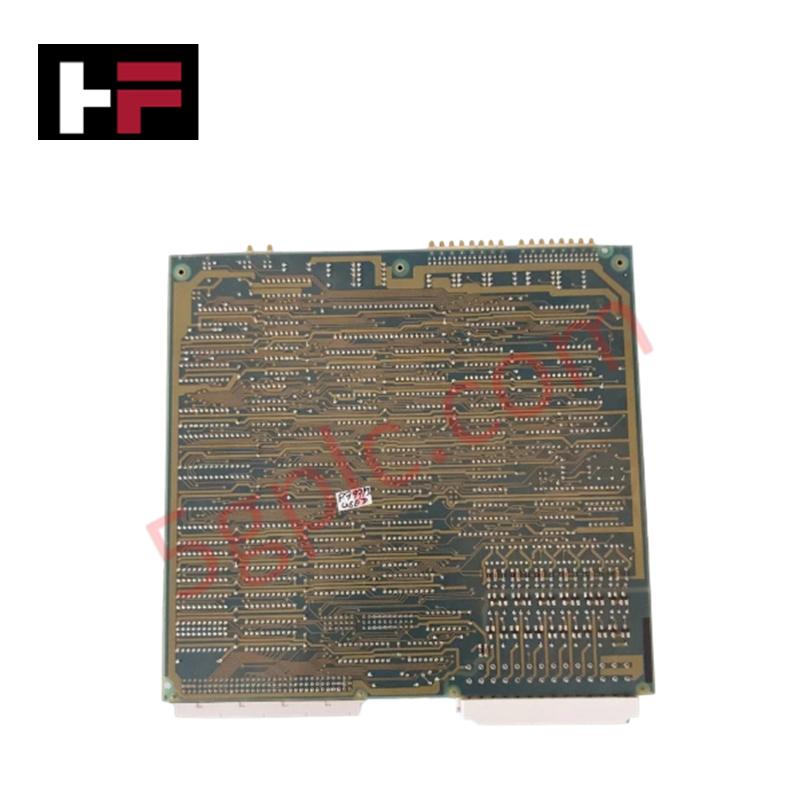
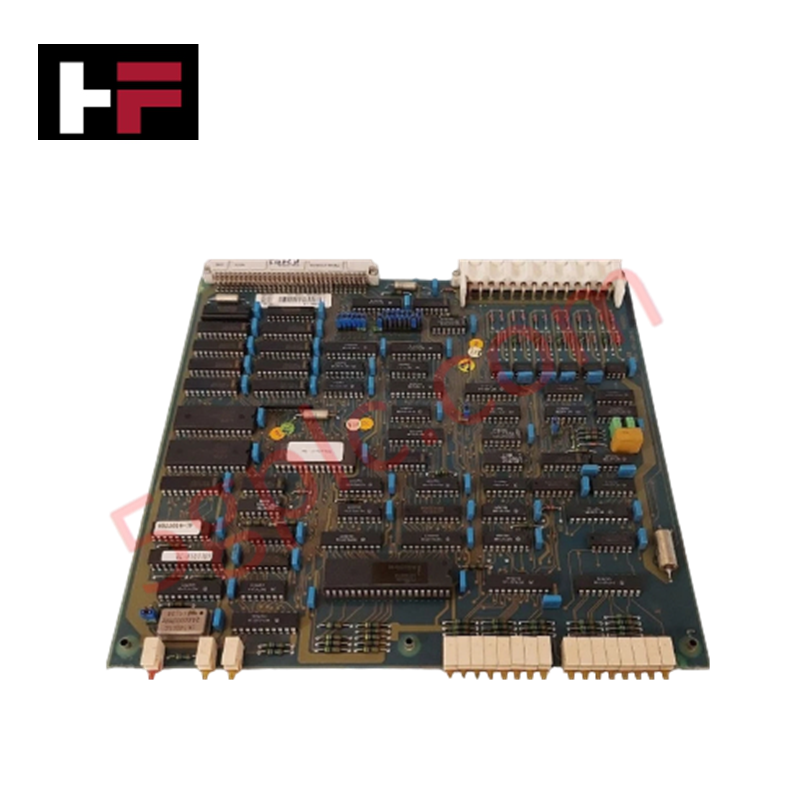
Product Details
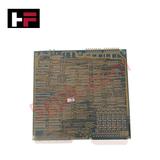
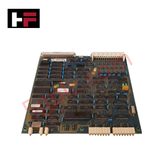
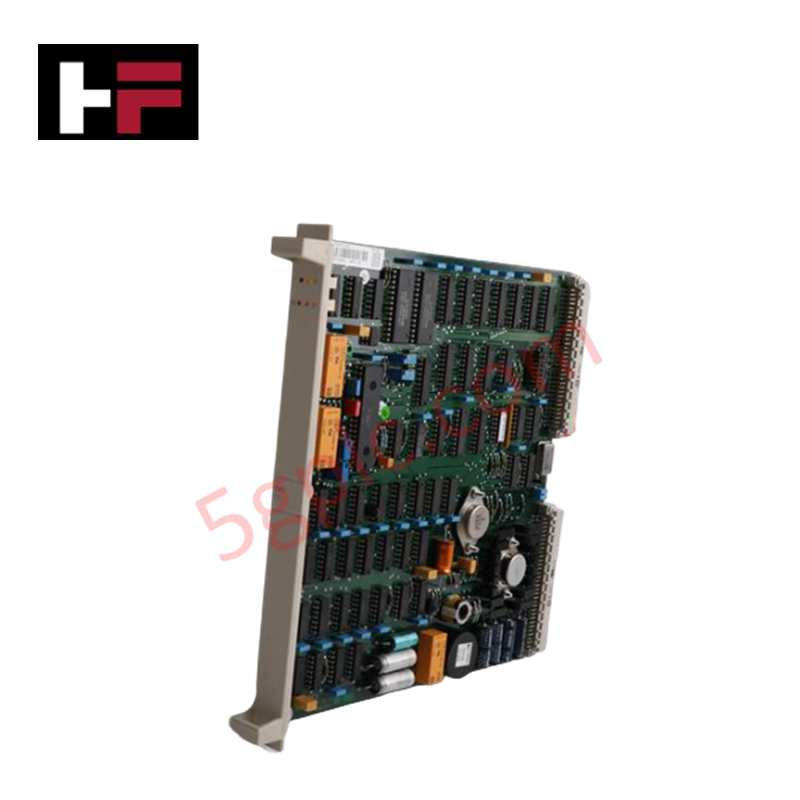
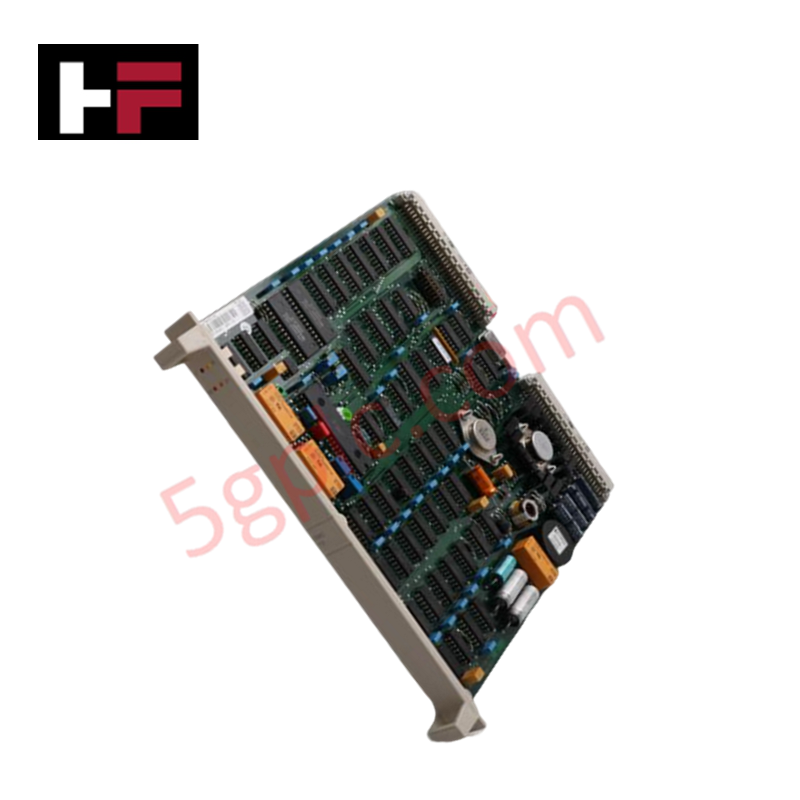
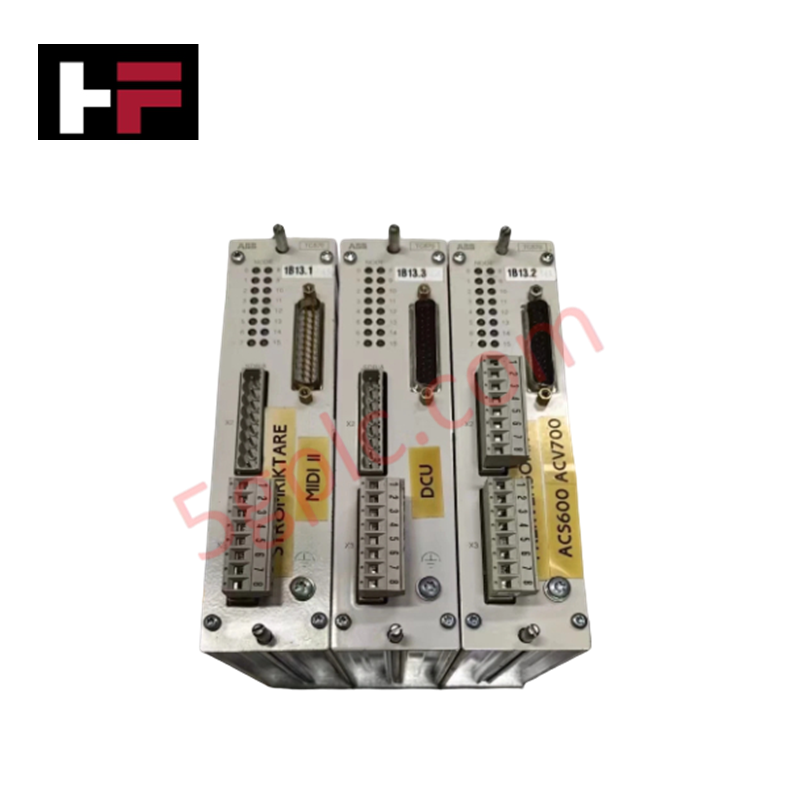
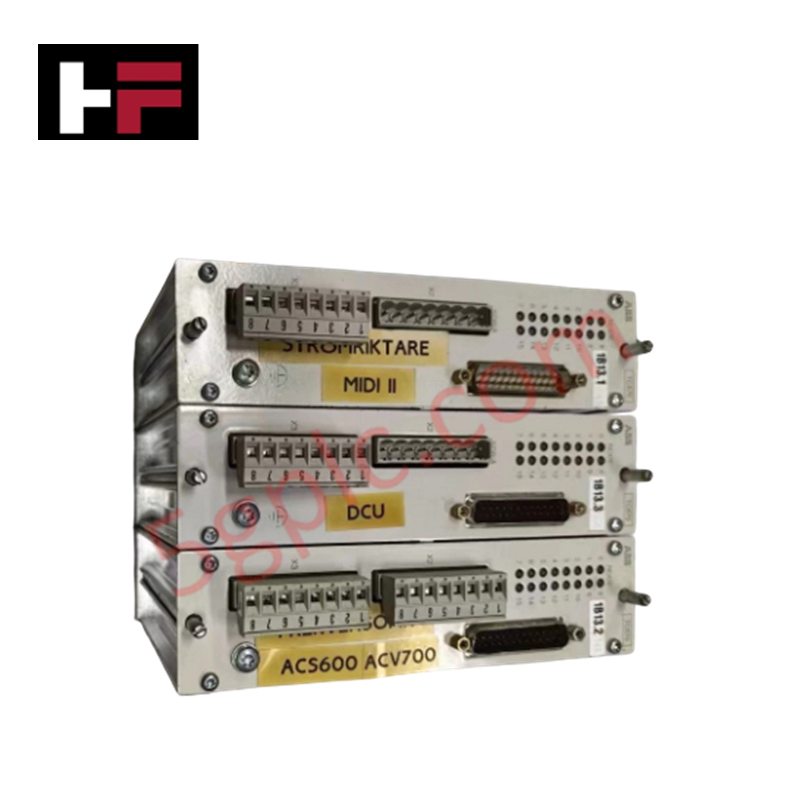
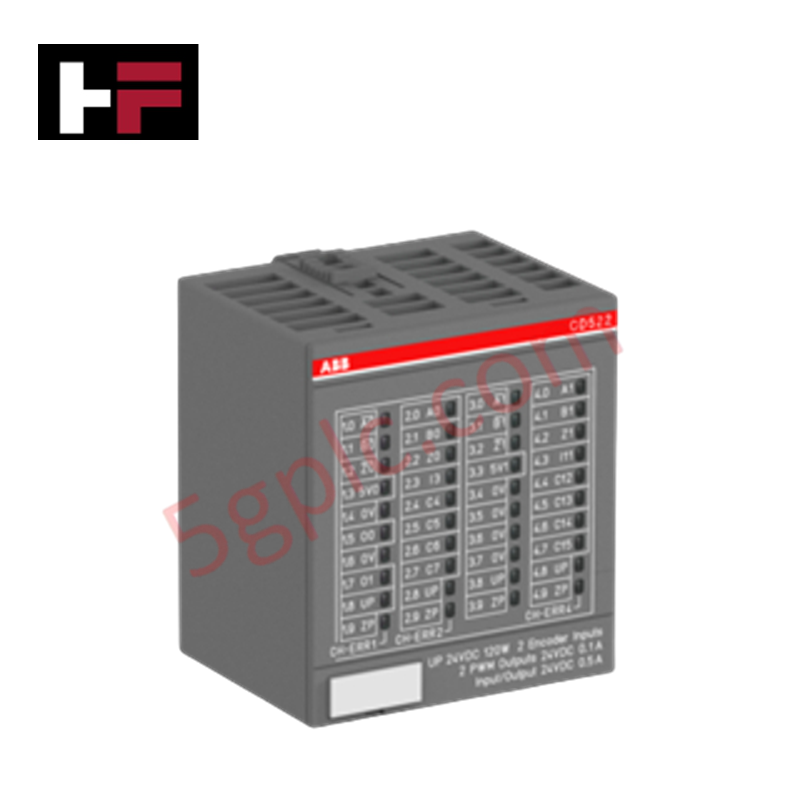
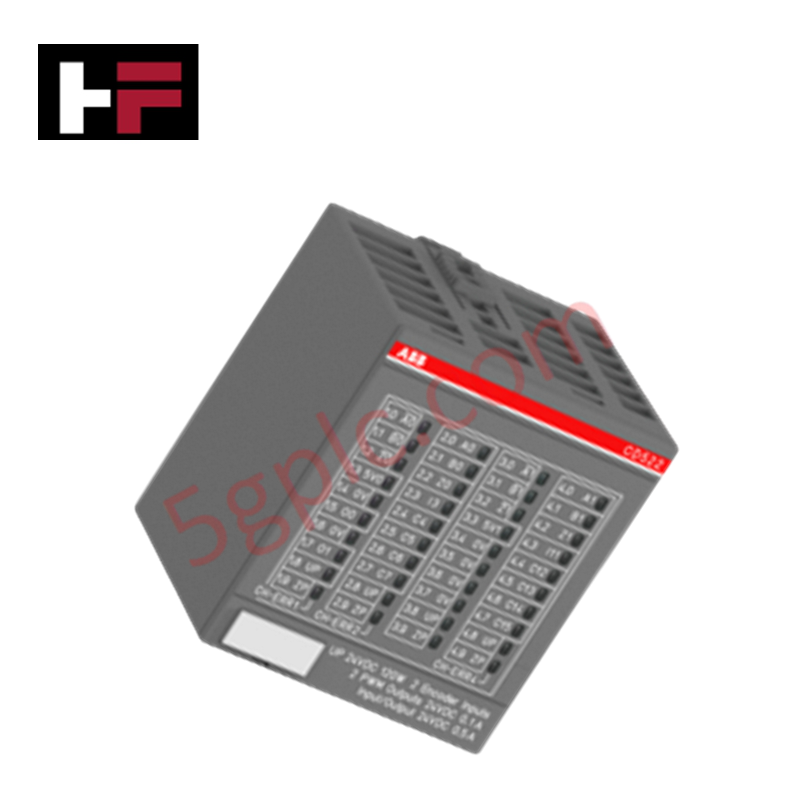
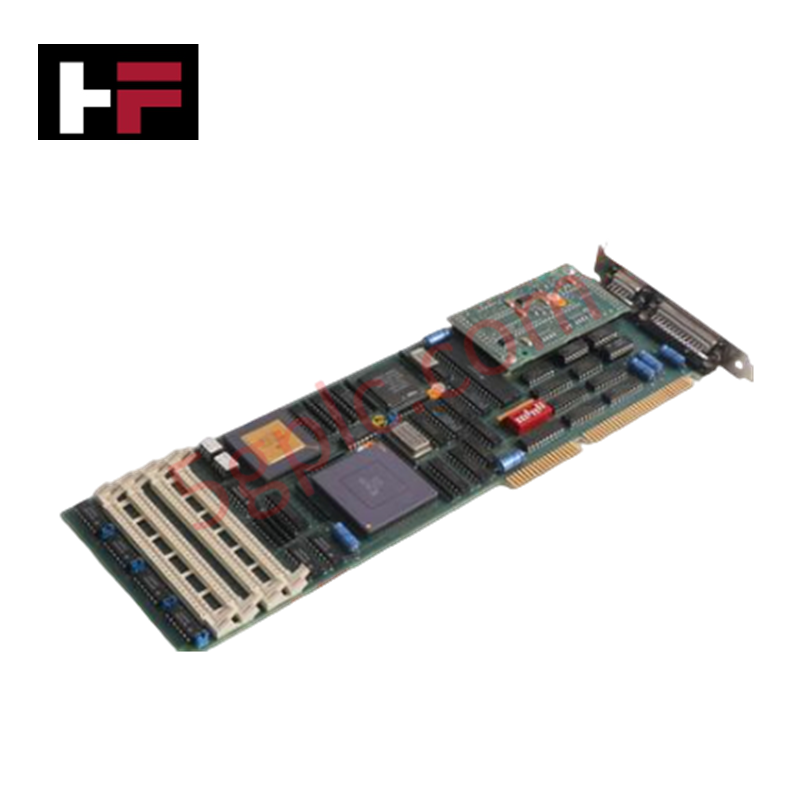
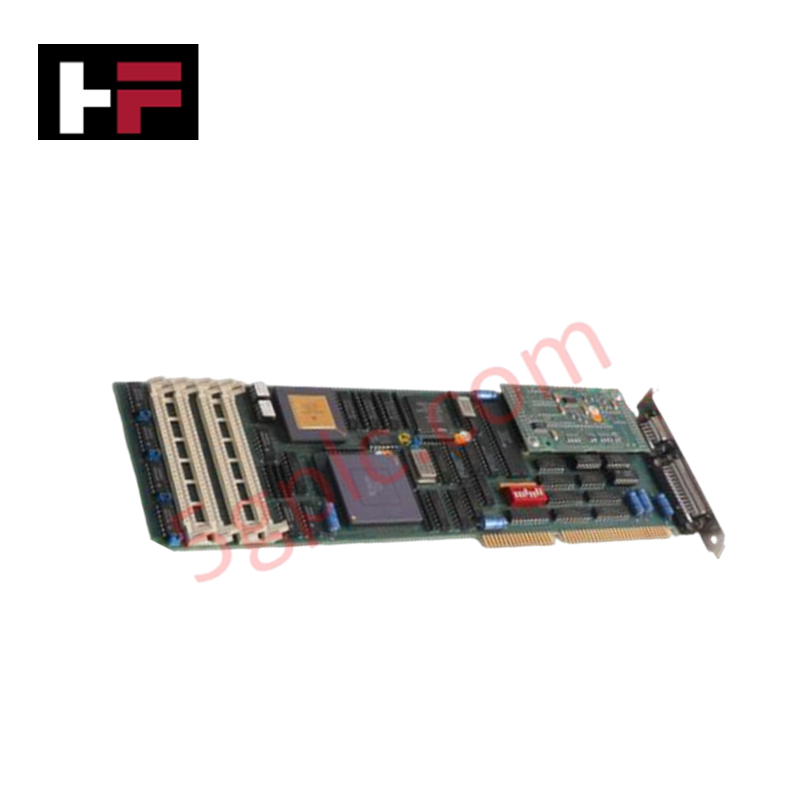
The ABB DSCS 131 57310001-LM, also cataloged as the DSCS 131 Communication Module, operates as a dedicated hardware component for localized control logic execution within Advant OCS systems. Configured for serial packet switching and high-speed protocol processing, this assembly manages multi-node master data allocation loops to provide direct physical/electrical execution of real-time command strings.
Hardware Specifications
| Parameter | Specification |
|---|---|
| Model | DSCS 131 57310001-LM |
| Brand | ABB |
| Origin | Sweden / Germany (Standard series production baseline) |
| Weight | 0.46 kg |
| Dimensions | 321.3 mm x 19.8 mm x 228.6 mm |
| Operating Temp | 0 to 55 deg C (Nominal industrial standard limits) |
| Power Consumption | Rack backplane-driven |
| Customs Tariff Number | 85389091 |
| WEEE Category | Small Equipment (No external dimension over 50 cm) |
| Product Type | Communication Modules |
Profinet / EtherNet/IP Deterministic Networks and Firmware Flash Compatibility
The processing intervals of the ABB DSCS 131 57310001-LM align tightly with design-specified backplane bus communication velocity constraints. When localized MasterFieldbus network sub-nodes interface with upper-level processing elements over Profinet or EtherNet/IP deterministic networks via master gateways, the integrated circuitry sequences dual-channel communication lines to support redundant data exchange without packet collision. The architecture handles structural parameter distribution changes smoothly during heavy I/O density scaling events, provided the sub-rack assemblies are configured to maintain matching firmware flash compatibility cross-references.
Frequently Asked Questions
Q: Does the DSCS 131 communication module support live removal or hot-swap insertion during active sub-rack operation?
A: No. The board does not contain electrical isolation switches for live bus extraction. Removing or introducing this module while the backplane power distribution network is active can induce severe transient voltage arcs, causing permanent processor halts or immediate corruption of active controller memory maps.
Q: How is a network timeout or link failure on the redundant MasterFieldbus paths handled?
A: Status validation checks must be conducted by pulling error logs from the master controller. If a channel link degradation occurs, verify the internal line termination values and confirm that all slot module versions conform to the firmware flash compatibility criteria defined for the system node.
Field Installation Guidelines
- ESD Shielding Rules: Field engineers must wear a properly adjusted, grounded electrostatic discharge (ESD) wrist strap prior to removing the communication card from its shielding enclosure to prevent latent component track failures.
- Mechanical Slide-in Sequence: Shut down all primary module and rack power sources. Slide the circuit assembly smoothly inside the chassis tracking guides to protect the backplane header pins from bending, and anchor all faceplate screws tightly.
- Data Conductive Path Separation: Route all MasterFieldbus communication cables inside low-voltage industrial raceways. Ensure a minimum physical separation of 100 mm from three-phase AC power lines or frequency drive leads to suppress electromagnetic coupling.
- Panel Climate Verification: Verify the installation environment is inside an IP 54 or better clean automation panel that mitigates ambient moisture and stops conductive soot accumulation on the unshielded trace substrates.
Additional Information
- 100% Genuine Parts: All products are original and authentic, ensuring reliable industrial performance.
- 30-Day Refund Guarantee: Return any in-stock item within 30 days in original, unopened packaging for a full refund (excluding shipping and fees).
- 12-Month Warranty: Covers defects in materials or workmanship; excludes misuse, normal wear, or unauthorized modifications.
- Worldwide Shipping: We ship via USPS, UPS, FedEx, and DHL. Delivery times vary by country and may be subject to customs or import fees.
- Support & Contact: Technical and warranty assistance is available anytime. Contact us here: Contact.
- Purchase Guidance: Check product specifications and compatibility carefully before ordering to ensure proper application.
Tech & Buying Guide

Understanding Remote Terminal Units: The Core of SCADA and Telemetry Systems

Ultimate Guide to Schneider Electric PLCs: Selecting Control Systems for Small to Medium Automation
Schneider Electric remains a dominant force in global industrial automation, delivering robust control systems across diverse sectors. For control engineers, selecting the right programmable logic controller (PLC) requires balancing budget, communication ports, and processing power. This technical breakdown explores Schneider’s small and medium portfolio, offering field-tested insights to help you optimize your next factory automation project.

Essential Maintenance Guide for PLC, DCS, and ESD Marshalling Cabinets
Marshalling cabinets serve as the vital interface between field instrumentation and your core control systems. In large-scale industrial automation, these panels house the intricate wiring for PLC, DCS, and Emergency Shutdown (ESD) systems. Regular, systematic health checks are non-negotiable to ensure operational reliability and prevent costly unplanned downtime.