










Product Details
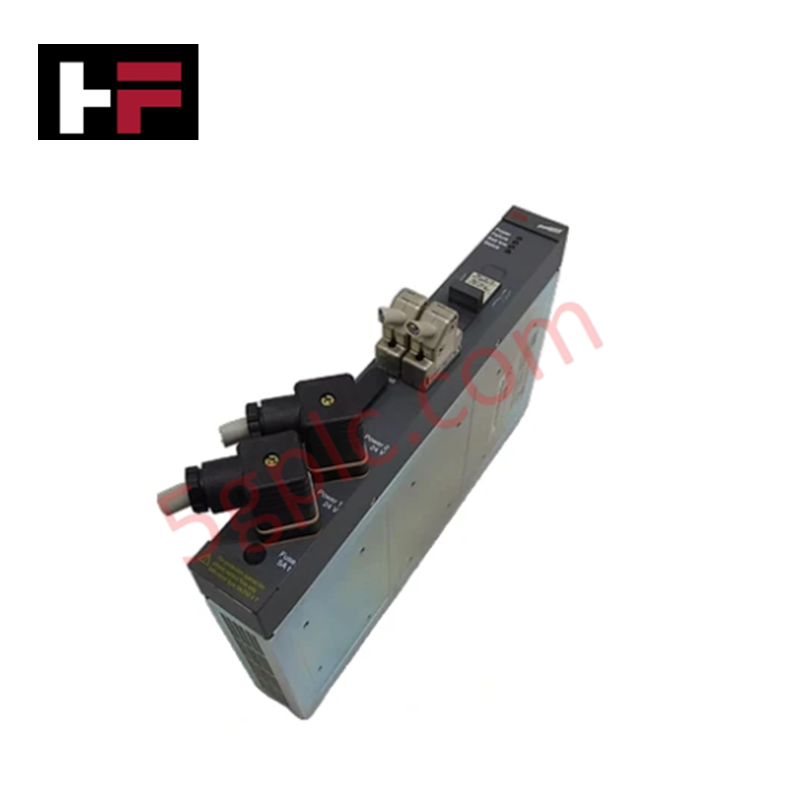
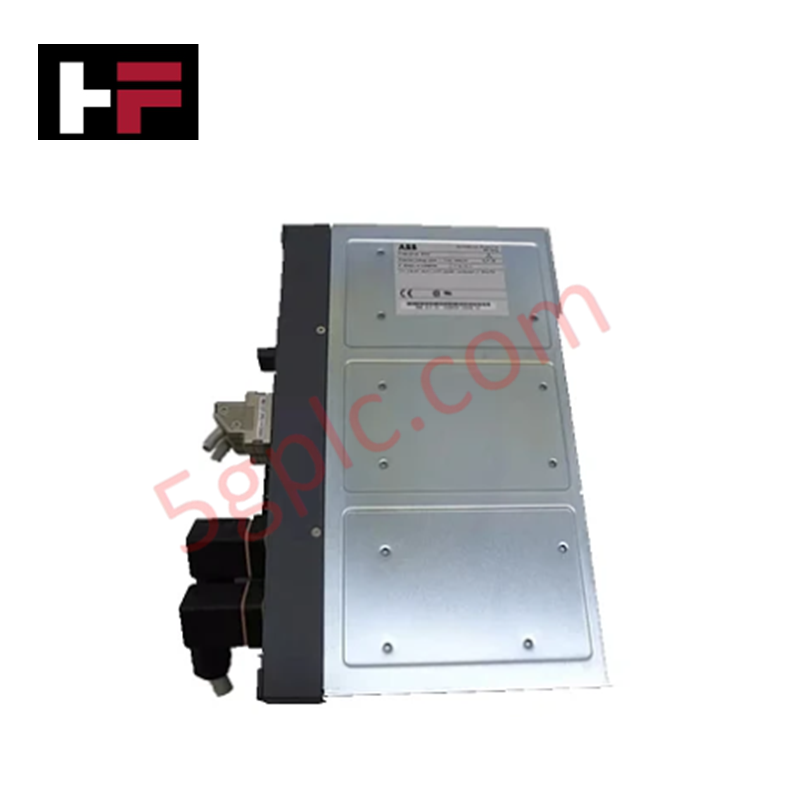
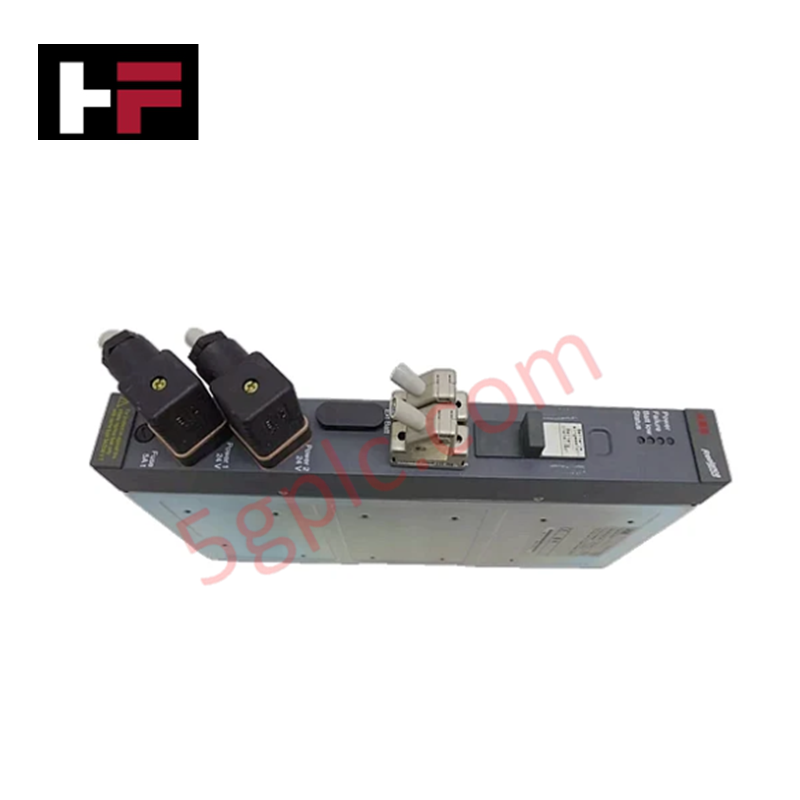
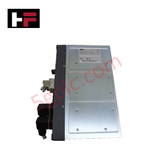
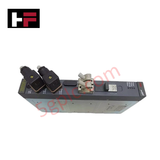
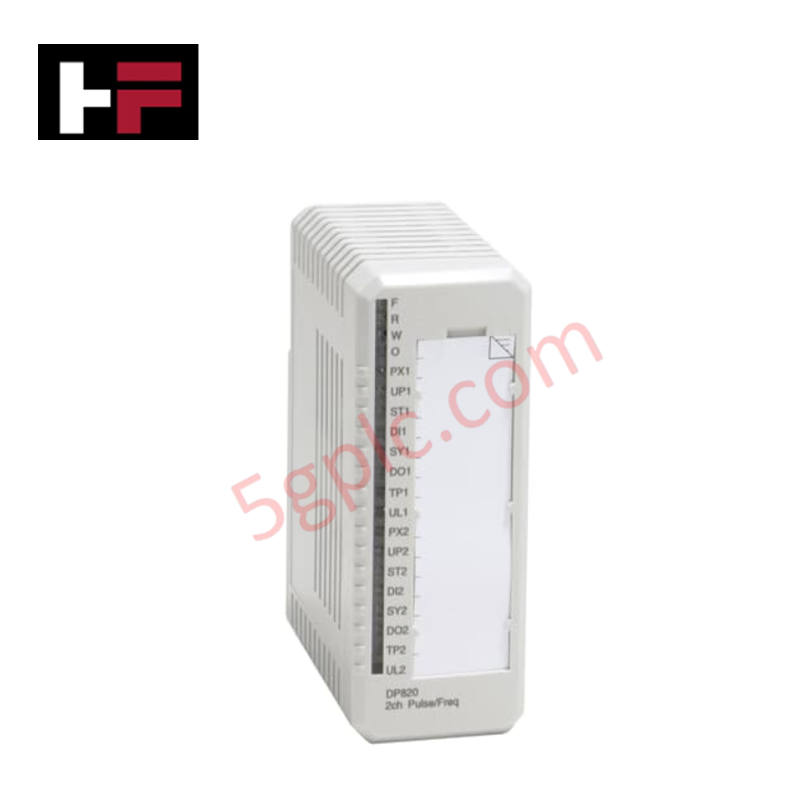
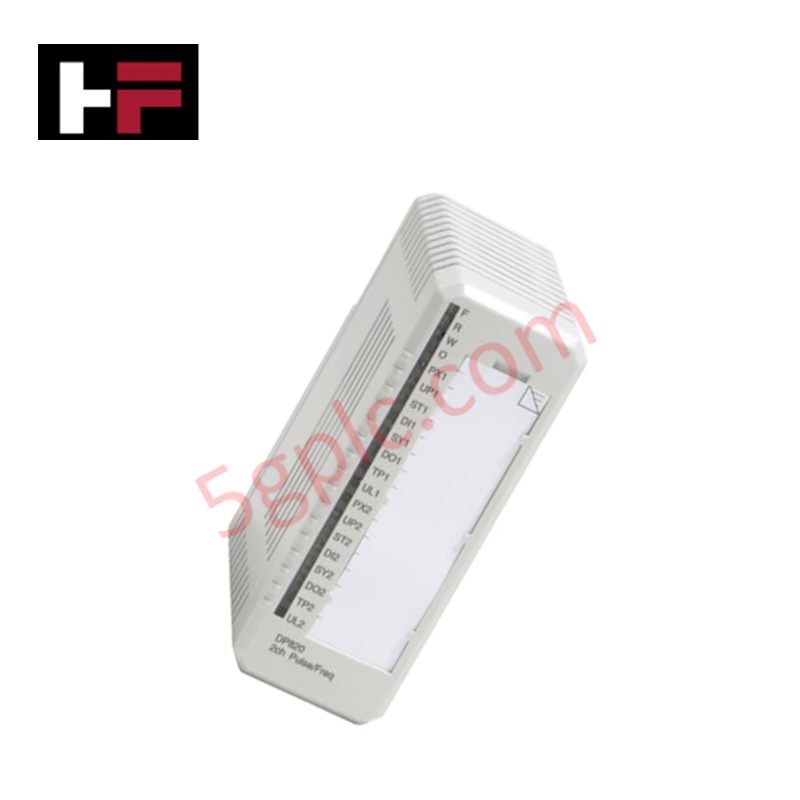
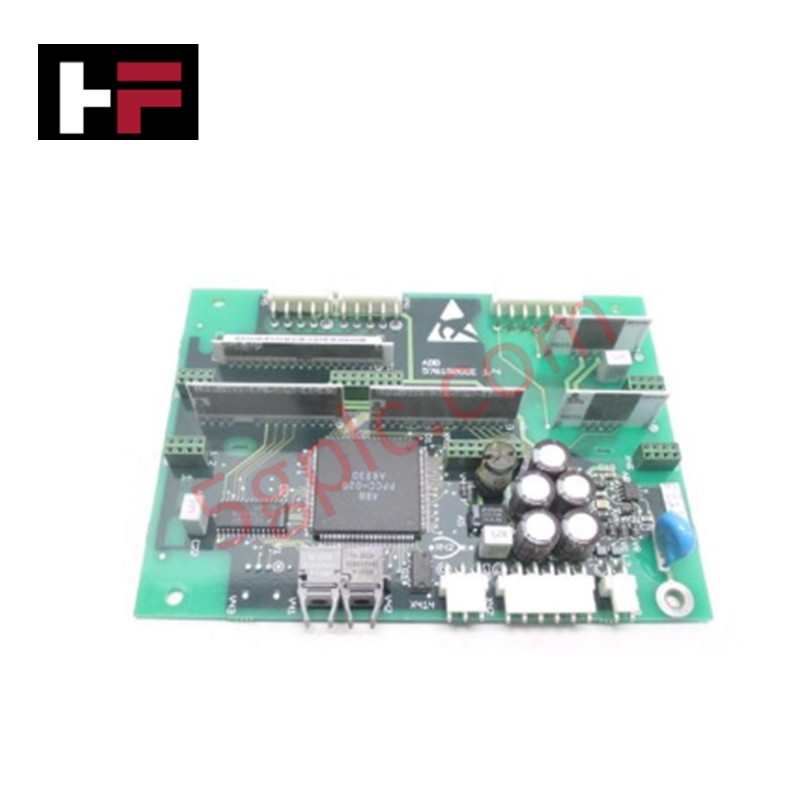
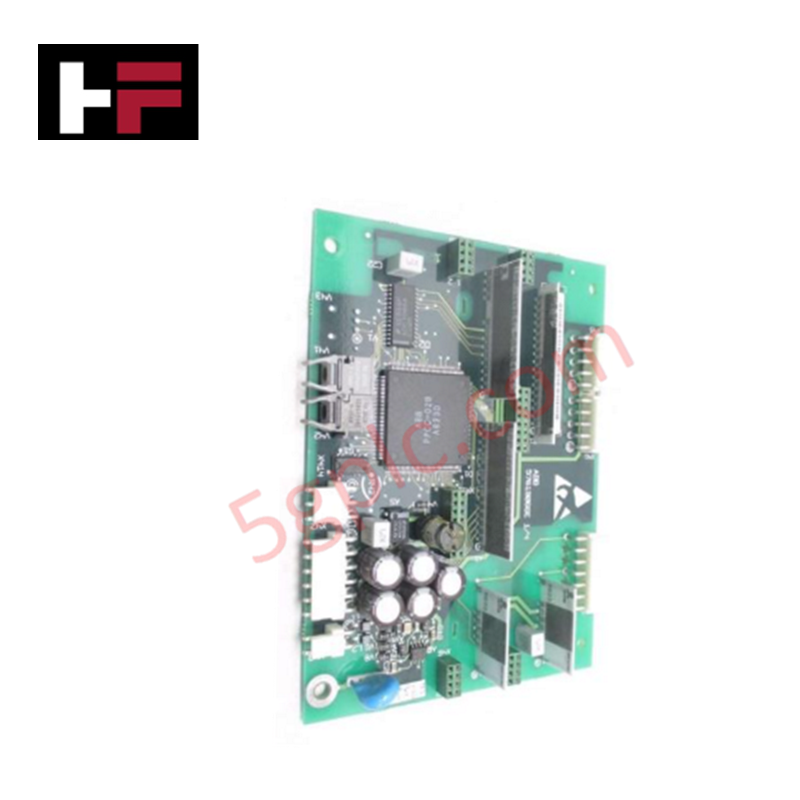
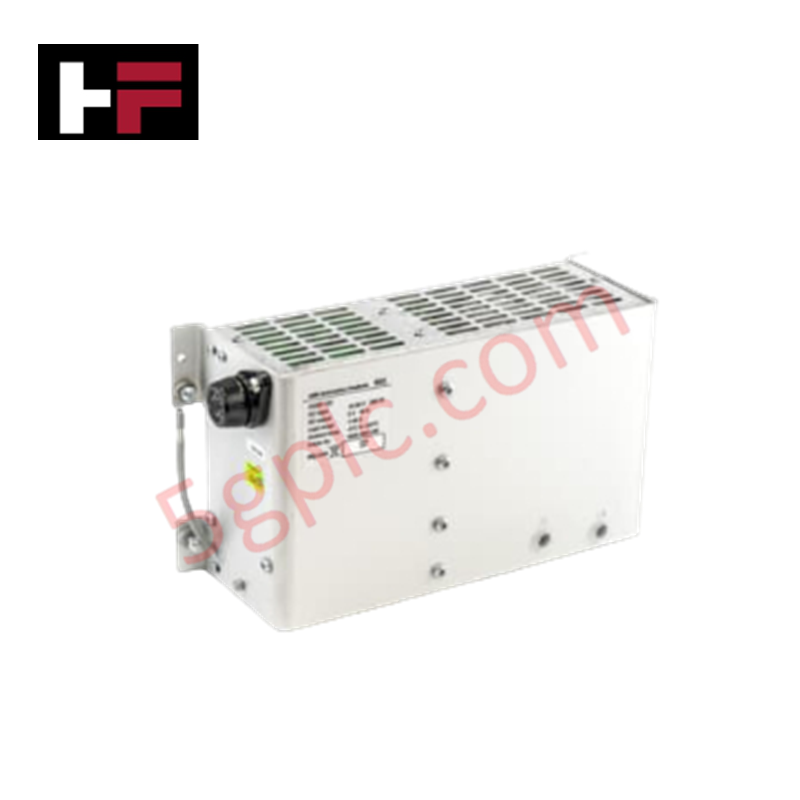
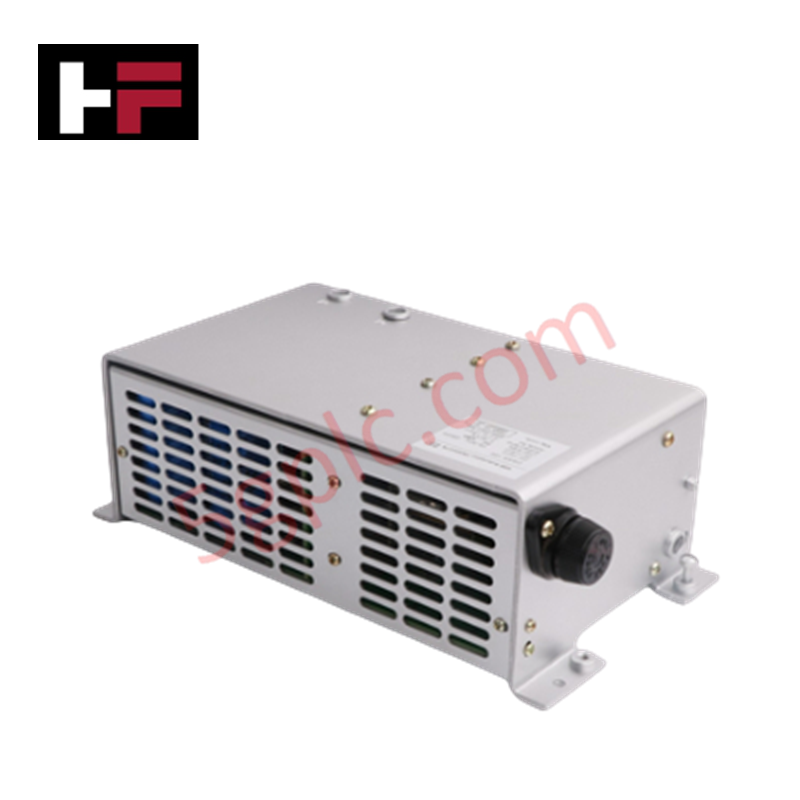
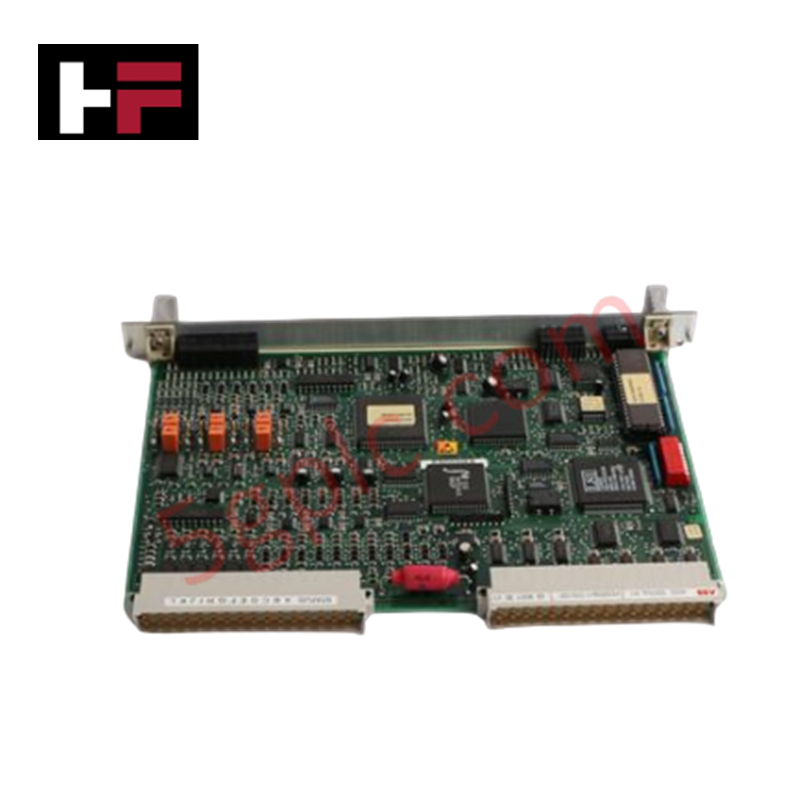
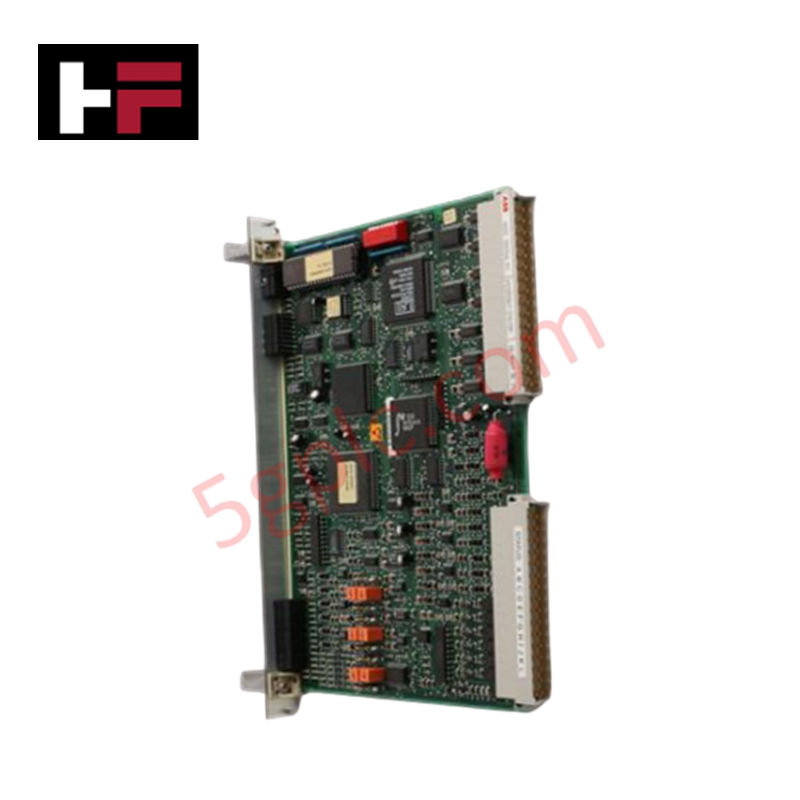
Configured for high-speed deterministic bus communication and data routing in Freelance 2000 DCS networks, the ABB P 37421-4-0338434 (DLM 02 Communication Module) provides direct physical/electrical execution. It handles data transfer protocols across industrial bus segments adhering to version 3 system specifications, interfacing directly with local controller backplanes to manage signal isolation and packet transport across communication channels.
Hardware Specifications
| Parameter | Specification |
|---|---|
| Model | DLM 02 |
| Part Number | P 37421-4-0338434 |
| Brand | ABB |
| Origin | Germany (DE) |
| Module Type | Communication / Link Module |
| Bus Protocol Compatibility | Freelance 2000 Version 3 Specification |
| Weight | 1.3 kg (2 lbs 13.0 oz) |
| Dimensions | 5.1 cm x 33.0 cm x 20.3 cm (2.0 in x 13.0 in x 8.0 in) |
| Operating Temp | 0 to 60 deg C |
| Storage Temp | -40 to 85 deg C |
| Humidity | 5% to 95% non-condensing |
| Power Consumption | Backplane bus powered via rack chassis |
Deterministic Network Routing and Firmware Flash Compatibility
The DLM 02 link module operates as a dedicated hardware bridge within the ABB Freelance 2000 Distributed Control System architecture. Data bus synchronization complies with version 3 firmware standards, preventing frame collisions on high-speed backplane channels. The module features integrated EEPROM flash memory for firmware verification during system boot cycles, maintaining deterministic signal timing across distributed process stations. Hardware isolation circuits guard backplane signals against electromagnetic interference and transient voltage spikes.
Frequently Asked Questions
Q: Is hot-swapping supported for the DLM 02 module during live controller rack operation?
A: Hot-swapping must only be performed when the rack backplane power distribution is verified stable and proper ESD protection grounds are attached. Removing the module during active Version 3 communication traffic may interrupt network loop continuity.
Q: How does the DLM 02 handle firmware version mismatches on the Freelance 2000 bus?
A: The DLM 02 requires host controller firmware aligned with Version 3 bus specifications. Firmware mismatches generate a hardware fault flag on the backplane diagnosis bus, halting execution until aligned firmware flashes are verified.
Field Installation Guidelines
- Ensure main power supplies to the target chassis are disconnected before inserting or seating the DLM 02 module into the slot.
- Verify that rack guide rails align precisely with the module printed circuit board edges to prevent pin deflection on the rear backplane connector.
- Tighten top and bottom module retaining screws to a torque spec of 0.5 Nm to maintain chassis ground bonding and structural retention under mechanical vibration.
- Route shielded industrial communication cables with a minimum bending radius of 50 mm, keeping signal lines isolated from high-voltage AC motor drives and power lines.
- Connect cable shields directly to the cabinet ground bus bar via low-impedance grounding clamps within 10 cm of cabinet entry points.
Additional Information
- 100% Genuine Parts: All products are original and authentic, ensuring reliable industrial performance.
- 30-Day Refund Guarantee: Return any in-stock item within 30 days in original, unopened packaging for a full refund (excluding shipping and fees).
- 12-Month Warranty: Covers defects in materials or workmanship; excludes misuse, normal wear, or unauthorized modifications.
- Worldwide Shipping: We ship via USPS, UPS, FedEx, and DHL. Delivery times vary by country and may be subject to customs or import fees.
- Support & Contact: Technical and warranty assistance is available anytime. Contact us here: Contact.
- Purchase Guidance: Check product specifications and compatibility carefully before ordering to ensure proper application.
Tech & Buying Guide

Essential Motion Control Commands: A Practical Guide for Engineers
Automation engineers often rely on precise position and speed control to drive modern factory machinery. Modern industrial systems, such as Programmable Logic Controllers (PLCs) and Distributed Control Systems (DCS), depend heavily on standardized motion instructions. Mastering these commands ensures operational safety, protects mechanical components, and optimizes cycle times across production lines.
Mastering Modern Industrial Joystick Controls in Heavy Automation
Industrial joysticks play a pivotal role in human-machine interaction across heavy material handling and mobile hydraulics. These tactile controllers translate complex operator movements into precise electrical signals for PLCs, motion controllers, and DCS networks. Consequently, selecting and installing the right joystick architecture ensures operator safety, reduces fatigue, and optimizes equipment performance.

Navigating Industrial Automation Failures: Types, Causes, and Mitigation Strategies
Modern manufacturing relies heavily on automated control systems to maximize throughput and maintain product quality. However, unplanned downtime in industrial automation can cost facility operators thousands of dollars per hour. Understanding how programmable logic controllers (PLCs), distributed control systems (DCS), and field instrumentation fail empowers engineering teams to implement robust preventive maintenance strategies.