










Product Details
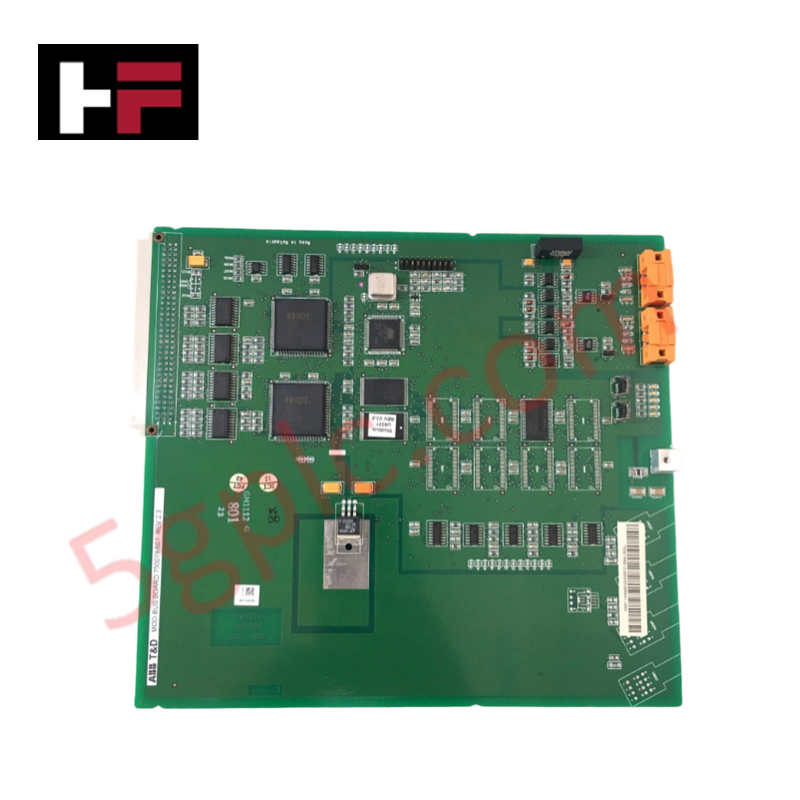
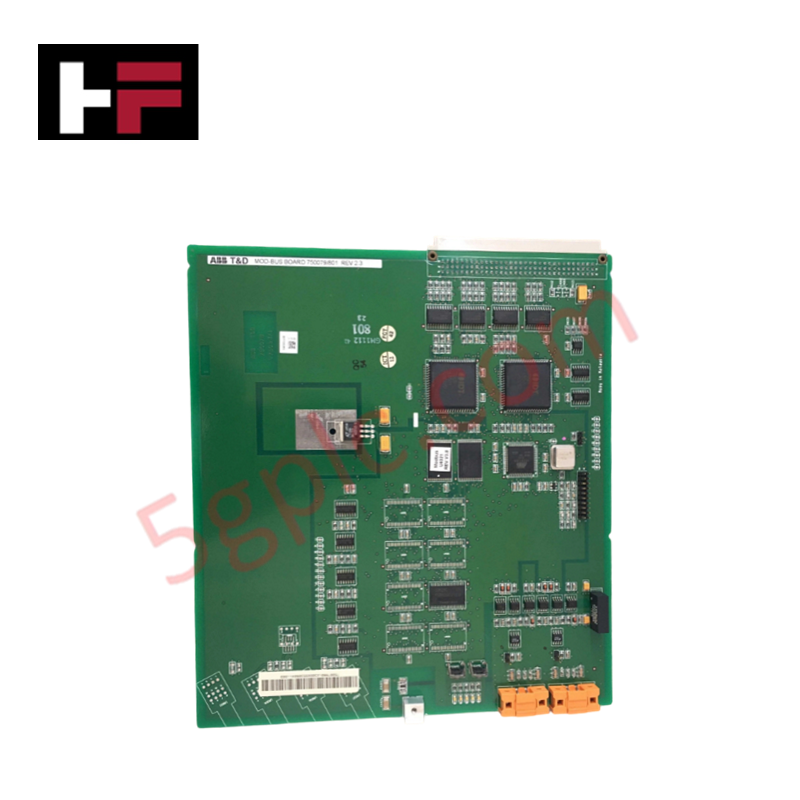
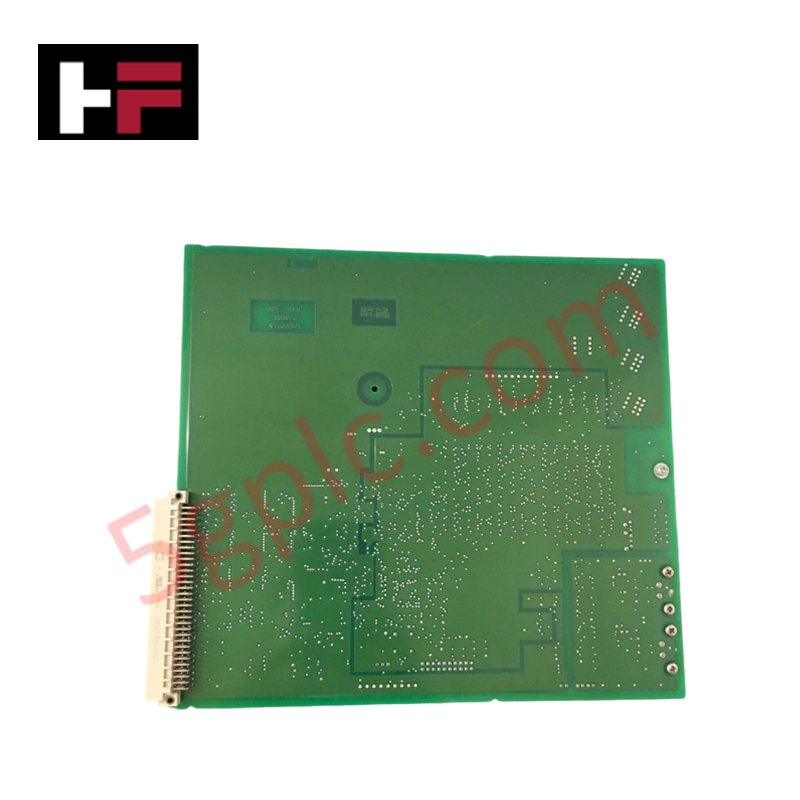
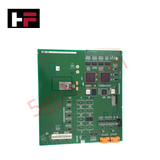
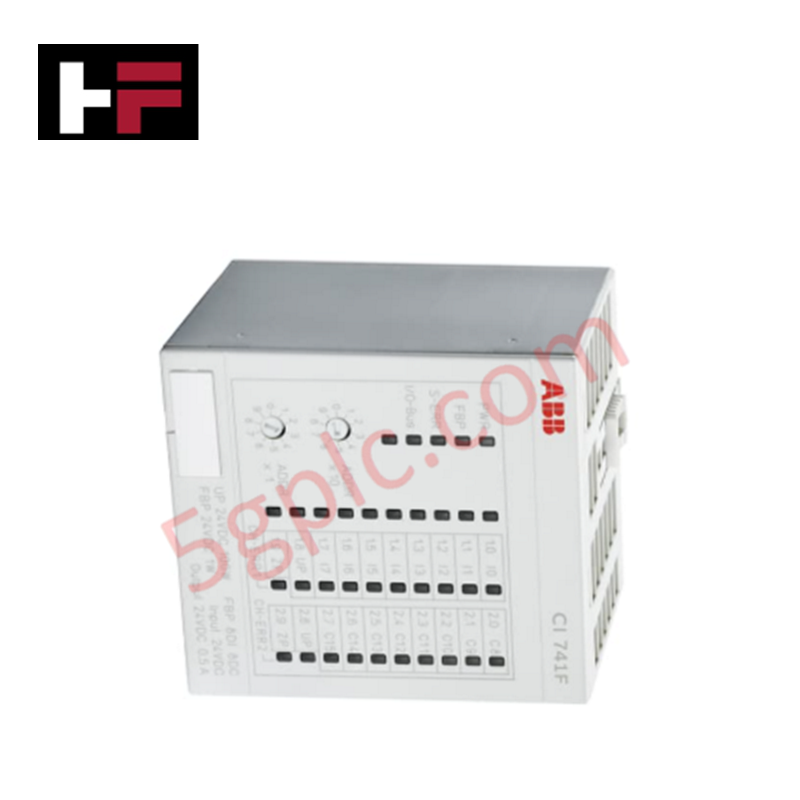
The ABB 1VCF750079R801, also cataloged as the 1VCF750079R801 COM MODBUS (RS485) Module, operates as a dedicated hardware component for serial data translation within ABB industrial automation networks.
Hardware Specifications
| Parameter | Specification |
| Model | 1VCF750079R801 |
| Brand | ABB |
| Origin | Germany / Switzerland |
| Weight | 0.28 kg |
| Dimensions | 22.5 mm x 75 mm x 110 mm |
| Operating Temp | -20 to +70 deg C |
| Power Consumption | 1.2 W |
| Power Supply Voltage | 12-24 V DC |
| Current Consumption | 100 mA |
| Communication Protocol | MODBUS RTU |
| Interface Type | RS485 |
| Baud Rate | Configurable, standard MODBUS speeds supported |
| Mounting Type | DIN rail or panel mount |
| Housing Material | Industrial grade, flame-resistant plastic |
| Storage Temperature | -40 to +85 deg C |
Profinet / EtherNet/IP Deterministic Networks and Serial Mapping
The serial transceiver architecture of the hardware module provides direct mapping between the RS485 physical layer and host controller backplane configurations. When bridging legacy Modbus RTU telemetry into Profinet / EtherNet/IP deterministic networks, the interface handles frame translation via its internal buffer memory to prevent data collision. The configurable baud rate engine aligns with standard serial speeds, optimizing timing execution metrics across the RS485 bus structure. This configuration maintains deterministic scan times without altering the primary controller firmware flash compatibility matrices.
Frequently Asked Questions
Q: How is the RS485 bus termination handled within this module?
A: The module requires external termination resistors (typically 120 ohms) across the positive and negative differential lines if the device is positioned as the final node on the physical RS485 network segment.
Q: What are the consequences of power supply fluctuations outside the 12-24 V DC range?
A: Drops below 12 V DC trigger the internal low-voltage lockout circuit, disabling the serial transceiver stages. Voltage inputs exceeding 24 V DC increase thermal loads on the internal regulators and risk component degradation.
Q: Does the unit support hot-swap replacement while the backplane communication network is active?
A: Physical insertion or removal must only occur when the 12-24 V DC field power and logic lines are isolated to avoid generating transient electrical spikes across the shared RS485 communication line.
Field Installation Guidelines
-
DIN Rail Mounting Stability: Clip the module onto a standard 35 mm DIN rail. Ensure the plastic retention clip fully engages to prevent axial displacement caused by low-frequency industrial vibrations.
-
RS485 Wiring and Shielding: Use twisted-pair shielded cable for the RS485 interface. Continuous shielding must be maintained across the entire network run, with the shield layer grounded at a single point to prevent ground loops.
-
Thermal Clearance Management: Maintain a minimum of 10 mm vertical and horizontal spacing from adjacent components when mounting onto a panel to ensure unhindered passive thermal dissipation across the flame-resistant plastic housing.
-
Power Separation: Route the 12-24 V DC power supply lines separate from high-voltage AC execution wiring inside the cabinet trunking to minimize electromagnetic noise coupling.
Additional Information
- 100% Genuine Parts: All products are original and authentic, ensuring reliable industrial performance.
- 30-Day Refund Guarantee: Return any in-stock item within 30 days in original, unopened packaging for a full refund (excluding shipping and fees).
- 12-Month Warranty: Covers defects in materials or workmanship; excludes misuse, normal wear, or unauthorized modifications.
- Worldwide Shipping: We ship via USPS, UPS, FedEx, and DHL. Delivery times vary by country and may be subject to customs or import fees.
- Support & Contact: Technical and warranty assistance is available anytime. Contact us here: Contact.
- Purchase Guidance: Check product specifications and compatibility carefully before ordering to ensure proper application.






Tech & Buying Guide

Demystifying the DDE Protocol in Legacy Industrial Automation Systems
Modern control systems rely heavily on seamless interprocess communication to exchange operational data between software programs. Microsoft first introduced the Dynamic Data Exchange (DDE) protocol in 1987 to enable real-time data sharing. In factory automation, DDE served as an early bridge between control software and Windows desktop applications. Therefore, understanding DDE mechanics provides crucial insights into how legacy industrial networks established software-level connectivity.

Demystifying CPU Communication Ports in Siemens PLC Architectures
Industrial automation relies heavily on robust data exchange between devices. Without seamless connectivity, field instruments, network switches, human-machine interfaces, and programmable logic controllers cannot coordinate effectively. Therefore, understanding the various CPU communication ports available in Siemens hardware ensures efficient factory automation design and seamless system integration.

Mastering the Siemens PLC Scan Cycle: How the CPU Executes Automation Programs
Industrial automation relies heavily on programmable logic controllers (PLCs) to manage complex manufacturing processes. Many engineers dive straight into programming without mastering the underlying architecture. However, understanding how a PLC CPU executes a program ensures reliable system design. Therefore, mastering the scan cycle optimizes both performance and troubleshooting in modern control systems.