
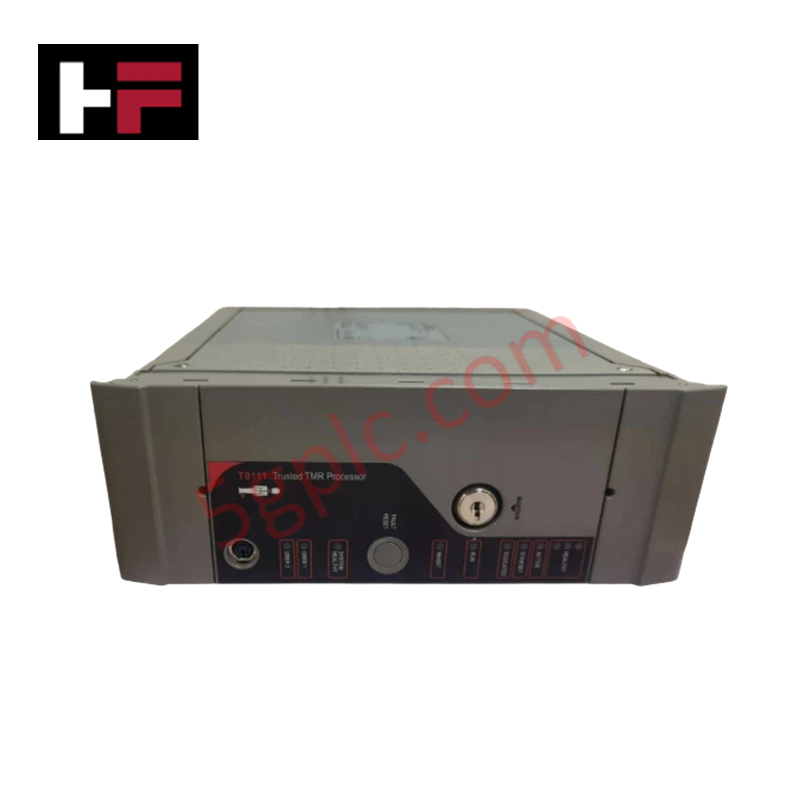
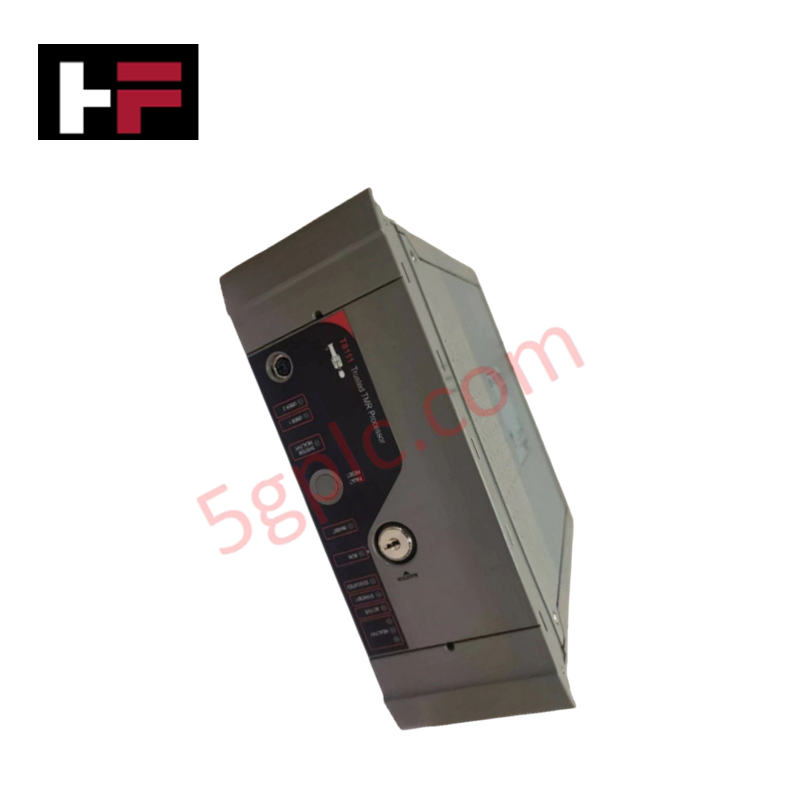
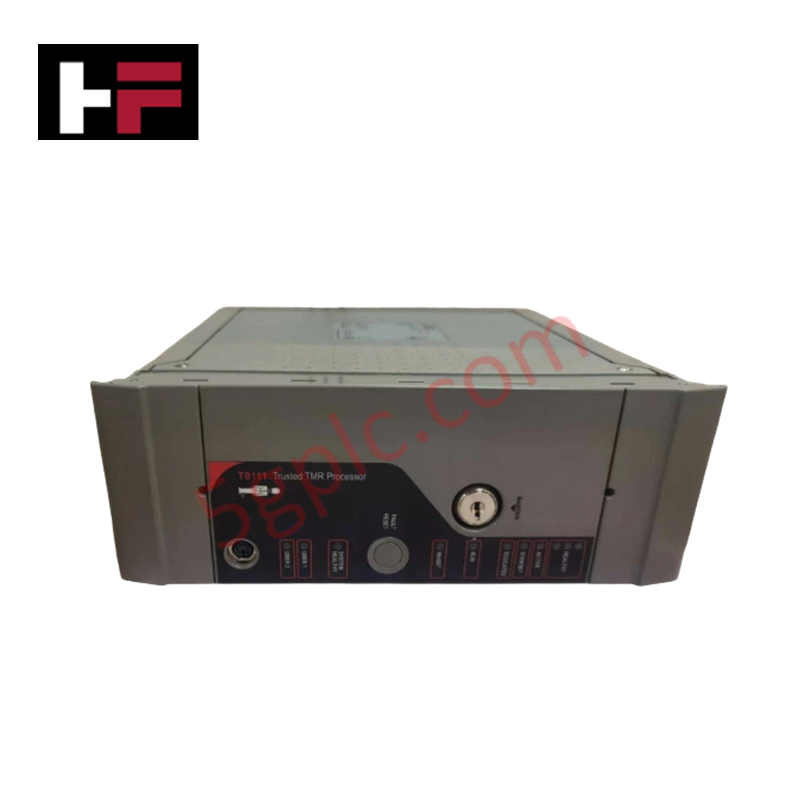
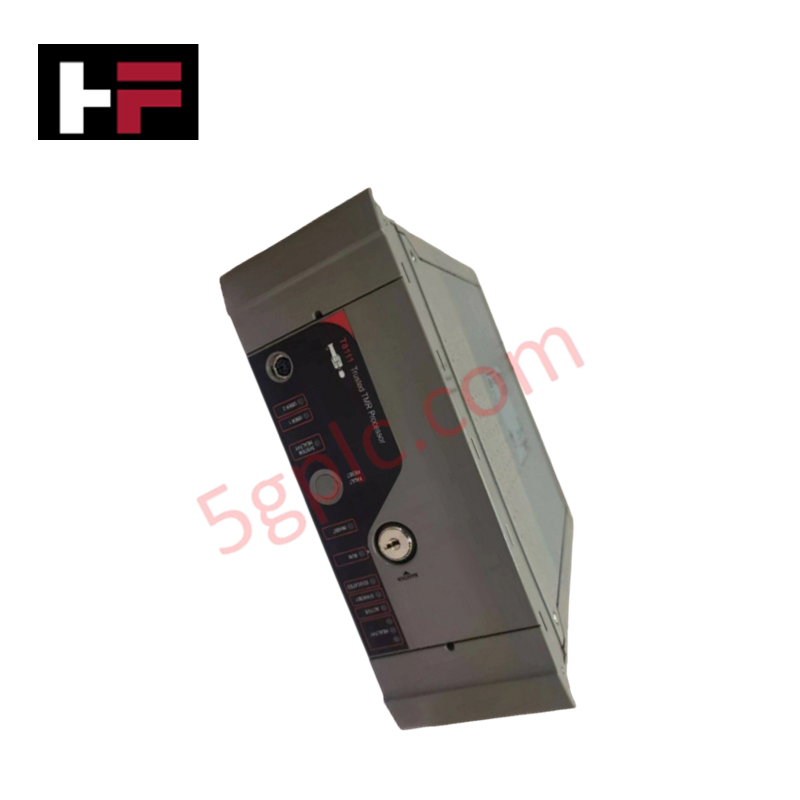
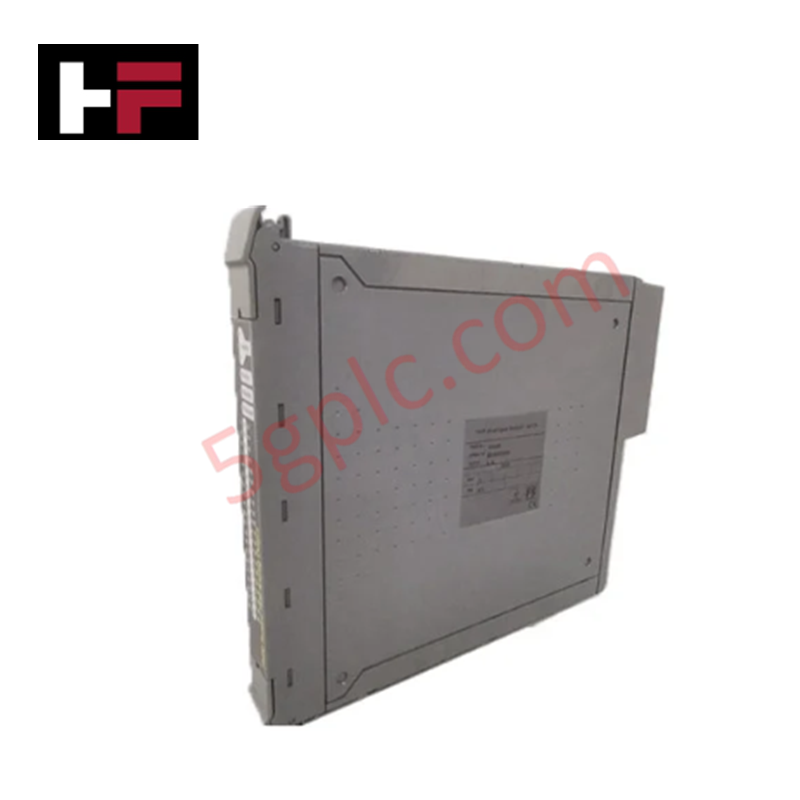
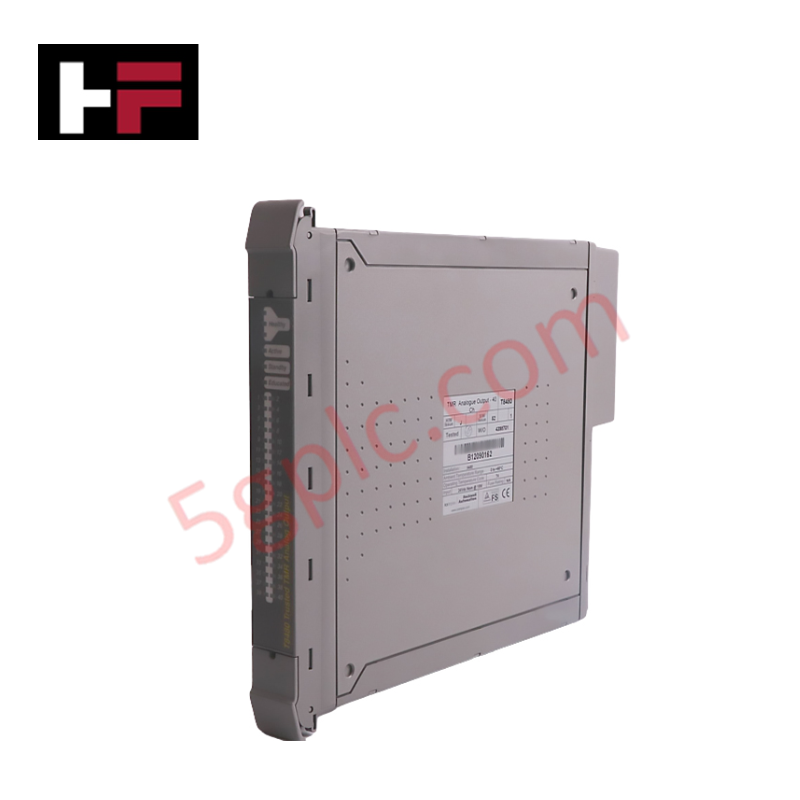


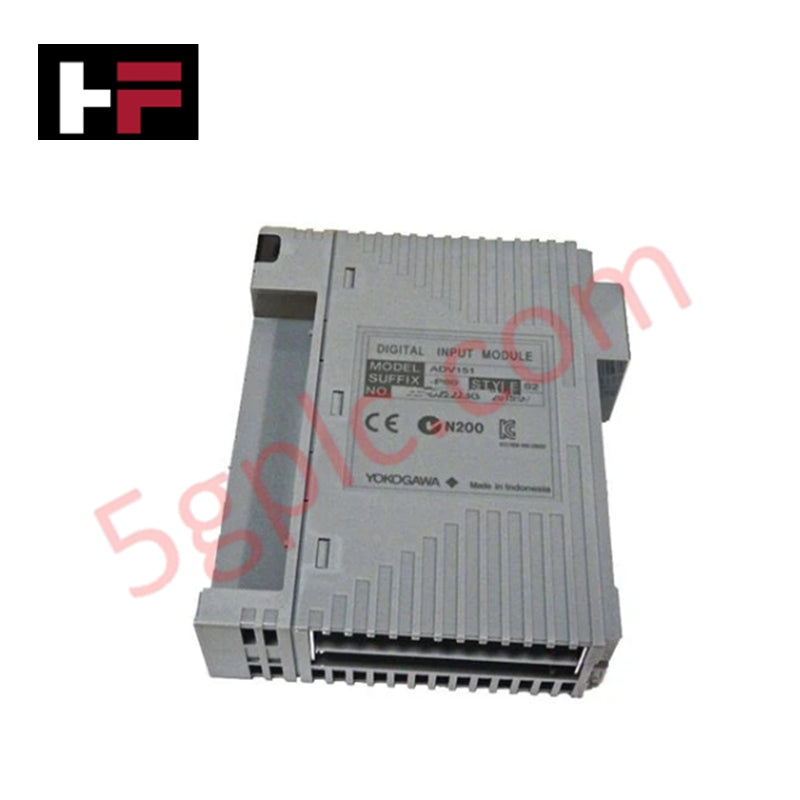
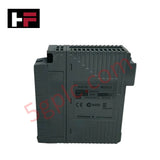
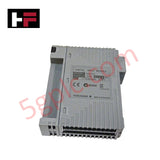
Product Details
Product Overview
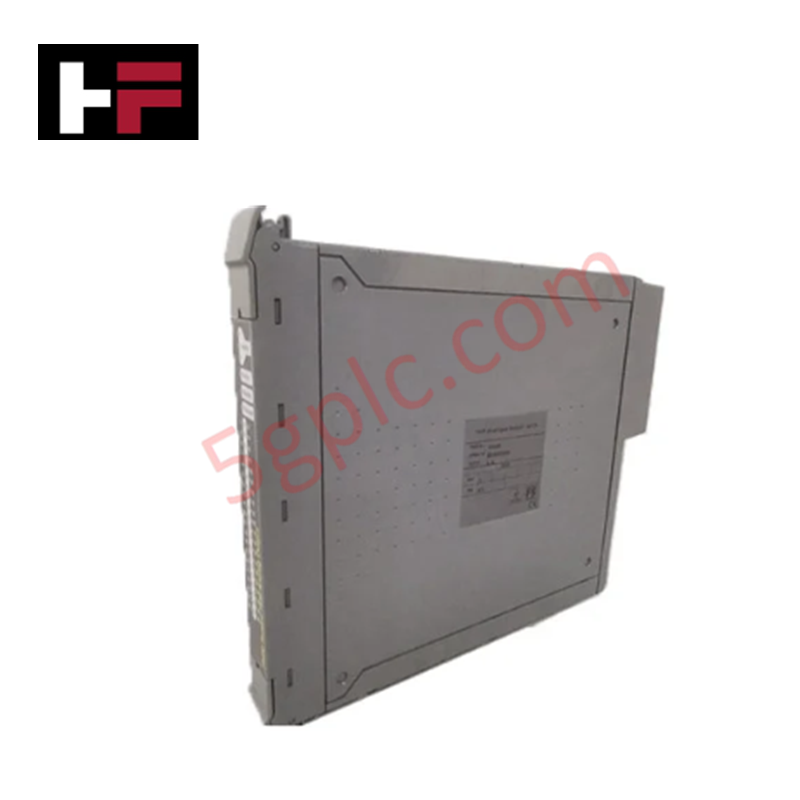
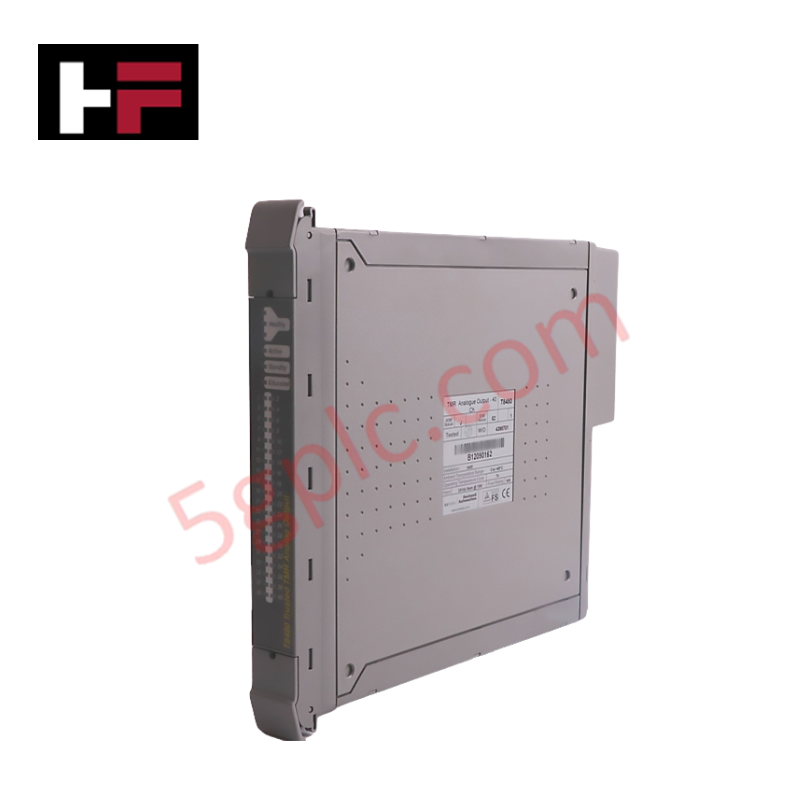
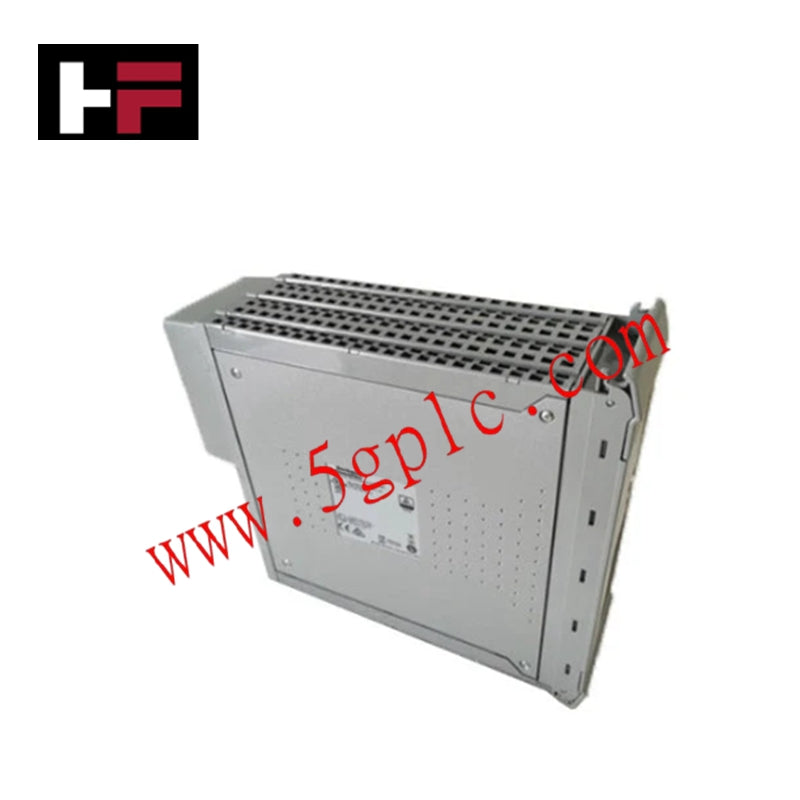
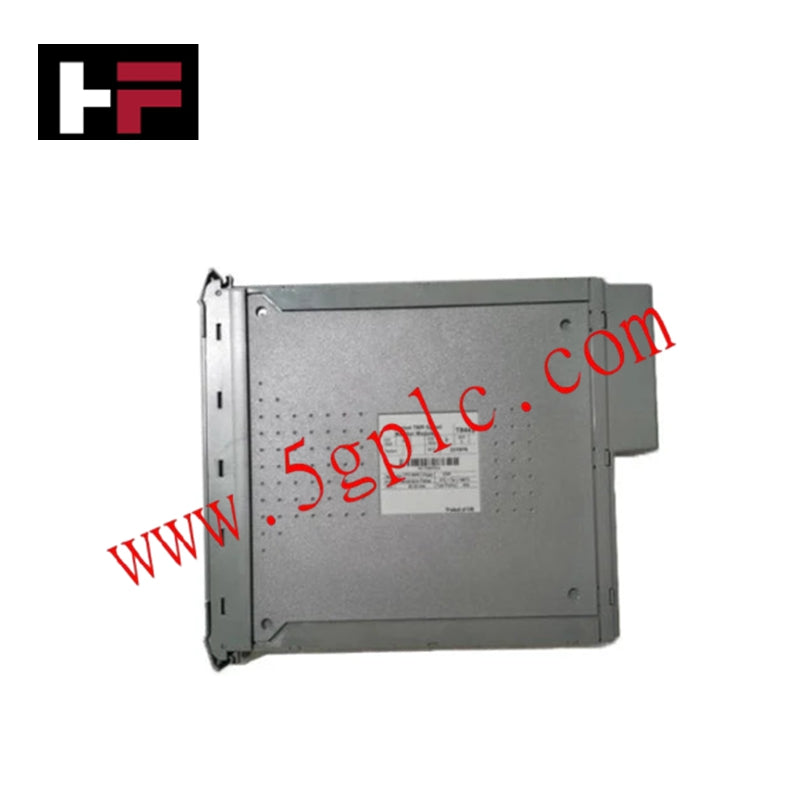
The Yokogawa AAV144-S50 integrates precision pressure sensing with advanced HART communication protocols to deliver critical process data in demanding industrial environments. This 2-wire transmitter converts mechanical pressure into a stable 4-20mA signal, allowing operators to monitor system integrity in real-time. We provide this unit as a 100% Brand New and Original factory-sealed product, guaranteeing compliance with strict engineering standards.
Part Number Breakdown: AAV144-S50
The Yokogawa AAV144 series follows a specific configuration logic to match specialized field requirements:
| Suffix Code | Feature Category | Specification Details |
| AAV144 | Base Model | High-Performance Pressure Transmitter |
| -S | Product Type | Standard Industrial Version |
| 5 | Output/Comm | 4-20mA DC with HART Digital Communication |
| 0 | Option | Basic Configuration / No Special Options |
Technical Specifications
The AAV144-S50 utilizes high-grade metallurgy and electronics to maintain signal fidelity:
-
Measuring Range: Selectable from 0-0.5 MPa up to 0-50 MPa
-
Output Signal: 4-20mA + HART (2-wire loop powered)
-
Accuracy: ±0.1% FS (includes linearity, hysteresis, and repeatability)
-
Wetted Materials: Hastelloy C276 Diaphragm / SUS316L Body
-
Process Connection: 1/2" NPT male or DIN 16288 flange
-
Operating Voltage: 10.5 to 42V DC
-
Protection Rating: IP67 / NEMA 4X
-
Temperature Limits: Process: -40°C to 120°C | Ambient: -30°C to 80°C
Engineering Advantages
The AAV144-S50 solves common site-specific challenges through robust hardware design:
-
Corrosion Resistance: The Hastelloy C276 diaphragm resists aggressive chemical media and sour gas environments, preventing diaphragm rupture and premature sensor failure in volatile process loops.
-
Environmental Sealing: The IP67-rated housing protects internal electronics from high-pressure water jets and dust ingress. This ensures long-term deployment in outdoor installations or wash-down areas without signal drift.
-
HART Intelligence: The digital HART overlay allows engineers to perform remote calibration and diagnostics. This feature eliminates the need for technicians to access hazardous or cramped locations for routine maintenance.
-
Wide Thermal Range: The module operates consistently up to 120°C process temperature. This capability handles steam or high-heat fluid applications without requiring external cooling siphons in many configurations.
FAQs
-
Can the AAV144-S50 operate in hazardous areas?
The IP67/NEMA 4X rating provides excellent environmental protection. However, you must verify the specific explosion-proof (Ex) or intrinsically safe (IS) certifications on the nameplate if installing in Class I, Div 1 zones.
-
How do I adjust the measuring range?
You can re-range the device via a HART communicator or Yokogawa’s FieldMate software. The internal electronics allow you to scale the 0-0.5MPa to 0-50MPa span to fit your specific process window.
-
What is the advantage of the 2-wire loop-powered design?
This design simplifies installation by carrying both power and the 4-20mA signal over a single pair of wires. It reduces wiring costs and minimizes the complexity of the cable infrastructure.
-
Does the ±0.1% accuracy include long-term drift?
The ±0.1% FS specification covers linearity and hysteresis at the time of calibration. While the AAV144 series exhibits excellent stability, we recommend annual verification to account for extreme process-induced drift.
Additional Information
- 100% Genuine Parts: All products are original and authentic, ensuring reliable industrial performance.
- 30-Day Refund Guarantee: Return any in-stock item within 30 days in original, unopened packaging for a full refund (excluding shipping and fees).
- 12-Month Warranty: Covers defects in materials or workmanship; excludes misuse, normal wear, or unauthorized modifications.
- Worldwide Shipping: We ship via USPS, UPS, FedEx, and DHL. Delivery times vary by country and may be subject to customs or import fees.
- Support & Contact: Technical and warranty assistance is available anytime. Contact us here: Contact.
- Purchase Guidance: Check product specifications and compatibility carefully before ordering to ensure proper application.




Tech & Buying Guide

Optimizing Tank Level Control Using Proportional Algorithms in PLC Systems
Industrial automation engineers frequently encounter liquid level regulation challenges across diverse process plants. Traditional ON-OFF control mechanisms often disrupt system stability due to abrupt actuator switching. Therefore, upgrading to closed-loop architectures like proportional control yields smoother responses. In a typical PLC environment, such as Siemens TIA Portal, engineers utilize closed-loop feedback to minimize process errors without requiring full PID complexity.

Understanding Why Your PLC Enters Stop Mode: Causes and Troubleshooting
In industrial automation, programmable logic controllers (PLCs) serve as the core intelligence of modern factory automation and distributed control systems (DCS). Understanding how a PLC transitions between modes is vital for maintenance engineers. Typically, a PLC operates across four primary modes: Run, Stop, Start-Up, and Hold. When power is applied, the system immediately boots into Stop mode before initiating the Start-Up sequence. If the controller encounters a critical error during execution, it automatically reverts to Stop mode to prevent equipment damage. Therefore, monitoring these state transitions helps technicians maintain high system availability.

Comprehensive Guide to Servo Motor Drive Control Techniques in Industrial Automation
Precision motion control systems drive high-throughput manufacturing across modern industrial automation environments. Unlike standard induction motors running on basic variable frequency drives, servo motor systems deliver sub-millimeter positioning accuracy and fast dynamic response.