










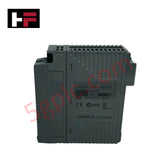
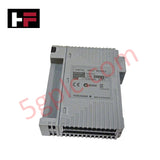
Product Details
Product Overview
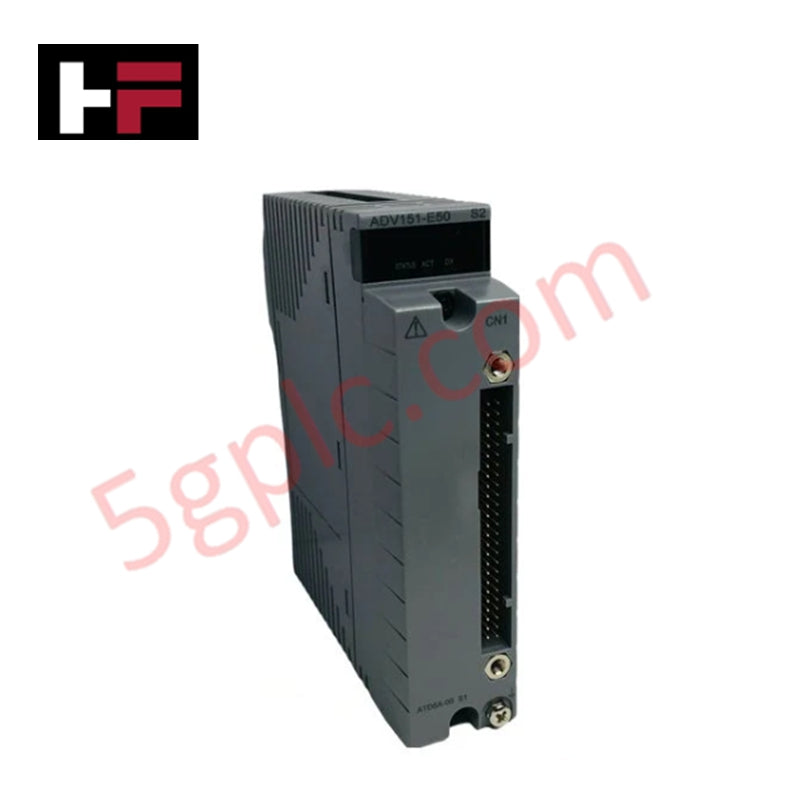
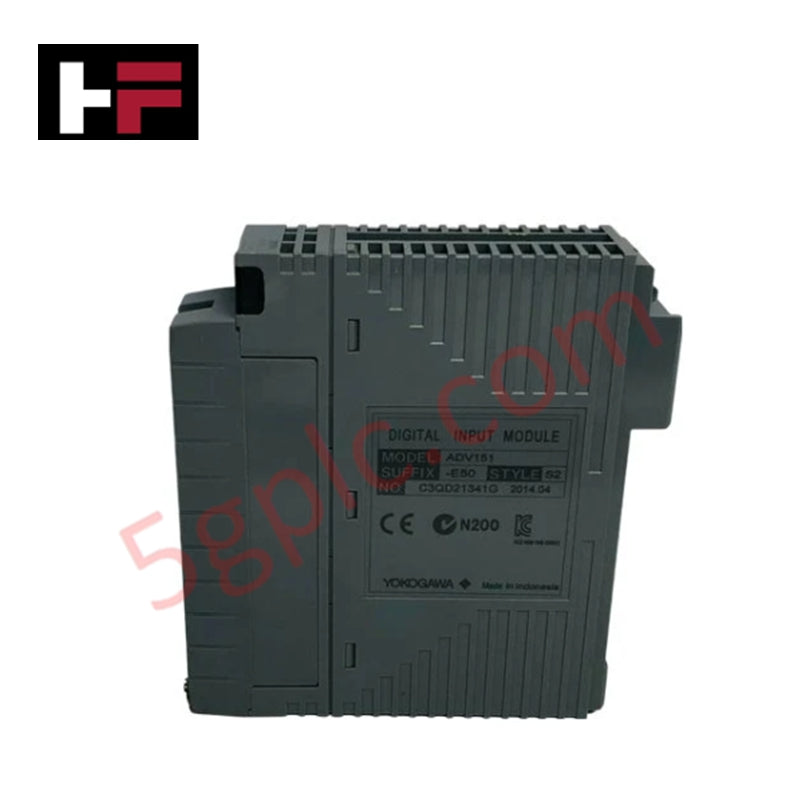
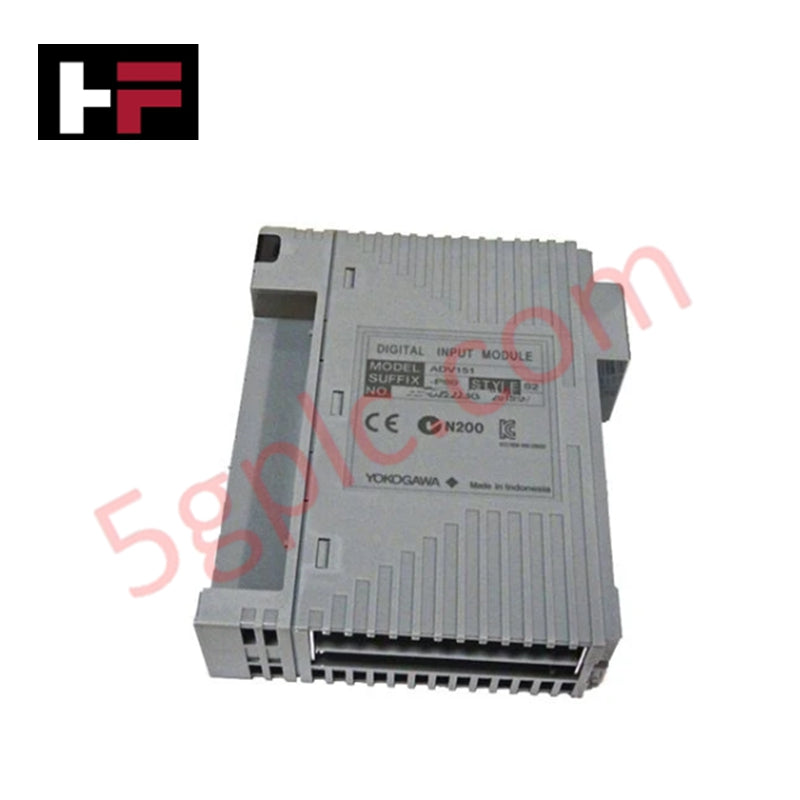
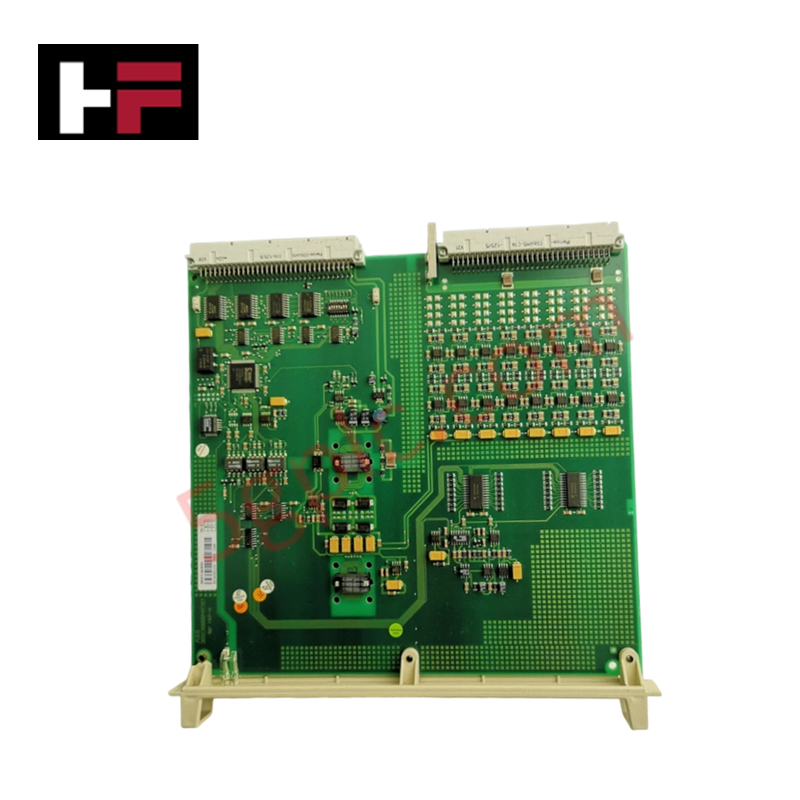
The Yokogawa AAT145-S50 functions as a versatile, high-density temperature and millivolt input interface for the CENTUM VP Integrated Production Control System. This module processes 16 isolated channels of diverse signal types, including multiple Thermocouple (TC) types, RTDs, potentiometers, and mV inputs. By consolidating various thermal and position signals into a single I/O slot, the AAT145-S50 provides critical process data to the controller with exceptional precision and electrical isolation.
Part Number Breakdown
Yokogawa hardware utilizes a specific suffix logic to define the functional and safety profile of the AAT145 series:
-
AAT145: TC/mV/RTD/POT Input Module (16-channel, Isolated)
-
-S: Standard functional type for universal industrial applications
-
5: Configured without explosion protection (for safe zone installation)
-
0: Basic environmental type with standard factory coating
Technical Specifications
The AAT145-S50 provides high-resolution data acquisition through the following technical parameters:
-
Input Channels: 16 isolated channels
-
Input Signals: TC (J, K, E, B, R, S, T, N), mV, RTD, POT
-
Accuracy (TC): $\pm 40\ \mu V$
-
Accuracy (RTD): $\pm 150\ m\Omega$
-
Accuracy (POT): $\pm 0.2\% / FS$
-
Withstanding Voltage (System to Input): 500 V AC (1 minute)
-
Withstanding Voltage (Between Channels): 200 V AC (1 minute)
-
Temperature Drift: $\pm 80\ \mu V / 10°C$ (TC); $\pm 0.3\ \Omega / 10°C$ (RTD)
-
Power Consumption: 350 mA @ 5 V DC
-
External Connection: Dedicated KS1 cable interface
Engineering Advantages
-
Multi-Signal Versatility: The AAT145-S50 handles almost all common temperature sensing elements (TC and RTD) and millivolt signals within one module. This versatility allows engineers to standardize their I/O hardware across different plant sections, simplifying spare parts inventory.
-
Superior Signal Integrity: Comprehensive isolation (500 V AC system-to-input and 200 V AC channel-to-channel) prevents ground loops and eliminates noise interference. This architecture ensures stable readings even in high-EMI environments common in power generation and heavy refining.
-
Optimized Thermal Stability: The module limits temperature drift to $\pm 80\ \mu V / 10°C$. This stability ensures measurement accuracy remains consistent despite fluctuations in the internal control cabinet temperature, reducing the need for frequent field recalibrations.
-
High-Density Wiring Solution: Utilizing the dedicated KS1 cable interface allows for a quick, secure connection to remote terminal boards. This method solves the problem of labor-intensive manual wiring for 16 separate channels and minimizes the risk of cross-wiring errors during installation.
FAQs
Is the Yokogawa AAT145-S50 supplied as a brand-new unit?
Yes. We supply this module as 100% Brand New, original equipment. It arrives in factory-sealed packaging to ensure full operational lifespan and adherence to Yokogawa's performance standards.
Which thermocouple types does this module support?
The AAT145-S50 supports Type J, K, E, B, R, S, T, and N thermocouples. You can configure individual channels via the CENTUM VP software to match the specific sensors deployed in your field application.
How does the channel-to-channel isolation protect the system?
The 200 V AC isolation between channels ensures that a surge or ground fault on one sensor does not propagate to other channels. This protects the entire signal loop and prevents a single field failure from causing multiple process alarms.
Does this module require a specific connection cable?
Yes. The AAT145-S50 requires a dedicated KS1 interface cable to connect to the terminal block. This high-density connection method ensures a secure, vibration-resistant link between the module faceplate and the field wiring terminations.
Additional Information
- 100% Genuine Parts: All products are original and authentic, ensuring reliable industrial performance.
- 30-Day Refund Guarantee: Return any in-stock item within 30 days in original, unopened packaging for a full refund (excluding shipping and fees).
- 12-Month Warranty: Covers defects in materials or workmanship; excludes misuse, normal wear, or unauthorized modifications.
- Worldwide Shipping: We ship via USPS, UPS, FedEx, and DHL. Delivery times vary by country and may be subject to customs or import fees.
- Support & Contact: Technical and warranty assistance is available anytime. Contact us here: Contact.
- Purchase Guidance: Check product specifications and compatibility carefully before ordering to ensure proper application.
Tech & Buying Guide
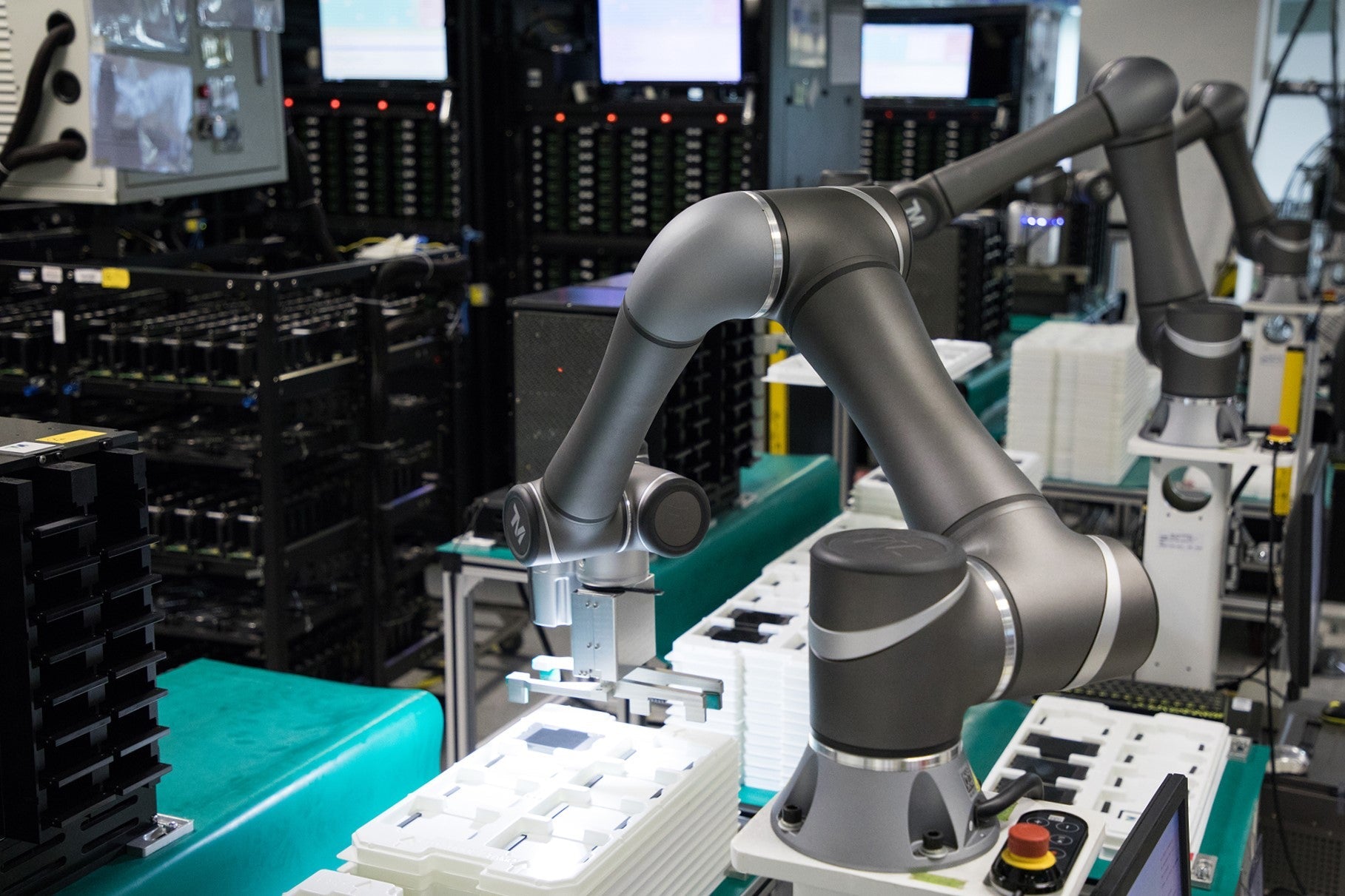
Redundant Automation Systems: Ensuring Continuous Uptime in Critical Control Infrastructure
System reliability directly determines operational profitability across high stakes process industries. Modern industrial automation platforms must eliminate single points of failure to prevent catastrophic shutdowns. Deploying fault tolerant architecture safeguards complex facilities against unexpected hardware glitches, network disruptions, and maintenance outages.

Understanding Types of Noise in Electronic Circuits and Control Systems
Signal integrity directly determines measurement accuracy and loop stability across industrial automation environments. Electronic noise introduces unwanted stochastic interference into analog loops, sensor feedback lines, and digital fieldbus networks. Understanding how intrinsic electronic noise and external electromagnetic interference manifest allows control engineers to optimize signal conditioning and shield sensitive instrumentation effectively.

Why 24V DC Power Supplies Standardize Modern Industrial Automation
Industrial control cabinets worldwide rely on 24V DC as the universal power standard for field instrumentation, sensors, and controllers. Walk into any manufacturing plant, and you will find PLCs, human-machine interfaces (HMIs), and smart actuators running on extra-low voltage DC. Standardizing on 24V DC enhances operational safety, lowers cabinet footprint, and maintains steady control performance across factory networks.