










Product Details
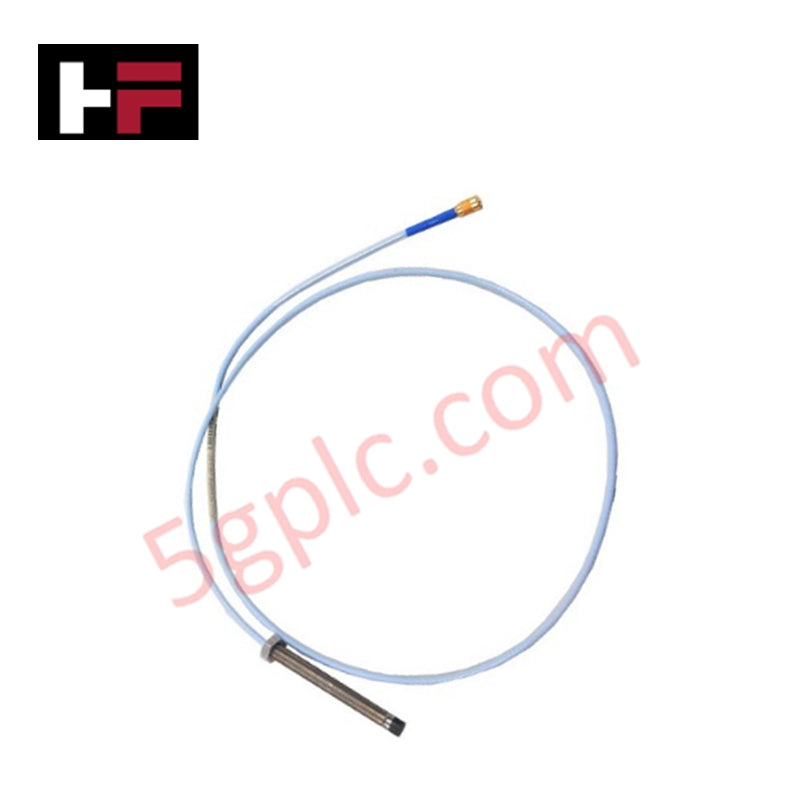
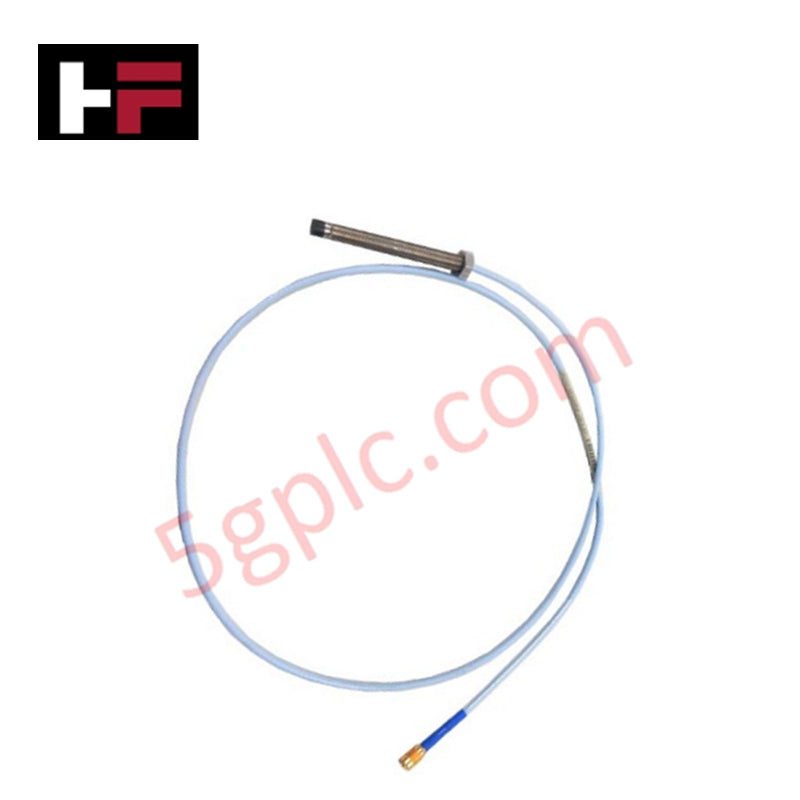
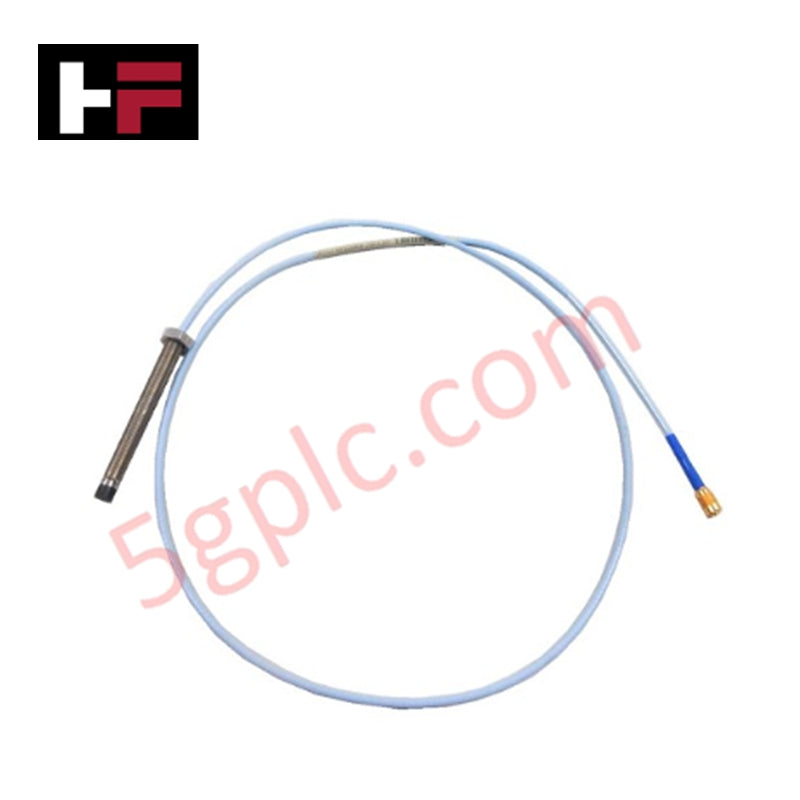
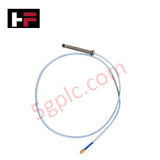
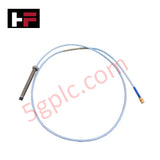
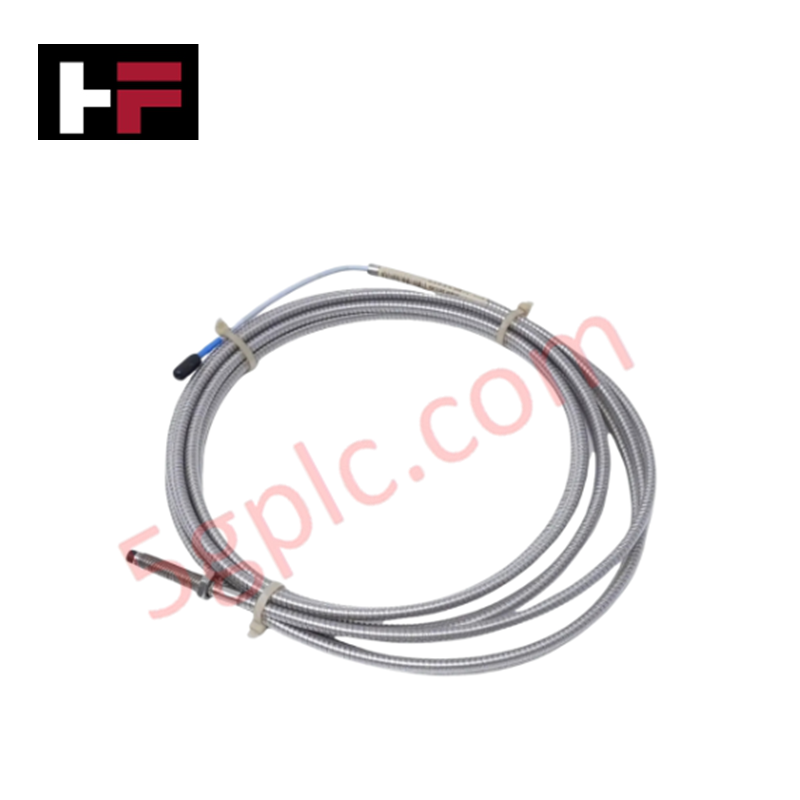
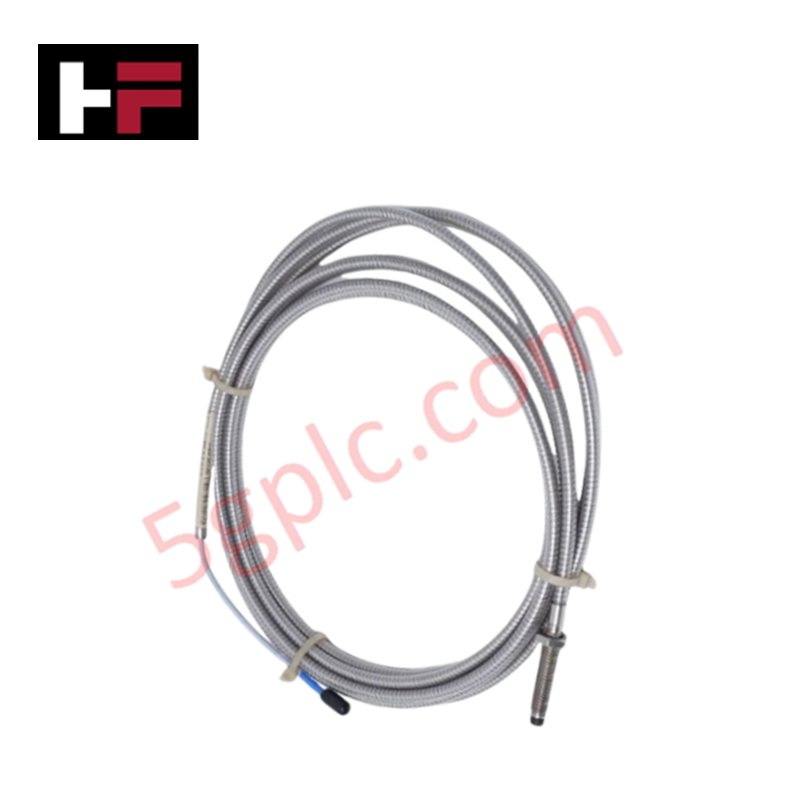
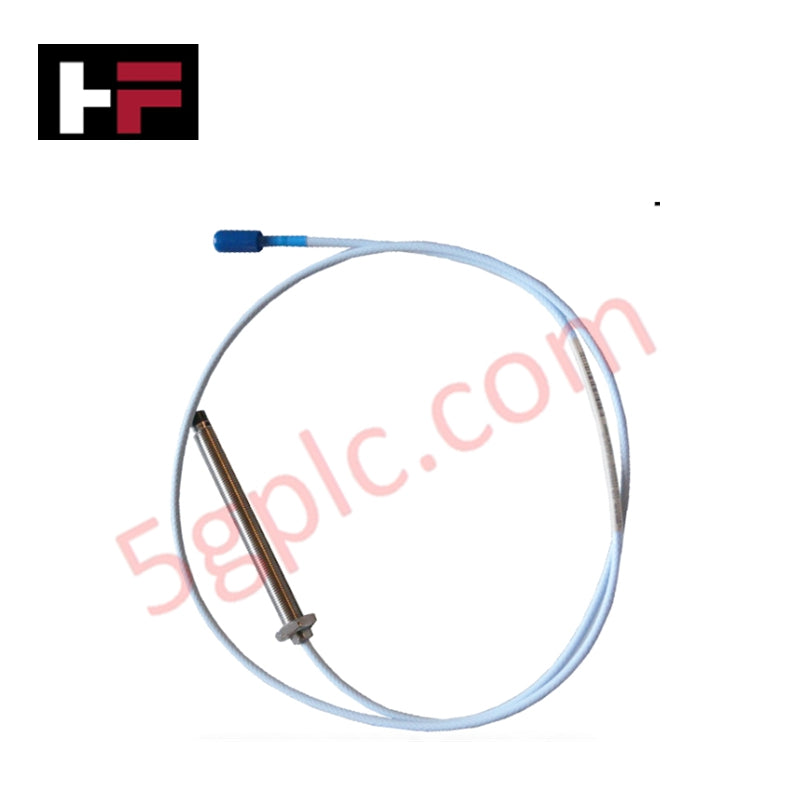
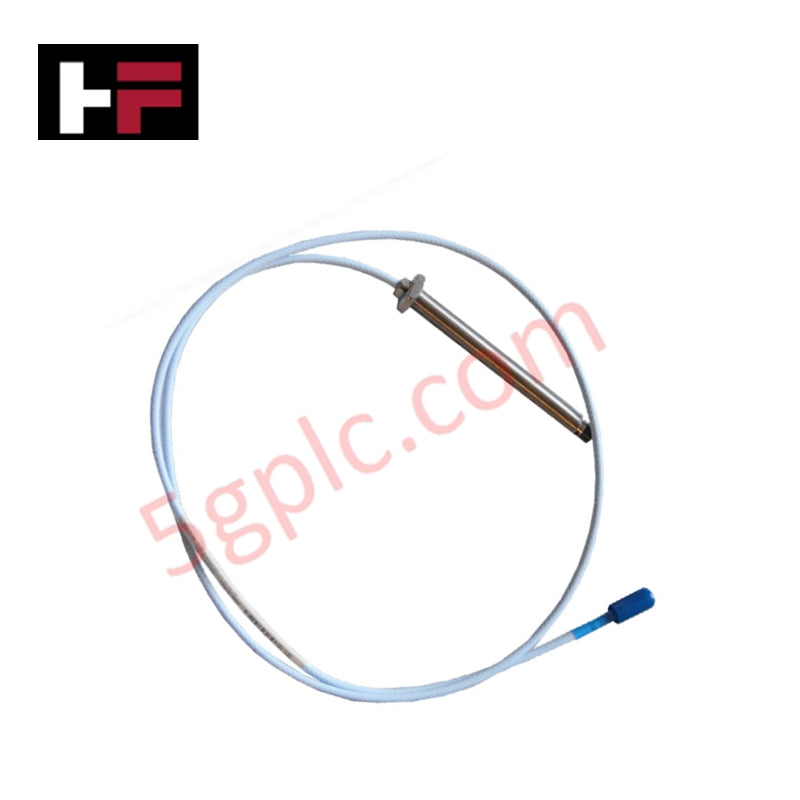
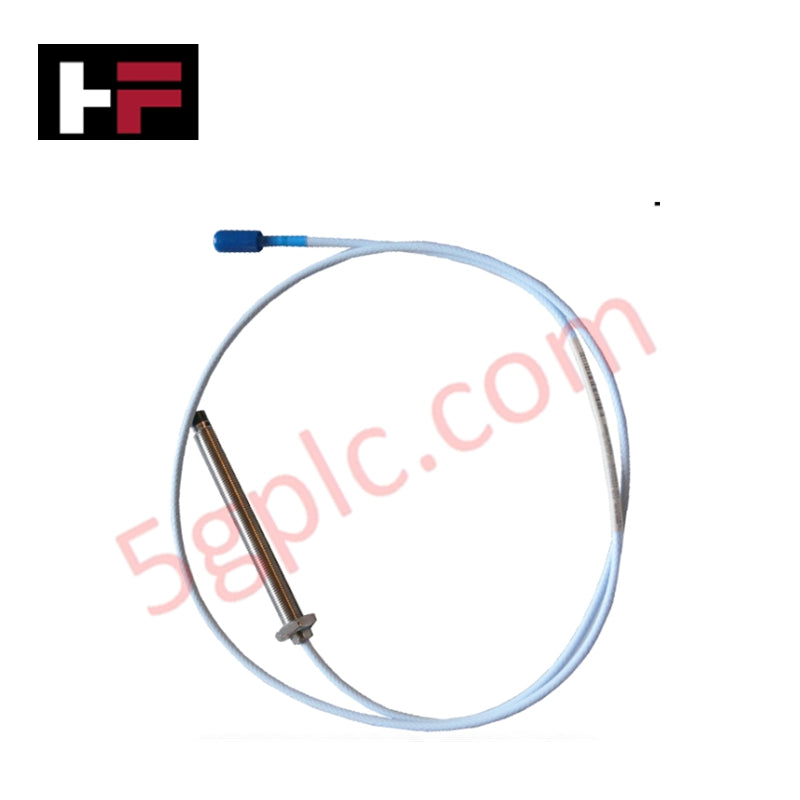
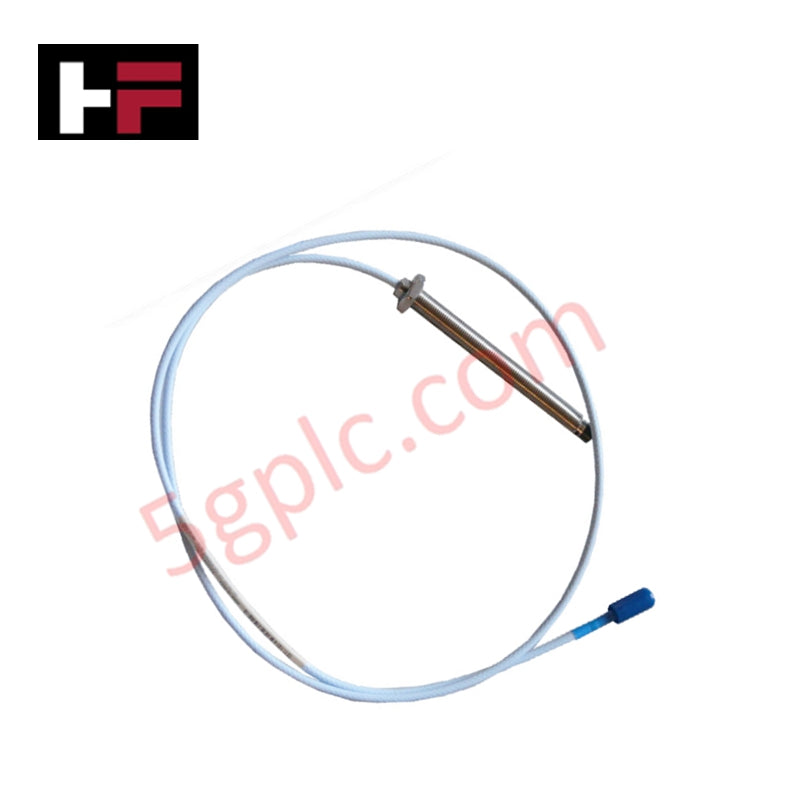
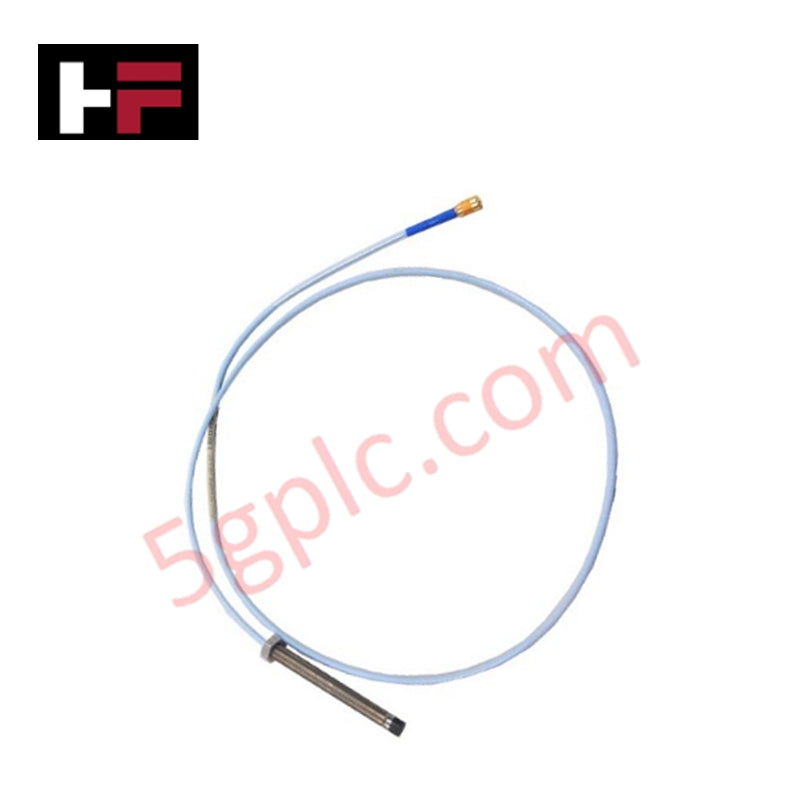
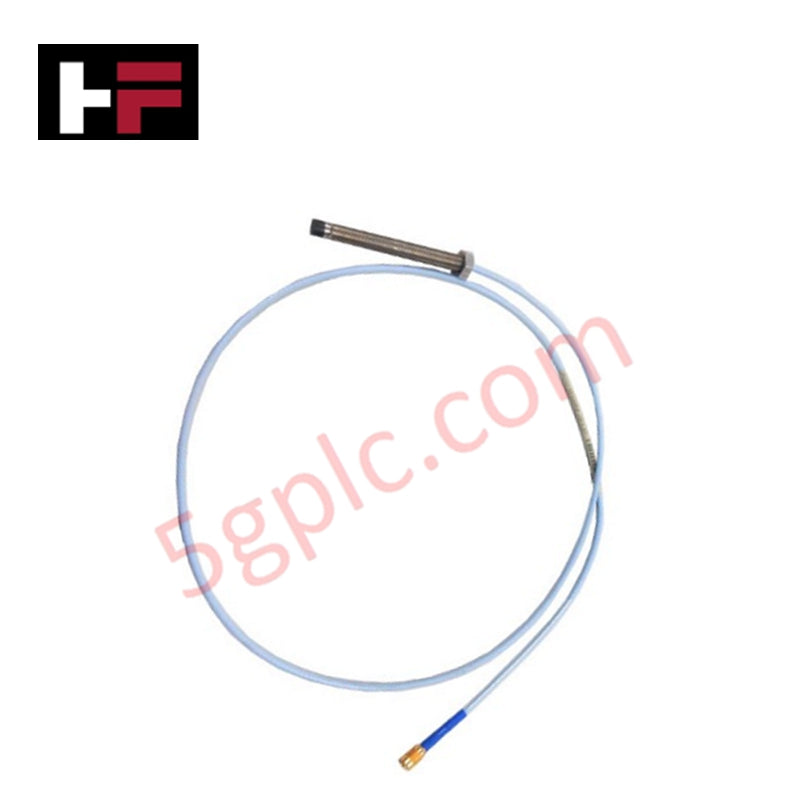
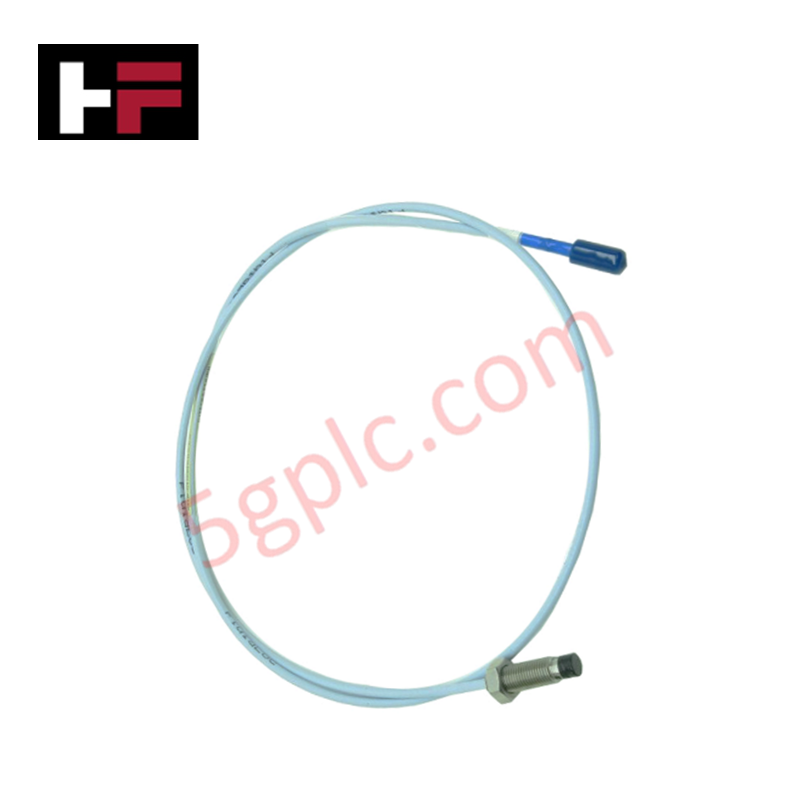
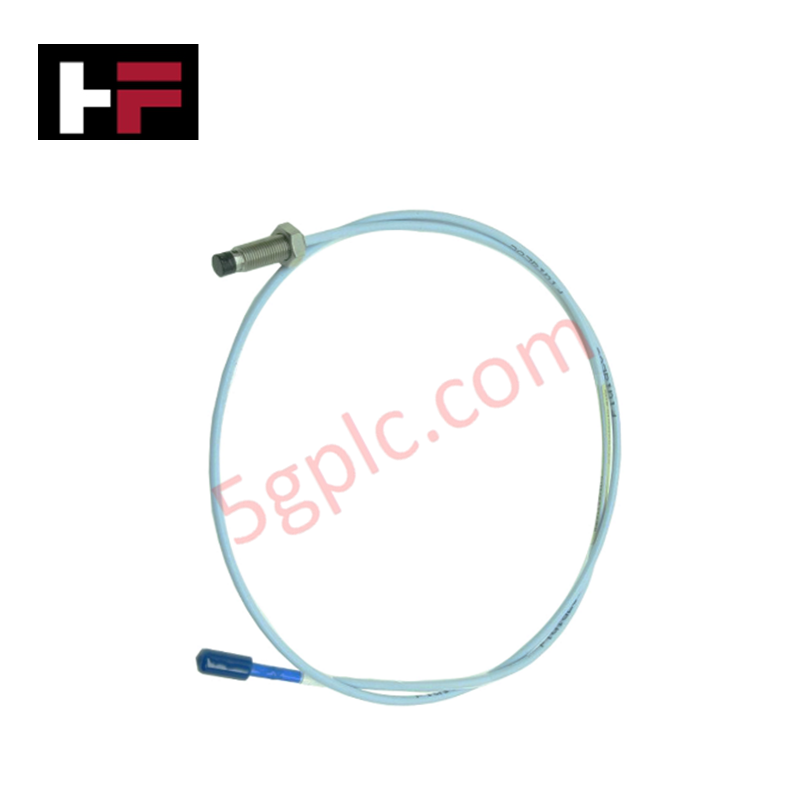
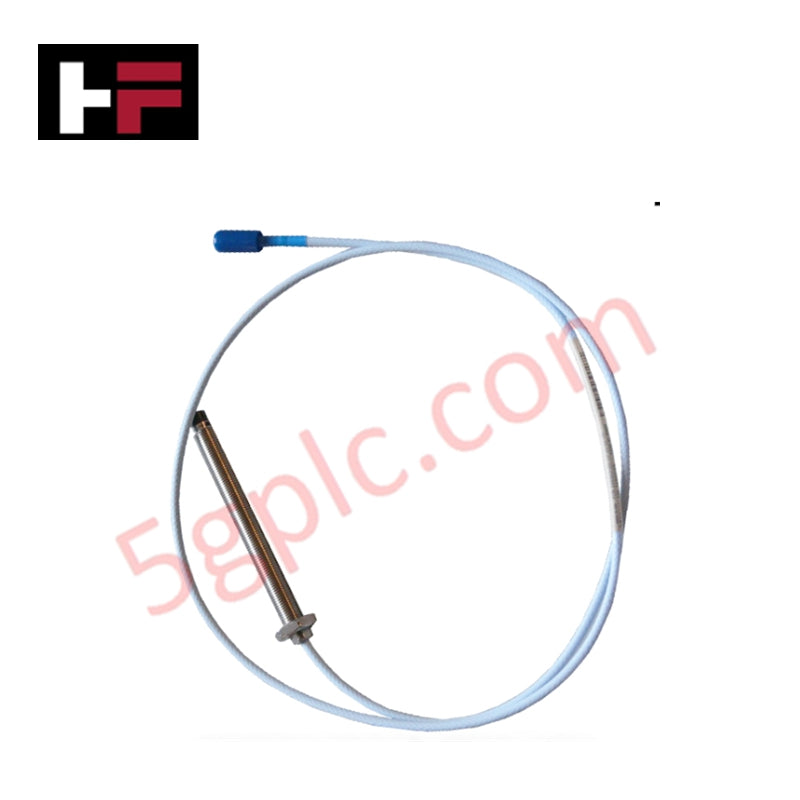
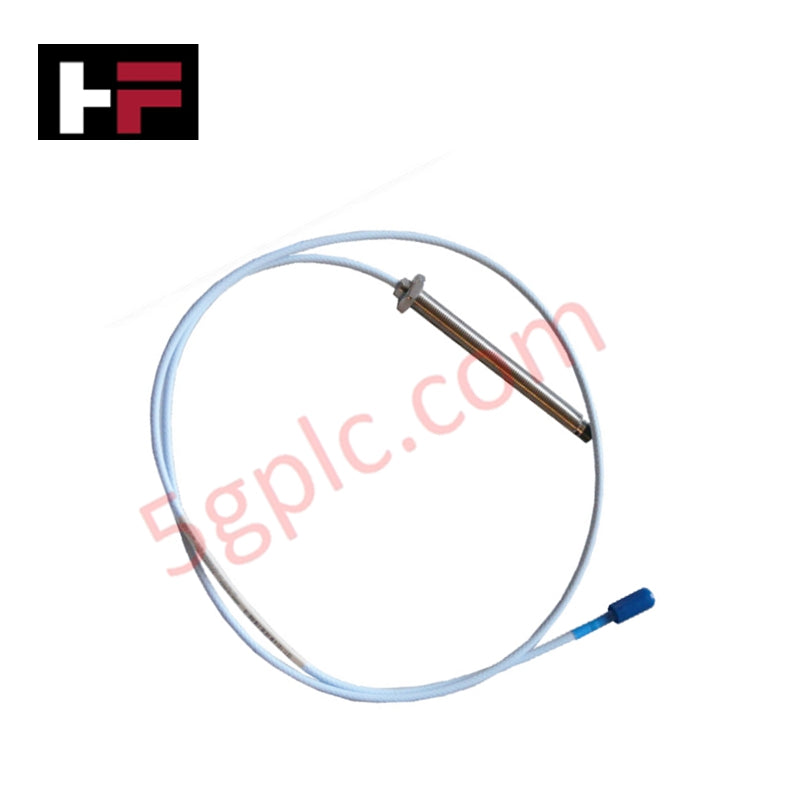
The 330130-045-00-RU is a 4.5-meter standard extension cable manufactured by Bently Nevada for use with vibration sensors and monitoring systems. It provides electrical connectivity between proximity probes and Proximitor monitors, ensuring reliable transmission of dynamic displacement signals in industrial rotating machinery. This specific configuration features standard connectors, a durable outer protective layer, and factory-matched electrical characteristics.
The complete model designation incorporates specific length and approval configurations. The 045 portion specifies a total cable length of 4.5 meters (14.8 feet), while the 00 suffix denotes standard cable construction without specialized connector protectors. The RU suffix indicates that specific regional or agency approvals are not required for this build.
Technical Specifications
| Parameter | Specification |
|---|---|
| Model | 330130-045-00-RU |
| Brand | Bently Nevada |
| Product Type | 3300 XL Standard Extension Cable |
| Cable Length | 4.5 meters (14.8 feet) |
| Operating Temperature | -40 deg C to 105 deg C |
| Signal Handling | 0 to 20 V |
| Insulation Resistance | Greater than 100 MOhm |
The extension cable is engineered to maintain low signal loss of less than 1% across its full length, preserving phase stability and amplitude accuracy for eddy-current measurement chains. Its high insulation resistance and robust outer jacket protect against electrical leakage and environmental degradation in demanding industrial settings.
Field Installation and Maintenance
Proper installation requires keeping coaxial connectors clean and fully seated to prevent signal attenuation or ground loops. Route the cable away from high-current power conductors to minimize electromagnetic interference, and avoid sharp bends that could alter the coaxial impedance.
Frequently Asked Questions
Q: Does the 4.5 m extension cable require recalibration of the monitoring system?
A: No recalibration is necessary when deploying a factory-matched 3300 XL extension cable, as total system length tolerances are accounted for in standard monitor design.
Q: Can this cable be used in high-temperature turbine applications?
A: Yes, it is rated for operating temperatures ranging from -40 deg C to 105 deg C, making it suitable for industrial turbine and compressor environments.
Additional Information
- 100% Genuine Parts: All products are original and authentic, ensuring reliable industrial performance.
- 30-Day Refund Guarantee: Return any in-stock item within 30 days in original, unopened packaging for a full refund (excluding shipping and fees).
- 12-Month Warranty: Covers defects in materials or workmanship; excludes misuse, normal wear, or unauthorized modifications.
- Worldwide Shipping: We ship via USPS, UPS, FedEx, and DHL. Delivery times vary by country and may be subject to customs or import fees.
- Support & Contact: Technical and warranty assistance is available anytime. Contact us here: Contact.
- Purchase Guidance: Check product specifications and compatibility carefully before ordering to ensure proper application.
Tech & Buying Guide

Demystifying Earthing, Grounding, and Bonding in Industrial Process Plants
Industrial automation networks, power distribution systems, and complex control loops rely heavily on proper grounding to maintain operational integrity. Therefore, control engineers and electrical specialists must thoroughly understand the distinctions between earthing, grounding, and bonding. In my 15 years of commissioning distributed control systems (DCS) and factory automation architectures, I have encountered numerous mysterious equipment failures caused by improper grounding practices. Below, I clarify these essential concepts and outline the industry standards governing industrial electrical safety.

Empowering Predictive Maintenance in PLC and SCADA Systems Through Maintenance Management
Industrial automation networks constantly generate vast streams of diagnostic data before major equipment failures occur. Therefore, integrating control systems with maintenance management platforms is essential for maximizing plant uptime. In my 15 years of commissioning programmable logic controllers (PLCs) and supervisory control and data acquisition (SCADA) networks, I have witnessed how raw alarms sit unnoticed in controller buffers. Bridging the gap between automation software and computerized maintenance management systems (CMMS) transforms early warning signals into actionable work orders. Below, I examine how this integration drives predictive maintenance across modern industrial facilities.

Understanding Industrial Annunciator Panels: Critical Alarm Management in Process Control
An industrial annunciator panel is a dedicated visual and audible alert device. It monitors equipment statuses and alerts operators to abnormal process conditions. Traditionally, these panels feature multiple back-lit windows engraved with specific plant alarms. When a sensor trips, the window flashes and a horn sounds to attract immediate operator attention. Therefore, plant personnel quickly identify critical faults across complex factory automation environments.