










Product Details
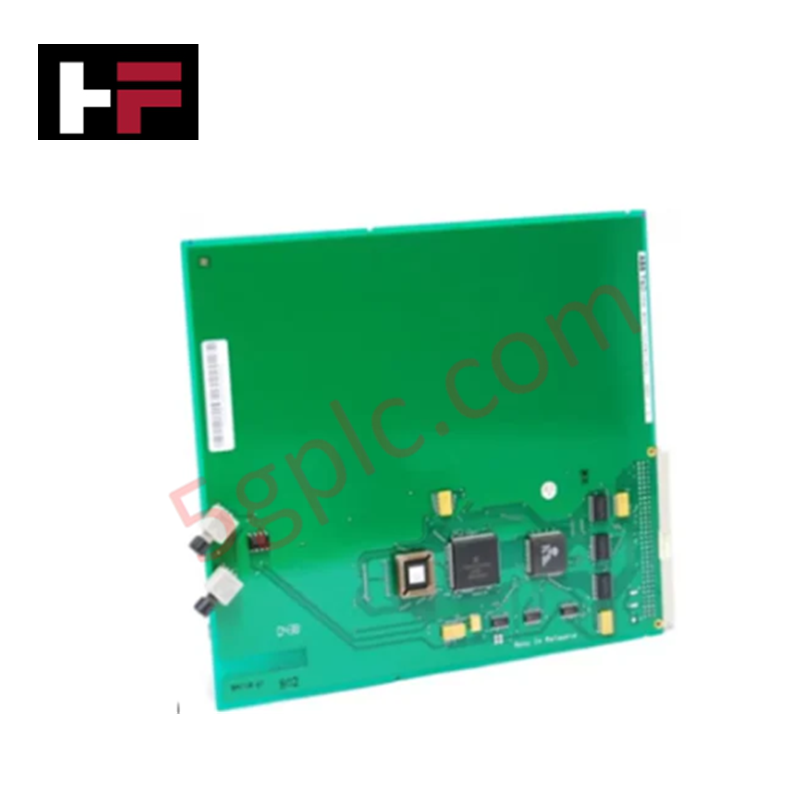
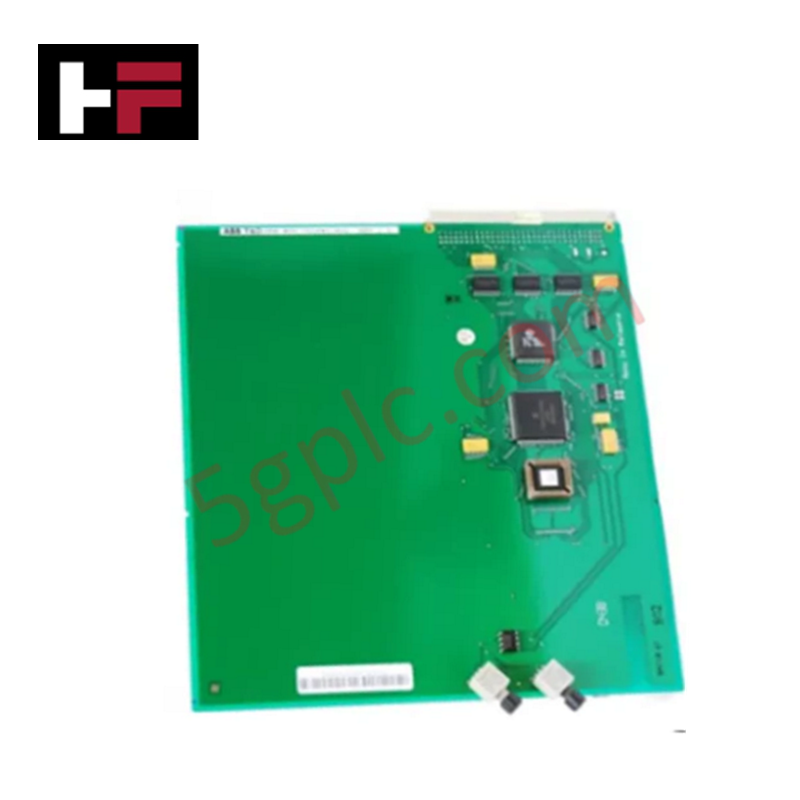
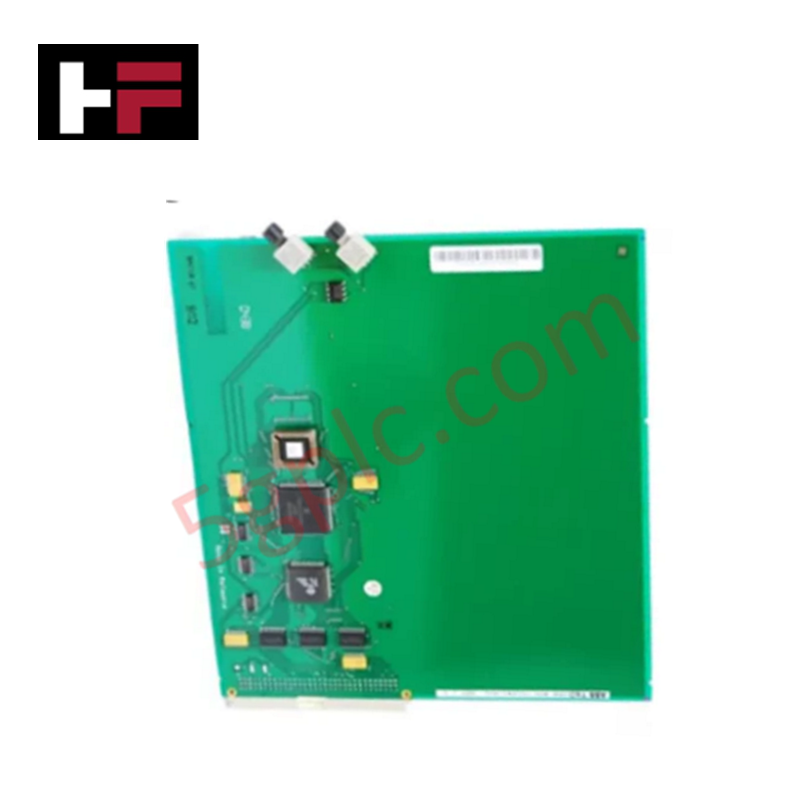
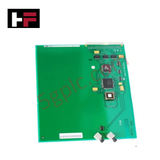
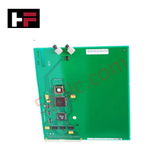
The ABB 1VCF701842802, also cataloged as the 1VCF701842802 COM SPA (GLASS SMA), operates as a dedicated hardware component for fiber-optic communication and serial data propagation within localized protection relay platforms. Equipped with SMA glass fiber interfaces, the physical device handles structural optical-to-electrical signal parsing directly across communication links. The sub-assembly maintains galvanic isolation over the transmission medium, converting serial protocol frames into localized hardware register changes without signal distortion from electromagnetic transients.
Hardware Specifications
| Parameter | Specification |
|---|---|
| Model | 1VCF701842802 |
| Brand | ABB |
| Origin | Finland (Standard manufacturing location applies) |
| Weight | 0.24 kg |
| Dimensions | Standard terminal internal slot sizing |
| Operating Temp | -20 to +60 deg C (Standard industrial parameters apply) |
| Power Consumption | Subsystem loop dependent |
| Interface Type | GLASS SMA (Fiber-optic) |
| Product Type | Spare Parts |
| Classification Level | Certification Level 1 |
| WEEE Category | Product Not in WEEE Scope |
Suffix Breakdown & Model Matrix
The module order code structure contains a designated position for specific protective deployment selection. For standard hardware environments, the regular configuration prefix is maintained. To order a DNV-coated version optimized for high-humidity or offshore marine environments, the third digit from the right in the product order code matrix must be modified from its standard configuration variable to the numerical identifier nine (9) (Example matrix adjustment profile: 1VCF750170804 shifts to 1VCF750170904).
Firmware Flash Compatibility
The 1VCF701842802 communication interface must match internal host software configurations to achieve clean packet execution across the backplane bus. The operating parameters dictate that technicians perform an active software check, verifying the active software version directly from the permanent rating plate located on the side panel of the parent protection relay housing before module installation. Version mismatches between this glass SMA communication module and the internal CPU firmware will generate interface configuration faults, disabling cyclic diagnostic updating and blocking the serial transmission path.
Frequently Asked Questions
Q: How does a software version variance affect the deployment of the 1VCF701842802 hardware?
A: If the active software version listed on the relay side plate is not aligned with the module's hardware revision baseline, the host CPU will reject the serial bus initialization. This prevents data mapping to the optical transceivers and triggers a communication loop failure.
Q: Is hot-swapping or unseating of this glass SMA optical board permitted while the relay is energized?
A: No, hot-swapping this component is prohibited. Breaking the backplane connections while energized can generate inductive currents that can corrupt active data processing registers inside the protection relay and risk damaging the optical transceivers.
Field Installation Guidelines
The 1VCF701842802 module must be inserted fully into its designated internal channel slot inside the host protection relay housing. Before installation, power down the relay chassis and inspect the side-mounted rating plate to verify firmware flash compatibility limits. Clean the SMA glass fiber-optic connectors using lint-free instrumentation wipes before seating them into the module sockets to ensure optimal light transmission. Keep all fiber-optic cables outside tight bend radius limits to prevent optical attenuation, and secure the signal wiring completely separate from alternating current high-power lines within the enclosure.
Additional Information
- 100% Genuine Parts: All products are original and authentic, ensuring reliable industrial performance.
- 30-Day Refund Guarantee: Return any in-stock item within 30 days in original, unopened packaging for a full refund (excluding shipping and fees).
- 12-Month Warranty: Covers defects in materials or workmanship; excludes misuse, normal wear, or unauthorized modifications.
- Worldwide Shipping: We ship via USPS, UPS, FedEx, and DHL. Delivery times vary by country and may be subject to customs or import fees.
- Support & Contact: Technical and warranty assistance is available anytime. Contact us here: Contact.
- Purchase Guidance: Check product specifications and compatibility carefully before ordering to ensure proper application.






Tech & Buying Guide

Demystifying the DDE Protocol in Legacy Industrial Automation Systems
Modern control systems rely heavily on seamless interprocess communication to exchange operational data between software programs. Microsoft first introduced the Dynamic Data Exchange (DDE) protocol in 1987 to enable real-time data sharing. In factory automation, DDE served as an early bridge between control software and Windows desktop applications. Therefore, understanding DDE mechanics provides crucial insights into how legacy industrial networks established software-level connectivity.

Demystifying CPU Communication Ports in Siemens PLC Architectures
Industrial automation relies heavily on robust data exchange between devices. Without seamless connectivity, field instruments, network switches, human-machine interfaces, and programmable logic controllers cannot coordinate effectively. Therefore, understanding the various CPU communication ports available in Siemens hardware ensures efficient factory automation design and seamless system integration.

Mastering the Siemens PLC Scan Cycle: How the CPU Executes Automation Programs
Industrial automation relies heavily on programmable logic controllers (PLCs) to manage complex manufacturing processes. Many engineers dive straight into programming without mastering the underlying architecture. However, understanding how a PLC CPU executes a program ensures reliable system design. Therefore, mastering the scan cycle optimizes both performance and troubleshooting in modern control systems.