










All Products
This comprehensive catalog serves as a centralized source for critical industrial automation components, supporting a wide spectrum of legacy and current control architectures. The inventory spans multiple functional layers, including Distributed Control Systems (DCS), Programmable Logic Controllers (PLC), and Turbine Supervisory Instrumentation (TSI). It features specialized hardware ranging from vibration monitoring modules and rack-based controllers to high-density I/O interfaces, power supply units, and communication gateways.


Blog posts
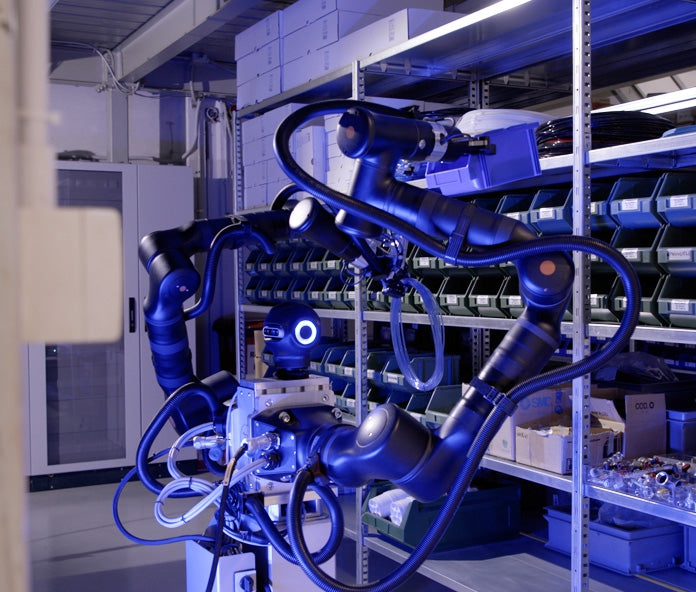
Mastering Time Synchronization in Industrial Automation Applications
Precise time synchronization remains vital for modern industrial automation, distributed control systems (DCS), and power protection networks. Therefore, control engineers must maintain uniform clocks across all controllers, human-machine interfaces (HMIs), and supervisory stations. In my 15 years of commissioning complex industrial automation projects, I have frequently investigated root-cause failures where misaligned timestamps obscured the true sequence of events. Below, I break down the core time synchronization protocols and methods essential for reliable factory automation.
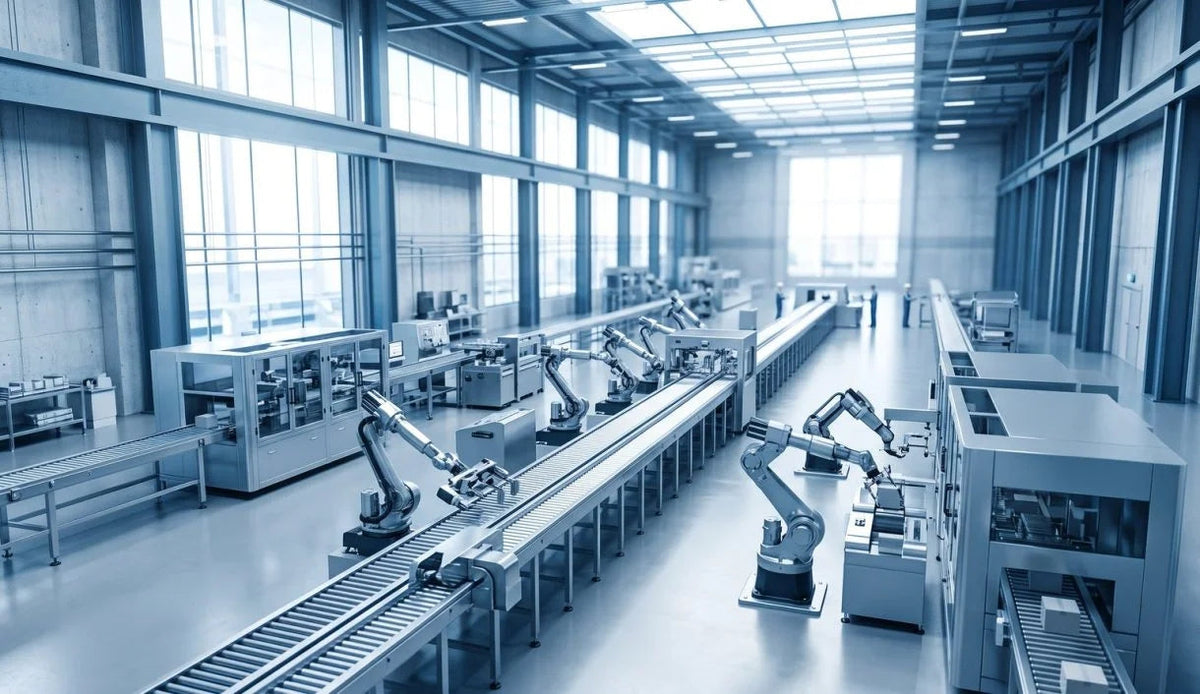
Designing Robust SCADA Systems for Electrical Substation Automation
Electrical substation automation requires rigorous engineering standards to guarantee uninterrupted power distribution and grid stability. Therefore, control engineers must design supervisory control and data acquisition (SCADA) architectures with absolute precision. In my 15 years of commissioning power protection and substation automation systems, I have witnessed how meticulous SCADA design prevents catastrophic grid failures. Below, I outline the critical engineering practices required to build reliable substation SCADA solutions.

Demystifying Earthing, Grounding, and Bonding in Industrial Process Plants
Industrial automation networks, power distribution systems, and complex control loops rely heavily on proper grounding to maintain operational integrity. Therefore, control engineers and electrical specialists must thoroughly understand the distinctions between earthing, grounding, and bonding. In my 15 years of commissioning distributed control systems (DCS) and factory automation architectures, I have encountered numerous mysterious equipment failures caused by improper grounding practices. Below, I clarify these essential concepts and outline the industry standards governing industrial electrical safety.