












Product Details
Description
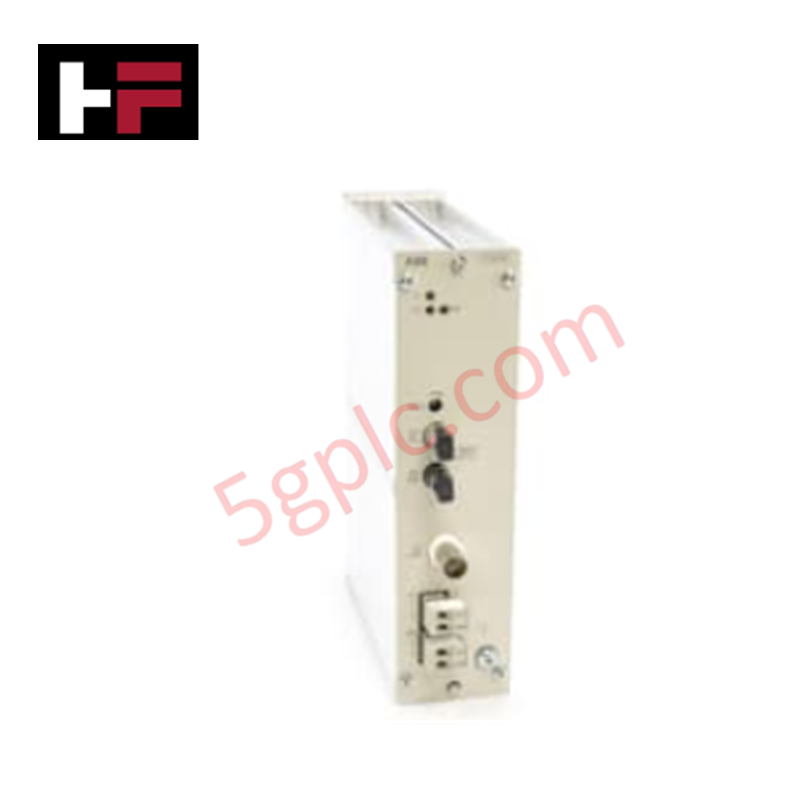
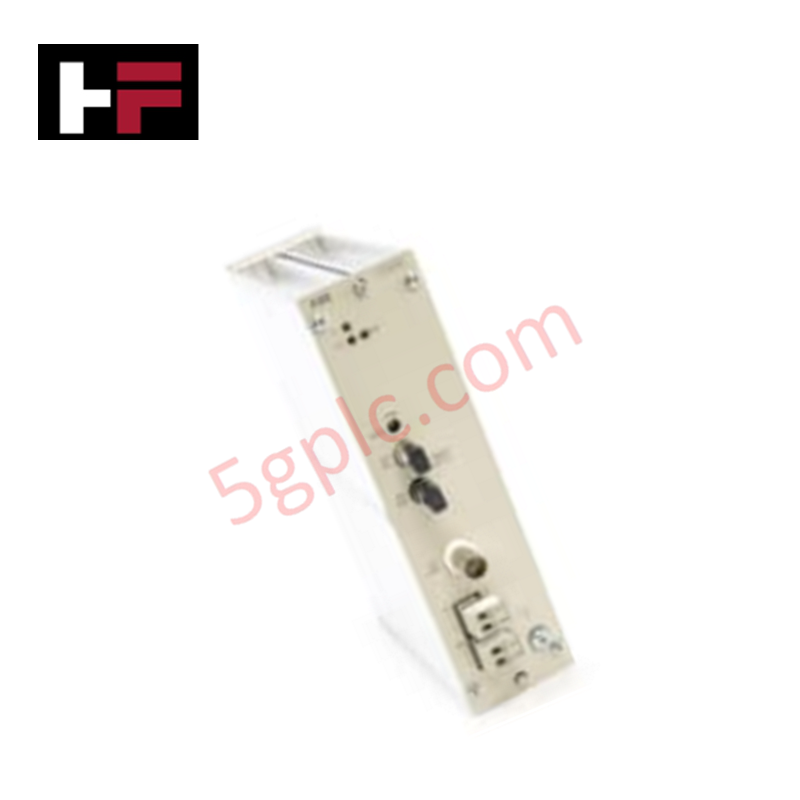
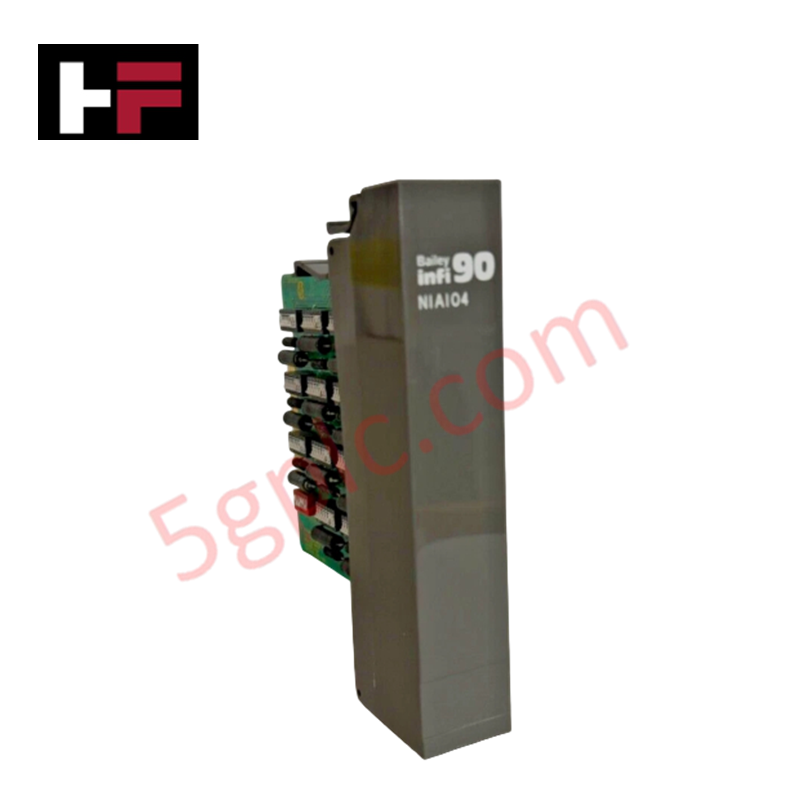
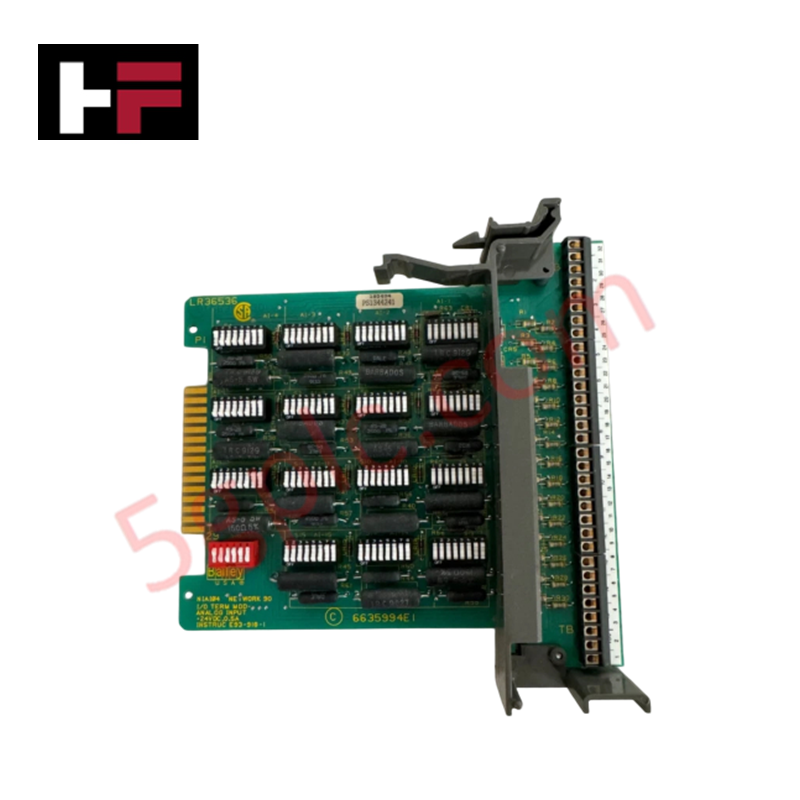
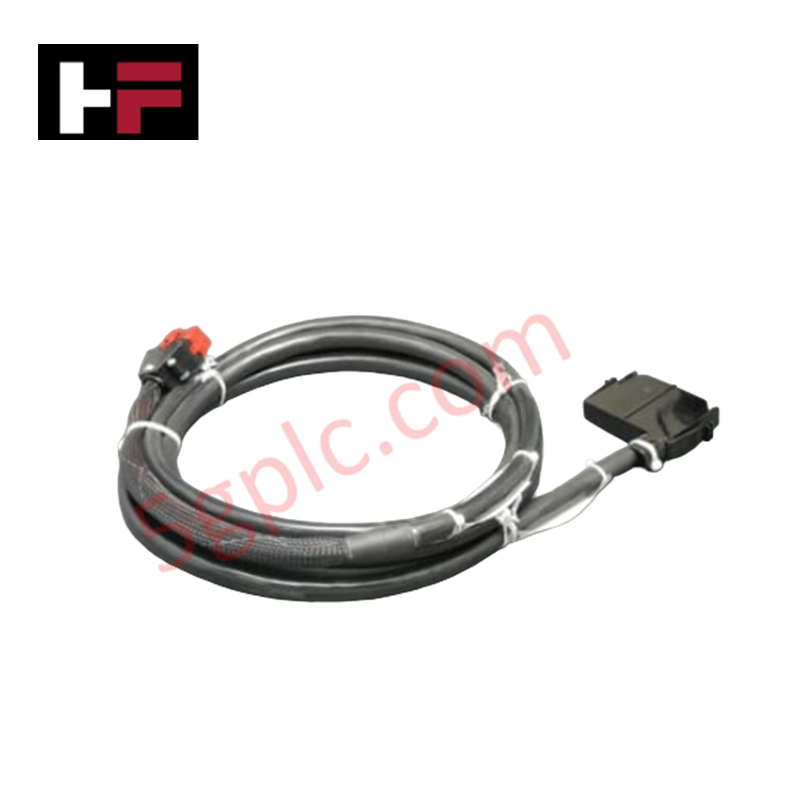
The ABB INTKM01 is a high-precision synchronization component designed for the Bailey Infi 90 and Network 90 distributed control systems. This module acts as the definitive temporal reference for the entire control network, ensuring that all distributed processors, human-machine interfaces, and event loggers operate on a unified clock. By providing a centralized time-of-day reference, the INTKM01 is indispensable for applications requiring accurate Sequence of Events (SOE) recording, historical data trending, and coordinated control actions across multiple network loops. It eliminates "clock drift" between various controller nodes, which is essential for forensic analysis of industrial processes and maintaining system-wide data consistency.
Specifications
-
Brand: ABB Bailey
-
Model Number: INTKM01
-
Product Type: Time Keeper Master Module
-
Series: Infi 90 / Network 90
-
Clock Accuracy: High-stability crystal oscillator for minimal drift
-
Time Format: Supports standard UTC and local time offsets
-
Backplane Interface: Infi 90 Module Bus
-
Product Net Weight: 0.59 kg (1.30 lbs)
-
Dimensions: 177.8 mm x 35.6 mm x 298.5 mm
-
Power Consumption: +5 VDC @ 1.2A (Maximum)
Features
-
Global Time Synchronization: Disseminates precise time-of-day signals across the Plant Loop and localized module buses to align all system components.
-
Battery-Backed Real-Time Clock: Maintains accurate time even during system power outages, ensuring the DCS restarts with the correct temporal data.
-
Master/Slave Coordination: Capable of functioning as a primary time source or synchronizing with an external master clock signal for site-wide alignment.
-
System Integrity Support: Provides a reliable timestamp for all system diagnostic messages and error logs, facilitating easier troubleshooting.
-
Deterministic Signal Delivery: Optimized to broadcast time updates with high priority, ensuring the network-wide clock remains synchronized within tight millisecond tolerances.
Additional Information
- 100% Genuine Parts: All products are original and authentic, ensuring reliable industrial performance.
- 30-Day Refund Guarantee: Return any in-stock item within 30 days in original, unopened packaging for a full refund (excluding shipping and fees).
- 12-Month Warranty: Covers defects in materials or workmanship; excludes misuse, normal wear, or unauthorized modifications.
- Worldwide Shipping: We ship via USPS, UPS, FedEx, and DHL. Delivery times vary by country and may be subject to customs or import fees.
- Support & Contact: Technical and warranty assistance is available anytime. Contact us here: Contact.
- Purchase Guidance: Check product specifications and compatibility carefully before ordering to ensure proper application.


Tech & Buying Guide
Safety Relays in Industrial Automation: Fundamentals, Design Standards, and Fail-Safe Architecture
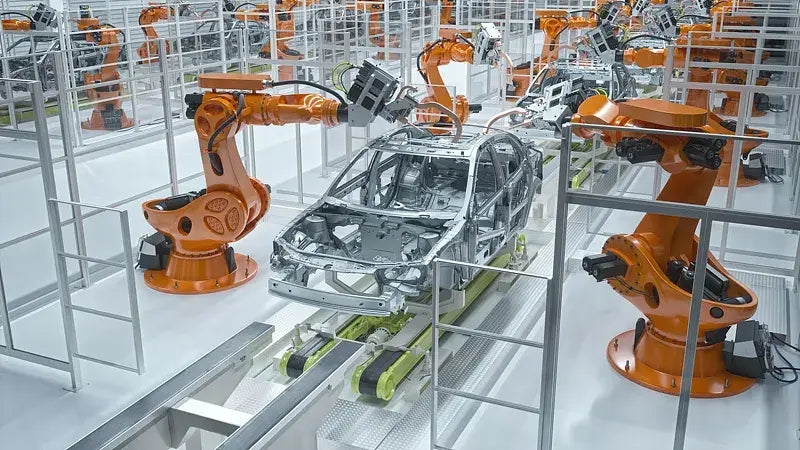
Safety relays form the bedrock of functional safety in modern factory automation, preventing catastrophic equipment failure and protecting plant personnel. While standard electromechanical relays handle basic load switching, they lack the redundant diagnostics required for high-risk industrial environments. Modern industrial automation platforms—including programmable logic controllers (PLCs) and distributed control systems (DCS)—rely on specialized safety relays to monitor field devices and isolate hazards instantly.

Voice-Activated Industrial Automation: Integrating Speech Control into PLC and DCS Architectures
Industrial automation integrates speech recognition, IIoT protocols, and NLP with PLCs and DCS to streamline operations. By leveraging advanced edge computing, engineers enable real-time, hands-free control—allowing personnel to manage smart factory processes safely away from hazardous equipment.
Modern Industrial Automation: Transforming Safety and Efficiency in Mining Operations
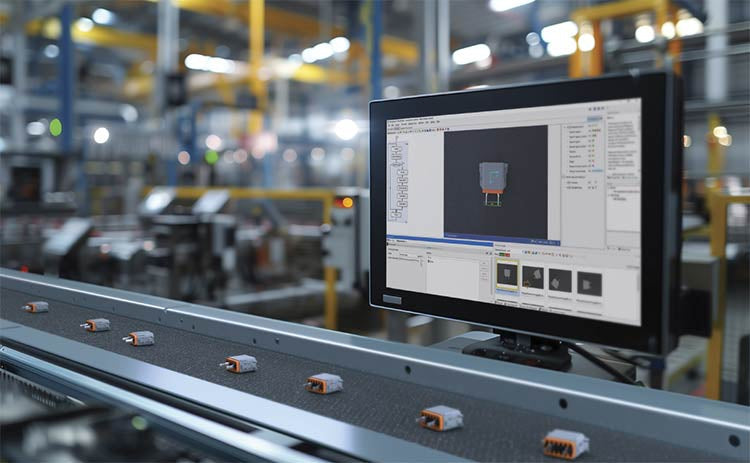
Industrial automation has evolved from a simple manufacturing tool into the operational backbone of high-risk sectors. Modern mining operations increasingly rely on advanced control systems, programmable logic controllers (PLCs), distributed control systems (DCS), and artificial intelligence to address deep-underground hazards. By replacing manual labor in high-risk zones, factory automation technologies protect personnel while significantly boosting operational throughput.