












Product Details
Description
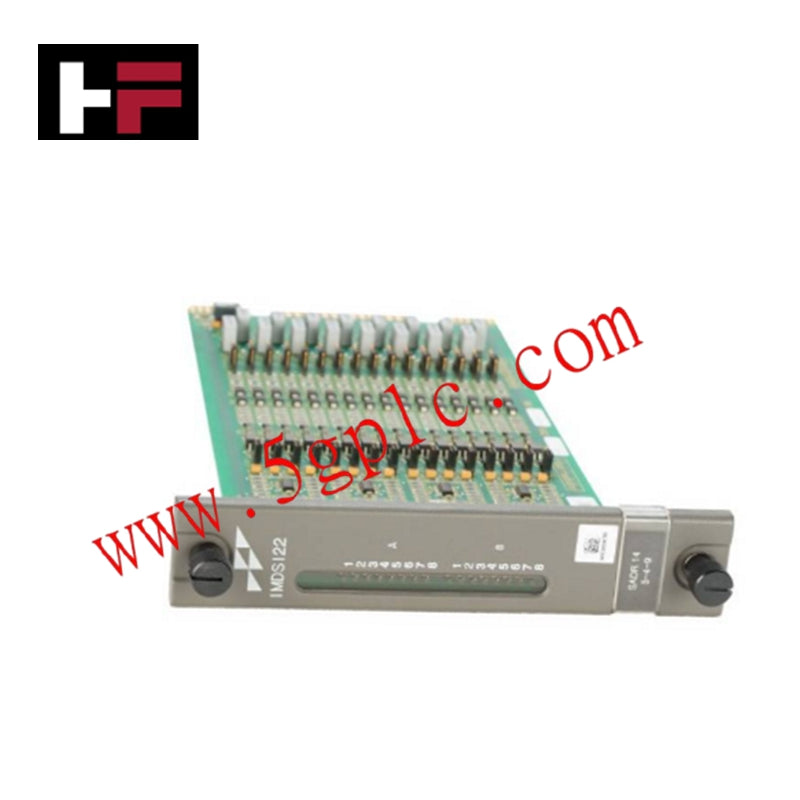
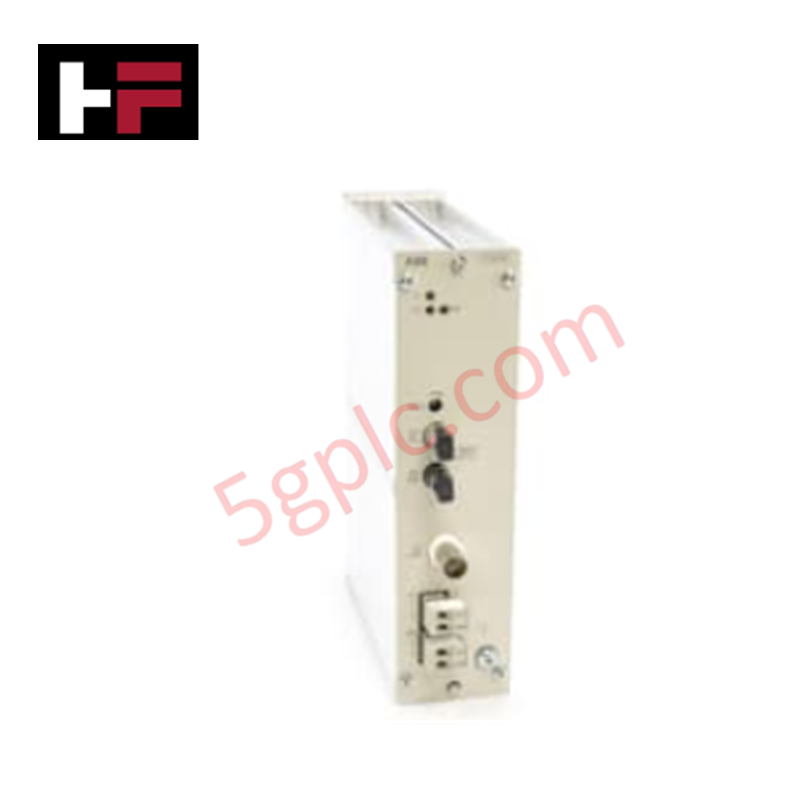
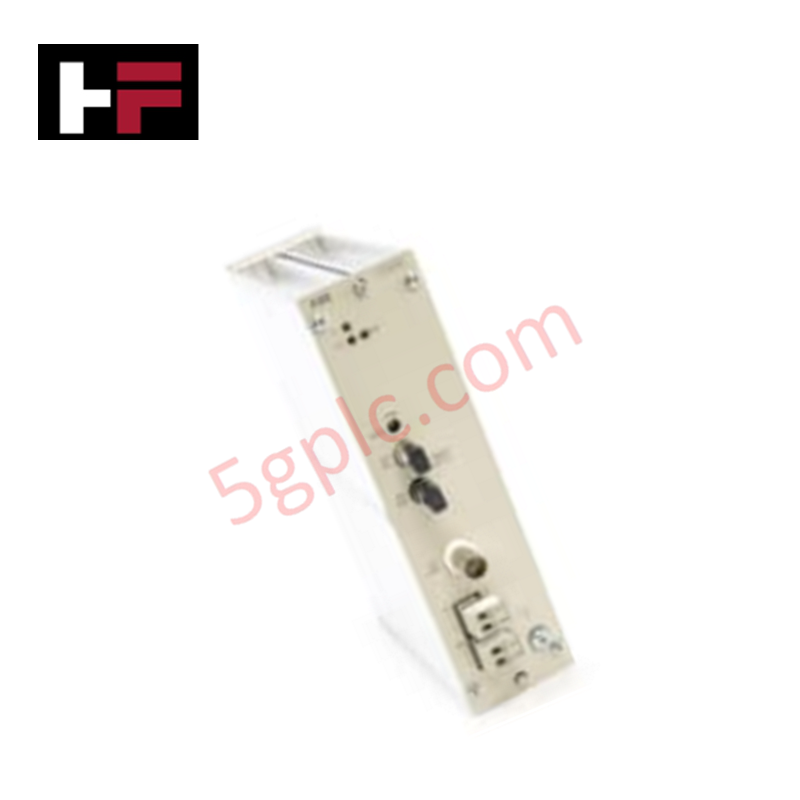
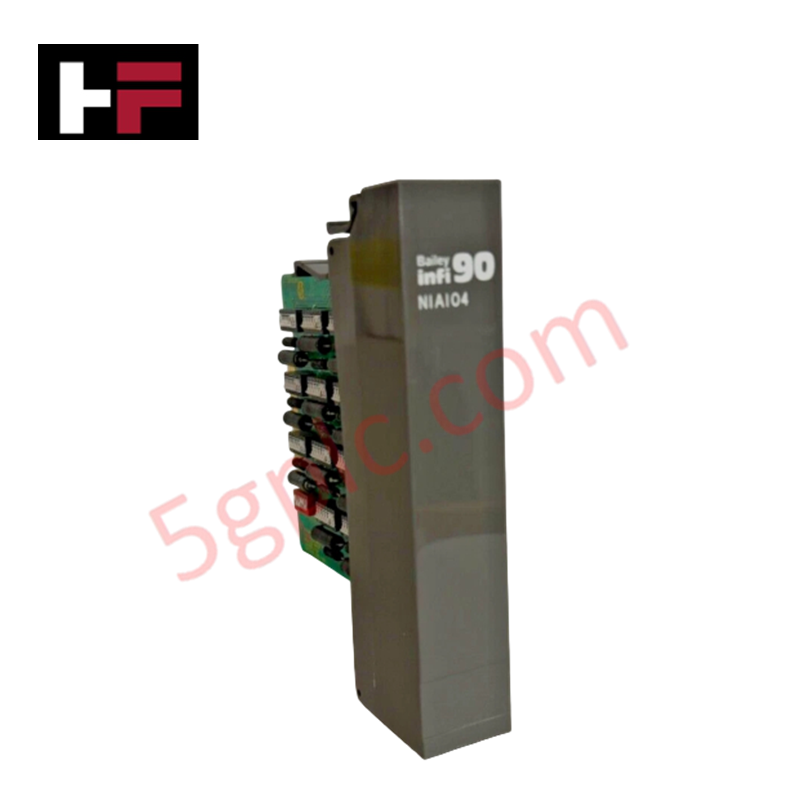
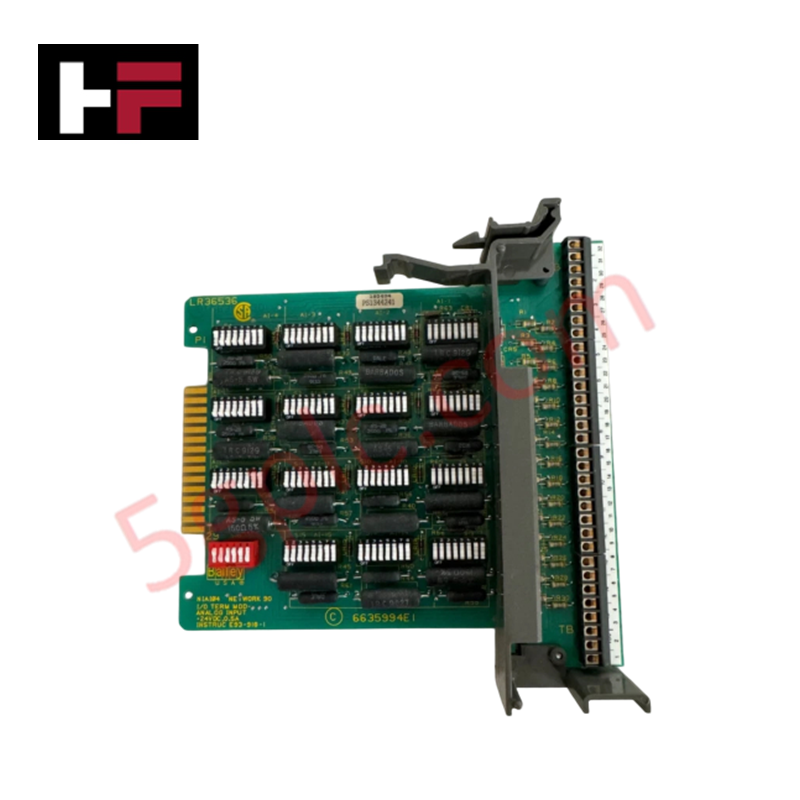
The ABB IMDSI22 is a 16-channel Digital Input Slave module engineered for the Bailey Infi 90 and Network 90 distributed control systems. This module serves as a robust interface for monitoring discrete process conditions, capturing binary signals from field equipment such as pushbuttons, limit switches, and relay contacts. By converting 24VDC field-level voltages into logic-level data, the IMDSI22 allows the master controller to track real-time equipment status. Its high-density design and optical isolation make it a standard choice for demanding industrial environments requiring reliable data acquisition.
Specifications
-
Brand: ABB Bailey
-
Model Number: IMDSI22
-
Product Type: Digital Input Slave Module
-
Series: Infi 90 / Network 90
-
Input Channels: 16 independent discrete inputs
-
Nominal Input Voltage: 24 VDC
-
Product Net Weight: 0.52 kg (1.15 lbs)
-
Dimensions: 177.8 mm x 35.6 mm x 298.5 mm
-
Interface: Slave Bus backplane connection
-
Isolation: Optical isolation between field and system logic
Features
-
High-Precision Signal Capture: Specifically optimized for 24VDC discrete signals, ensuring accurate state detection for fast-acting control loops.
-
Galvanic Isolation: Features robust optical isolation to prevent electrical noise, surges, or ground loops from damaging the sensitive internal DCS architecture.
-
Compact Integration: Occupies a single slot in the Module Mounting Unit (MMU), providing 16 points of monitoring to maximize cabinet density.
-
Redundant Power Input: Utilizes the system backplane's redundant power feeds to maintain operation even in the event of a partial power supply failure.
-
Direct Status Feedback: Equipped with front-panel LED indicators that provide immediate visual verification of each input channel’s current state and overall module health.
Additional Information
- 100% Genuine Parts: All products are original and authentic, ensuring reliable industrial performance.
- 30-Day Refund Guarantee: Return any in-stock item within 30 days in original, unopened packaging for a full refund (excluding shipping and fees).
- 12-Month Warranty: Covers defects in materials or workmanship; excludes misuse, normal wear, or unauthorized modifications.
- Worldwide Shipping: We ship via USPS, UPS, FedEx, and DHL. Delivery times vary by country and may be subject to customs or import fees.
- Support & Contact: Technical and warranty assistance is available anytime. Contact us here: Contact.
- Purchase Guidance: Check product specifications and compatibility carefully before ordering to ensure proper application.


Tech & Buying Guide
Safety Relays in Industrial Automation: Fundamentals, Design Standards, and Fail-Safe Architecture
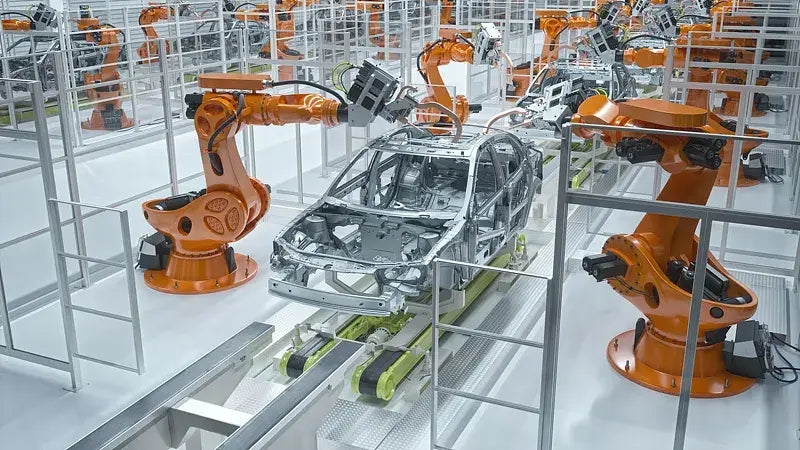
Safety relays form the bedrock of functional safety in modern factory automation, preventing catastrophic equipment failure and protecting plant personnel. While standard electromechanical relays handle basic load switching, they lack the redundant diagnostics required for high-risk industrial environments. Modern industrial automation platforms—including programmable logic controllers (PLCs) and distributed control systems (DCS)—rely on specialized safety relays to monitor field devices and isolate hazards instantly.

Voice-Activated Industrial Automation: Integrating Speech Control into PLC and DCS Architectures
Industrial automation integrates speech recognition, IIoT protocols, and NLP with PLCs and DCS to streamline operations. By leveraging advanced edge computing, engineers enable real-time, hands-free control—allowing personnel to manage smart factory processes safely away from hazardous equipment.
Modern Industrial Automation: Transforming Safety and Efficiency in Mining Operations
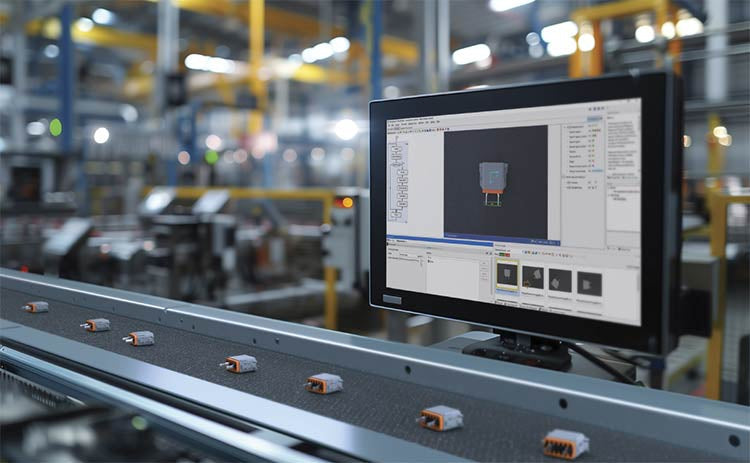
Industrial automation has evolved from a simple manufacturing tool into the operational backbone of high-risk sectors. Modern mining operations increasingly rely on advanced control systems, programmable logic controllers (PLCs), distributed control systems (DCS), and artificial intelligence to address deep-underground hazards. By replacing manual labor in high-risk zones, factory automation technologies protect personnel while significantly boosting operational throughput.