










Product Details
Description
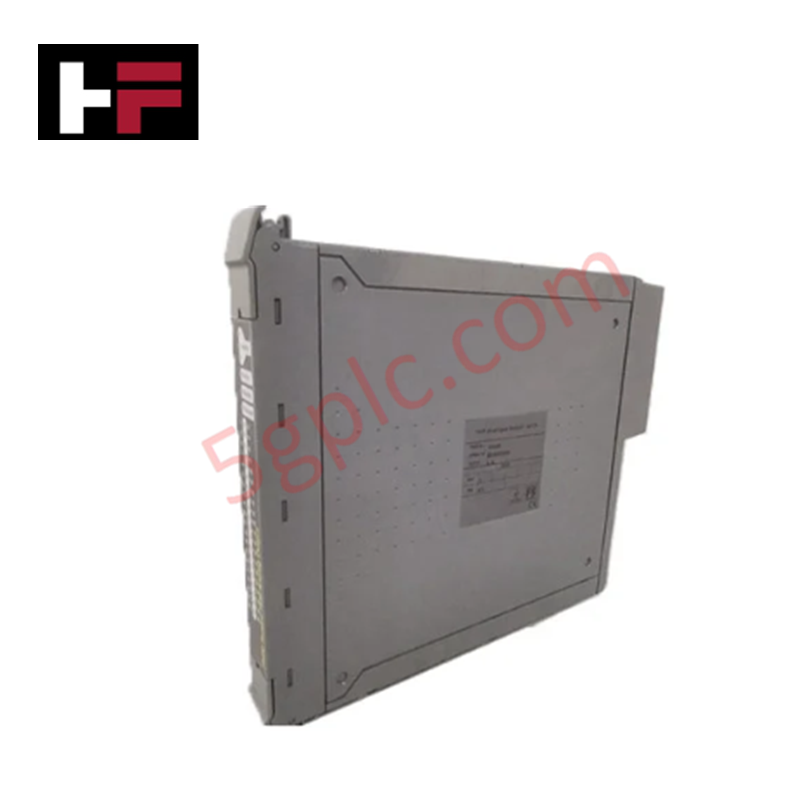
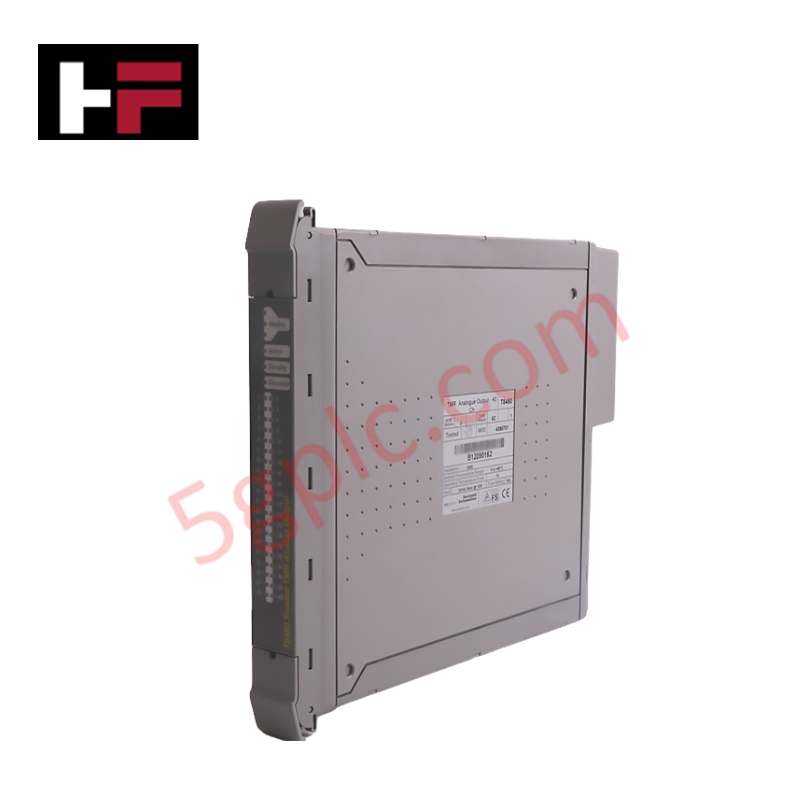
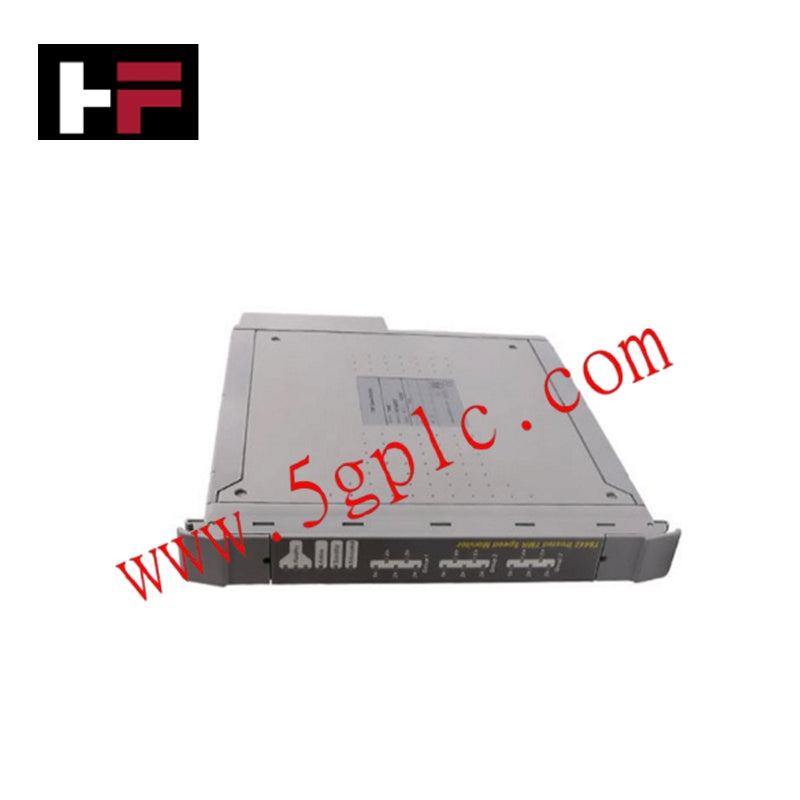
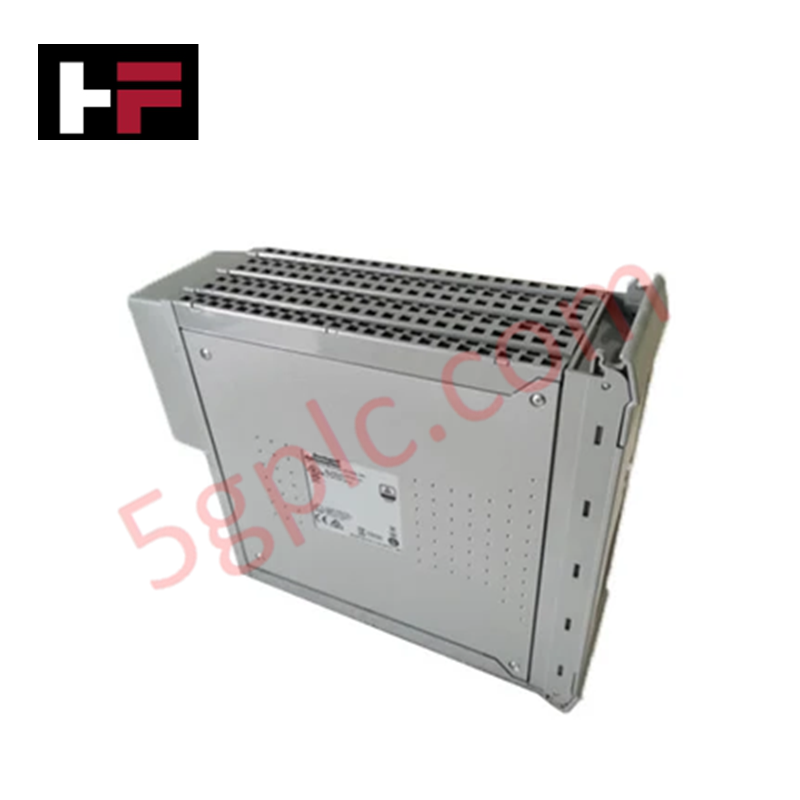
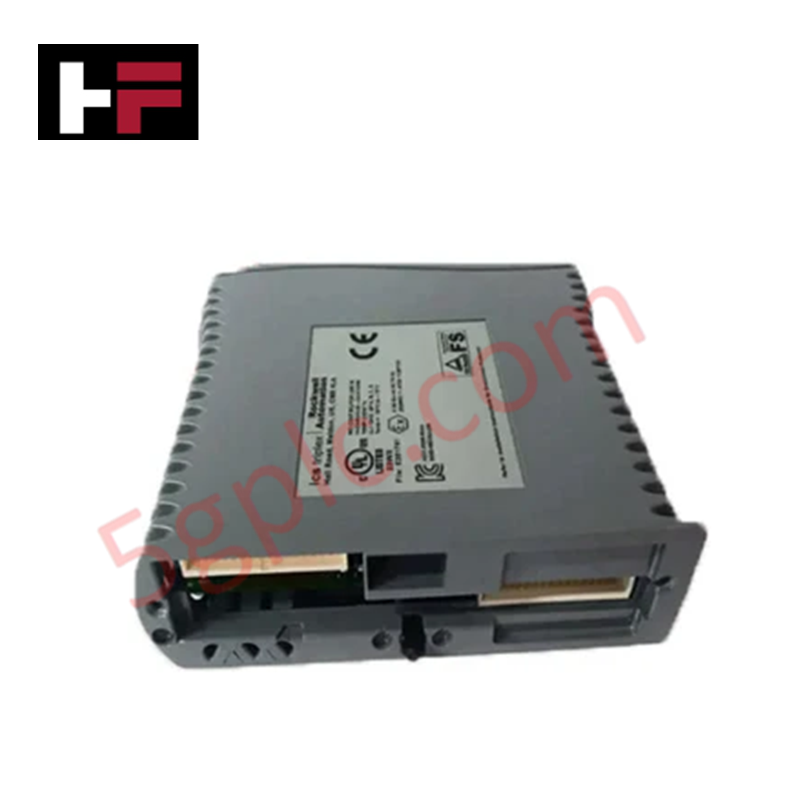
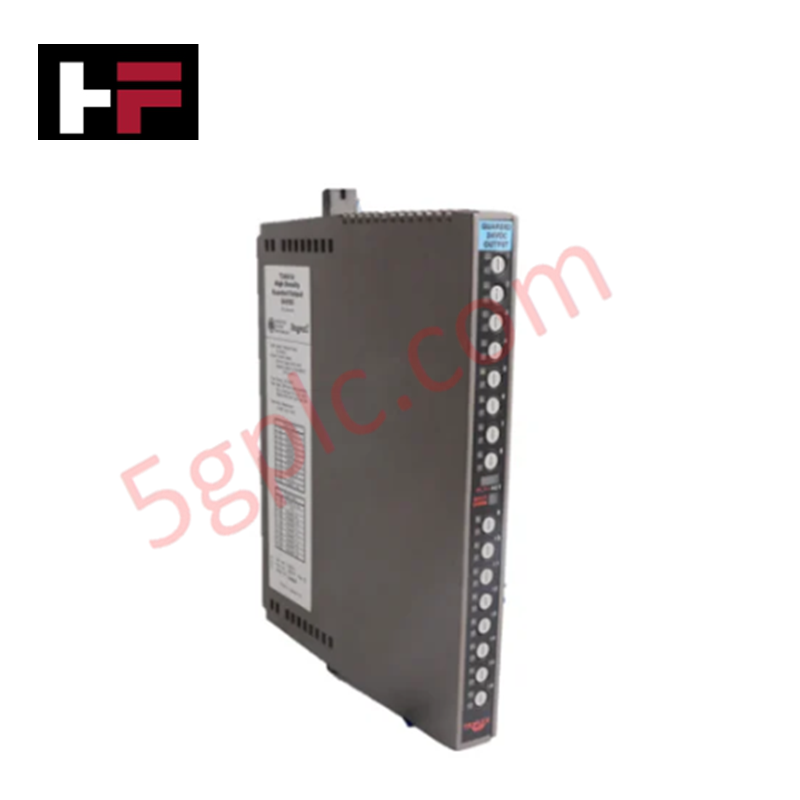
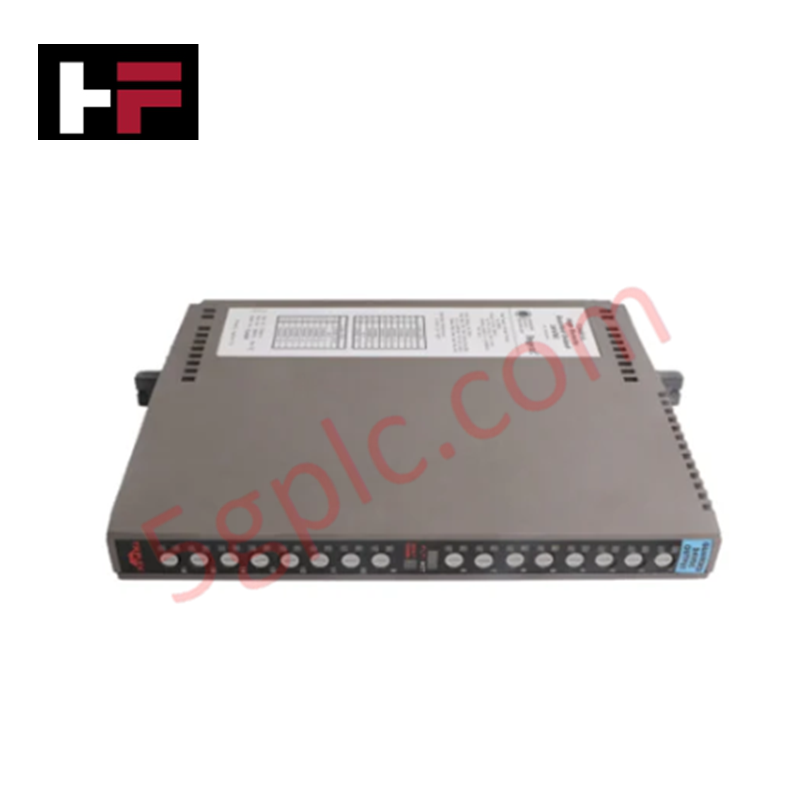
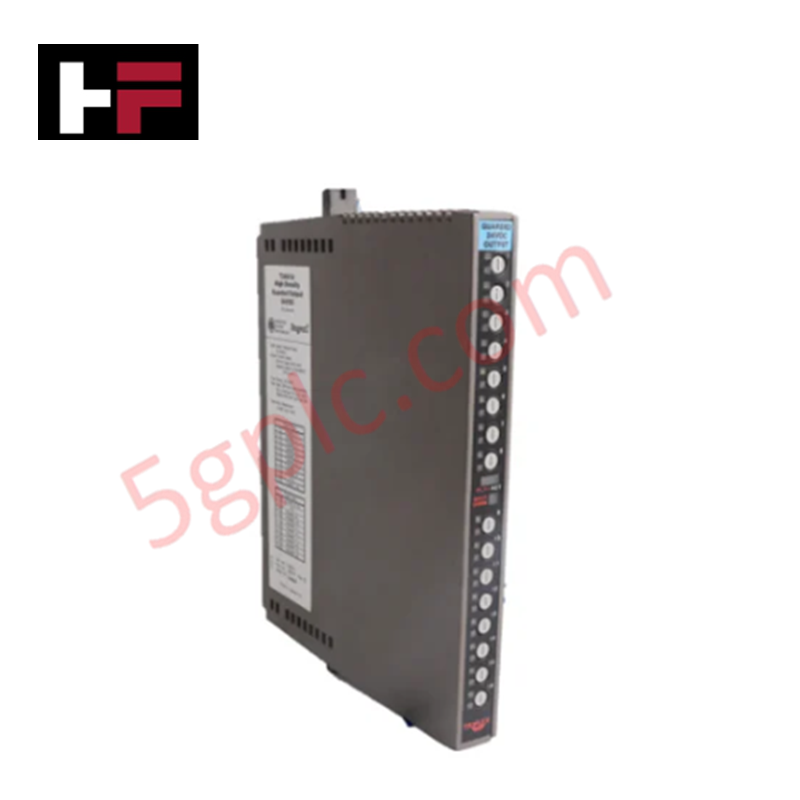
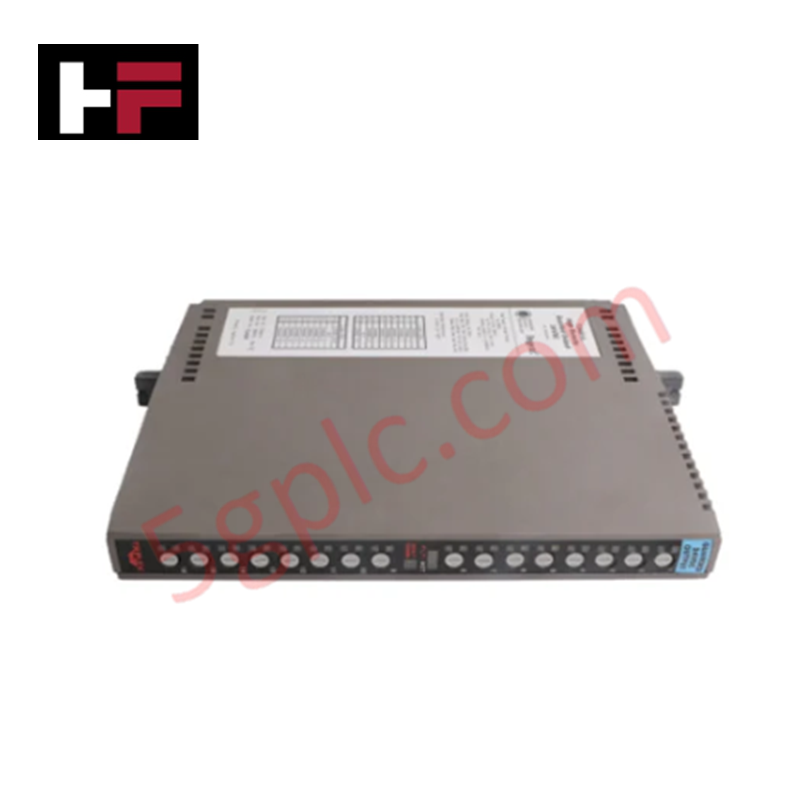
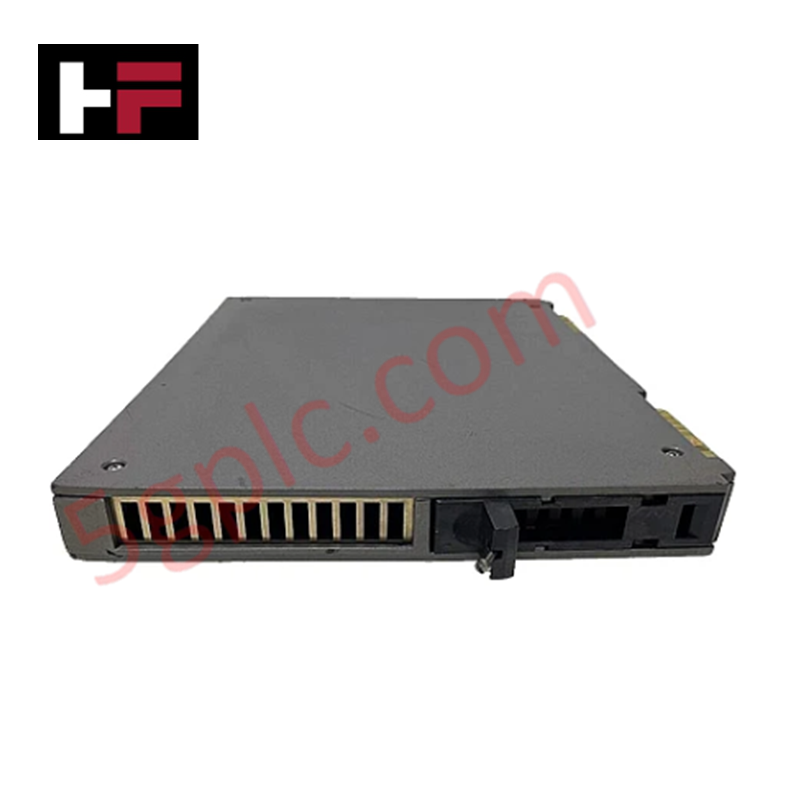
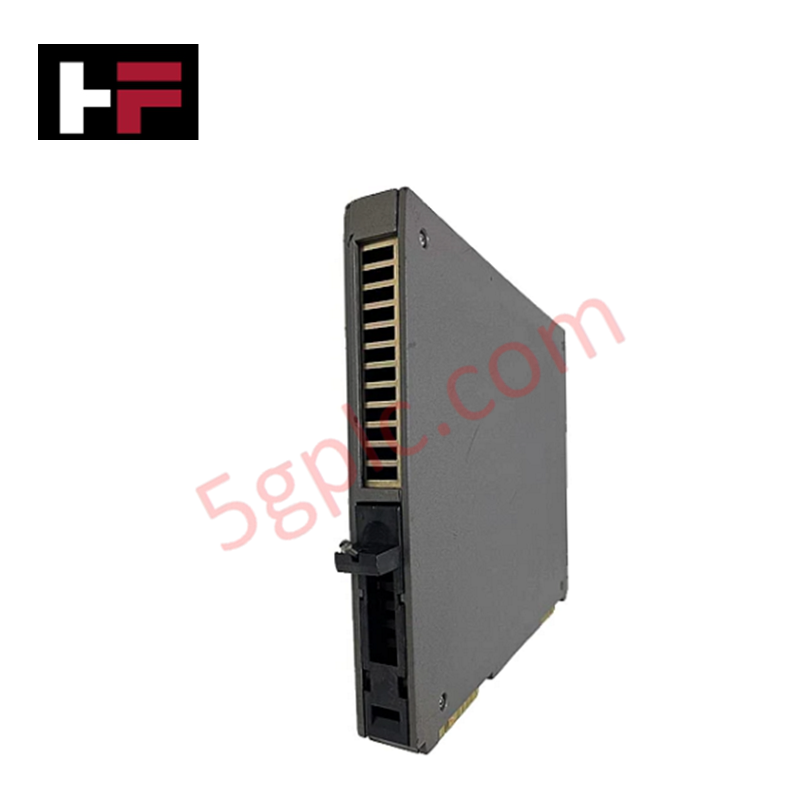
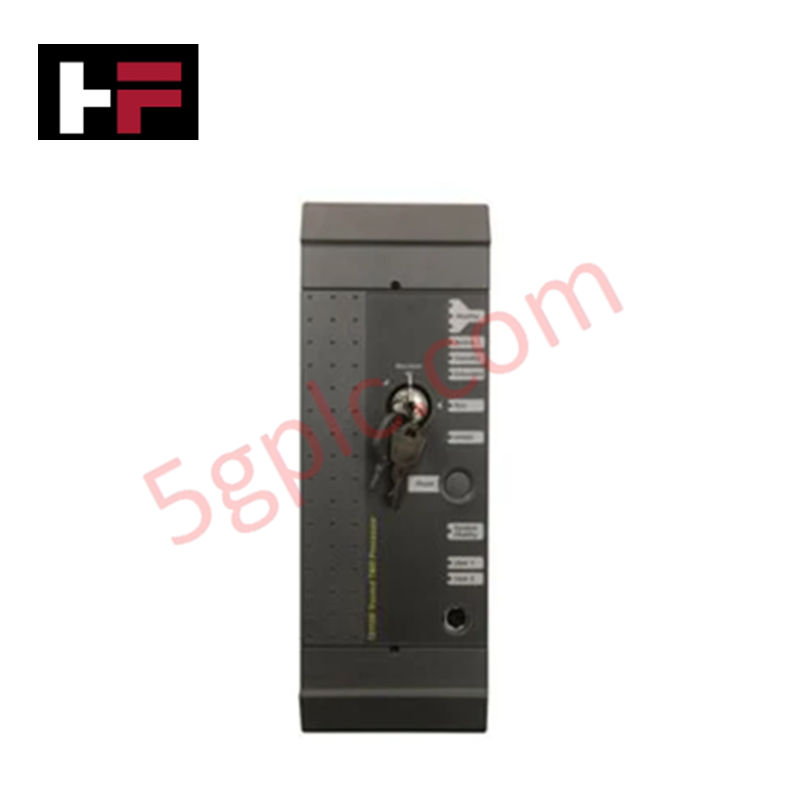
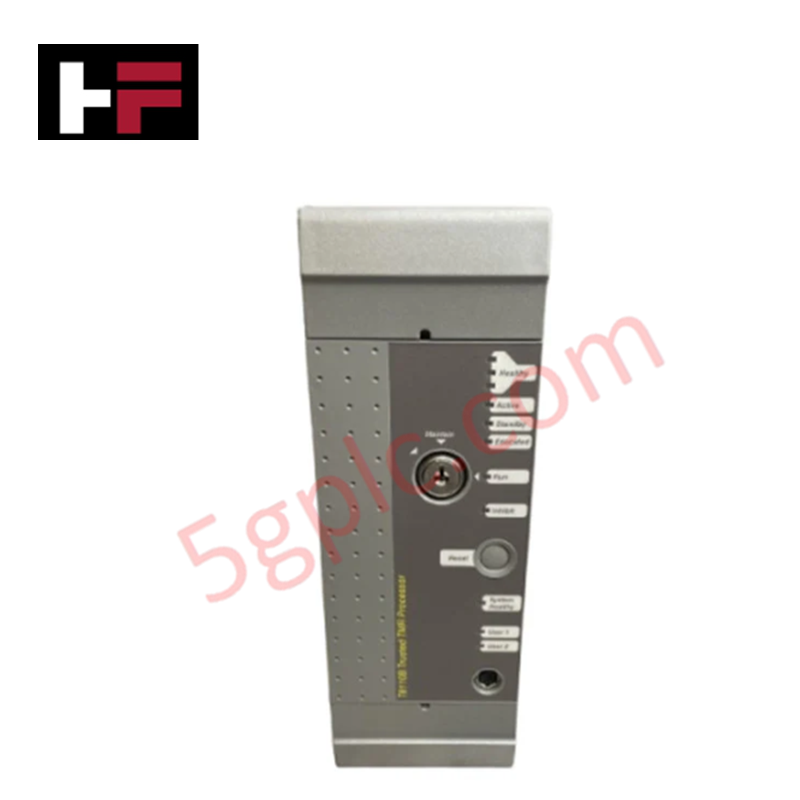
The ICS Triplex T8442 is a high-precision speed monitoring module integrated into the Trusted Triple Modular Redundant (TMR) safety platform. It is specifically engineered to provide SIL 3 rated overspeed and underspeed protection for rotating machinery such as turbines, compressors, and large industrial motors. By utilizing three independent processing channels, the T8442 performs complex frequency measurements and hardware-level voting to ensure that critical trip signals are executed with maximum reliability and zero single points of failure.
Specifications
-
Manufacturer: Rockwell Automation / ICS Triplex
-
Model Designation: T8442
-
Country of Origin: United Kingdom
-
Module Type: Trusted TMR Speed Monitor
-
Input Channels: 3 or 6 independent frequency inputs (dependent on configuration)
-
Frequency Range: 0.05 Hz to 50 kHz
-
Measurement Accuracy: Better than 0.01% of full scale
-
Operating Voltage: 24 Vdc via Trusted Backplane
-
Power Consumption: 10 Watts (Typical)
-
Net Weight: 1.10 kg
-
Isolation: Galvanic isolation up to 50V continuous
Features
-
Triple Modular Redundancy: Employs a fully triplicated internal architecture to provide continuous safety monitoring even in the event of a component failure.
-
On-Board Signal Processing: Performs real-time frequency-to-digital conversion and acceleration calculations directly on the module to minimize system latency.
-
Proximity Probe Compatibility: Supports a wide range of speed sensors including passive magnetic pickups and active proximity probes.
-
Configurable Trip Logic: Allows for sophisticated voting patterns and setpoint management through the Trusted Toolset software.
-
Continuous Self-Testing: Features automatic diagnostic routines that verify the integrity of the input circuitry and internal logic without interrupting the process.
-
Hot-Swap Functionality: Enables the safe removal and replacement of the module under power, maintaining system availability and machinery protection.
Additional Information
- 100% Genuine Parts: All products are original and authentic, ensuring reliable industrial performance.
- 30-Day Refund Guarantee: Return any in-stock item within 30 days in original, unopened packaging for a full refund (excluding shipping and fees).
- 12-Month Warranty: Covers defects in materials or workmanship; excludes misuse, normal wear, or unauthorized modifications.
- Worldwide Shipping: We ship via USPS, UPS, FedEx, and DHL. Delivery times vary by country and may be subject to customs or import fees.
- Support & Contact: Technical and warranty assistance is available anytime. Contact us here: Contact.
- Purchase Guidance: Check product specifications and compatibility carefully before ordering to ensure proper application.
Tech & Buying Guide

Site Acceptance Testing (SAT) for PLC Control Systems: An Engineering Execution Guide
The Site Acceptance Test (SAT) represents the definitive handover stage in industrial automation projects. While the Factory Acceptance Test confirms cabinet hardware assembly off-site, the SAT validates real-world performance under live site conditions. Consequently, a structured execution strategy prevents equipment damage and guarantees seamless integration into plant operations.

Mastering the Factory Acceptance Test (FAT) for PLC Control Panels: An Expert Guide
The Factory Acceptance Test (FAT) is a vital milestone in industrial automation that ensures custom PLC panels meet exact design specifications before dispatch. This guide outlines the step-by-step FAT procedure and key industry best practices to prevent costly site delays and ensure long-term operational success.
Redundant Automation Systems: Ensuring Continuous Uptime in Critical Control Infrastructure
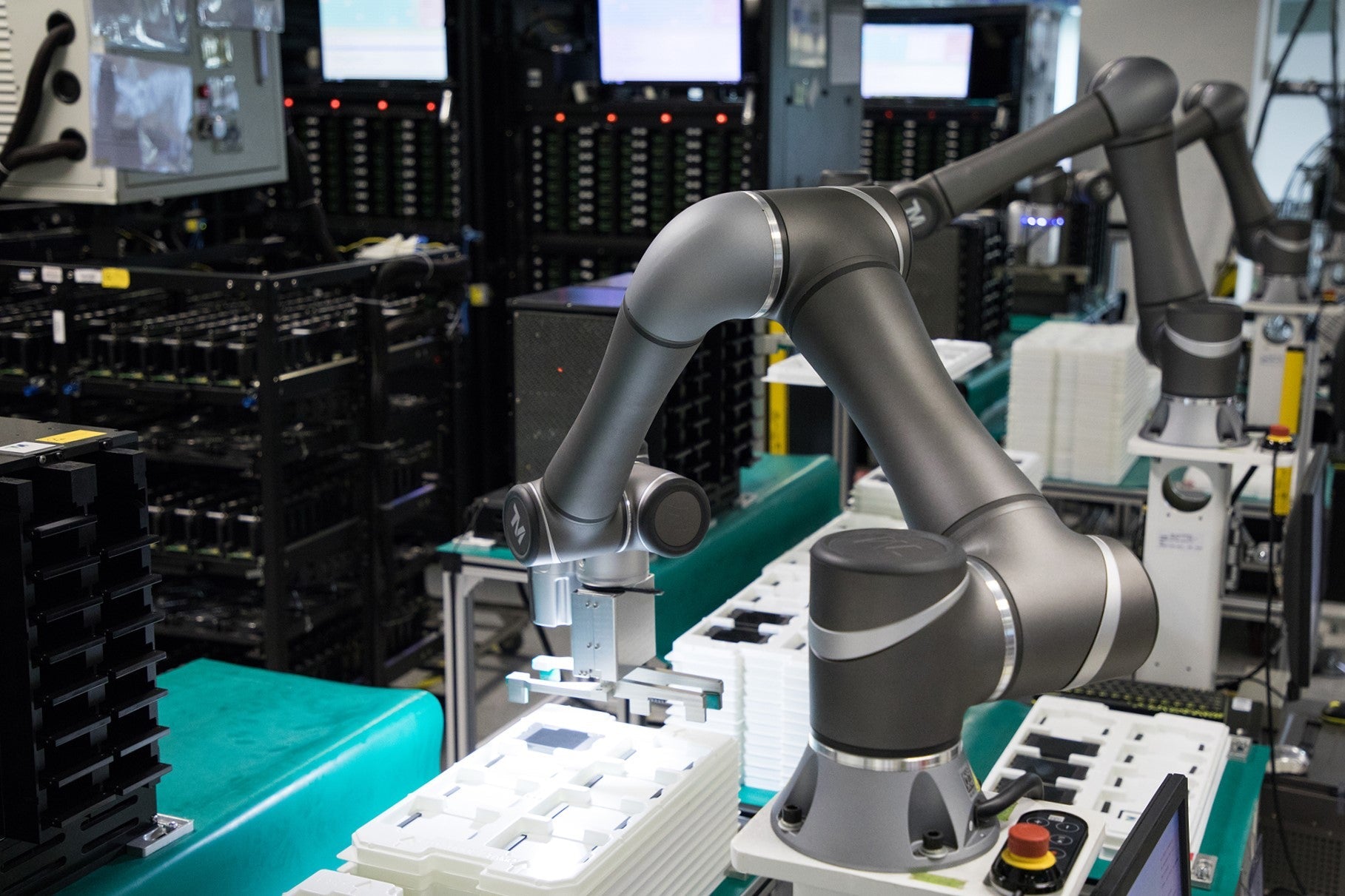
System reliability directly determines operational profitability across high stakes process industries. Modern industrial automation platforms must eliminate single points of failure to prevent catastrophic shutdowns. Deploying fault tolerant architecture safeguards complex facilities against unexpected hardware glitches, network disruptions, and maintenance outages.