










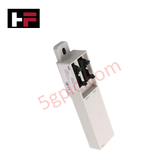
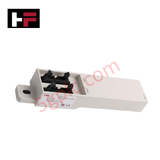
Product Details
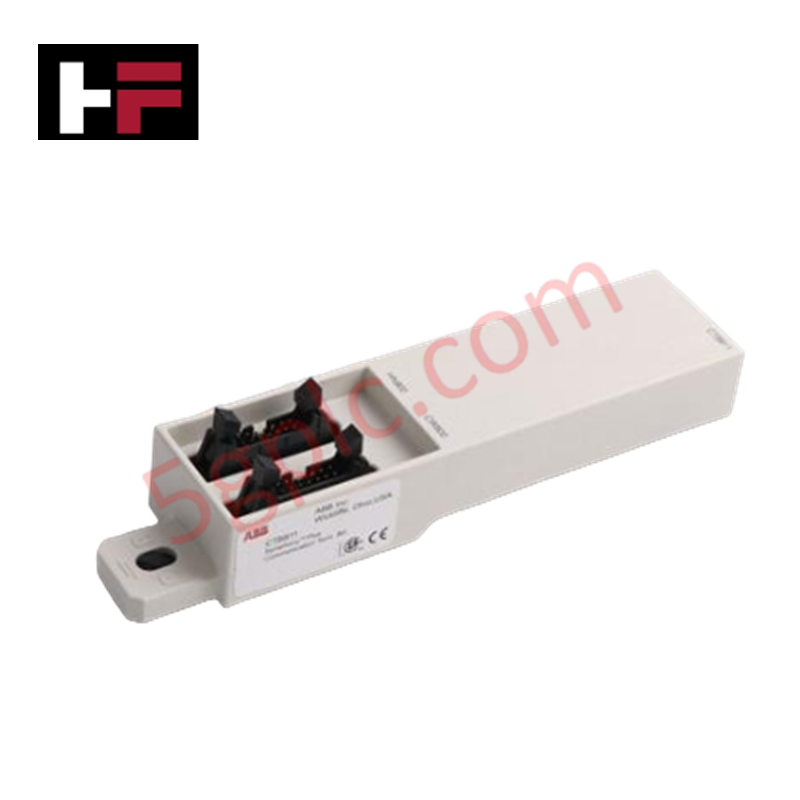
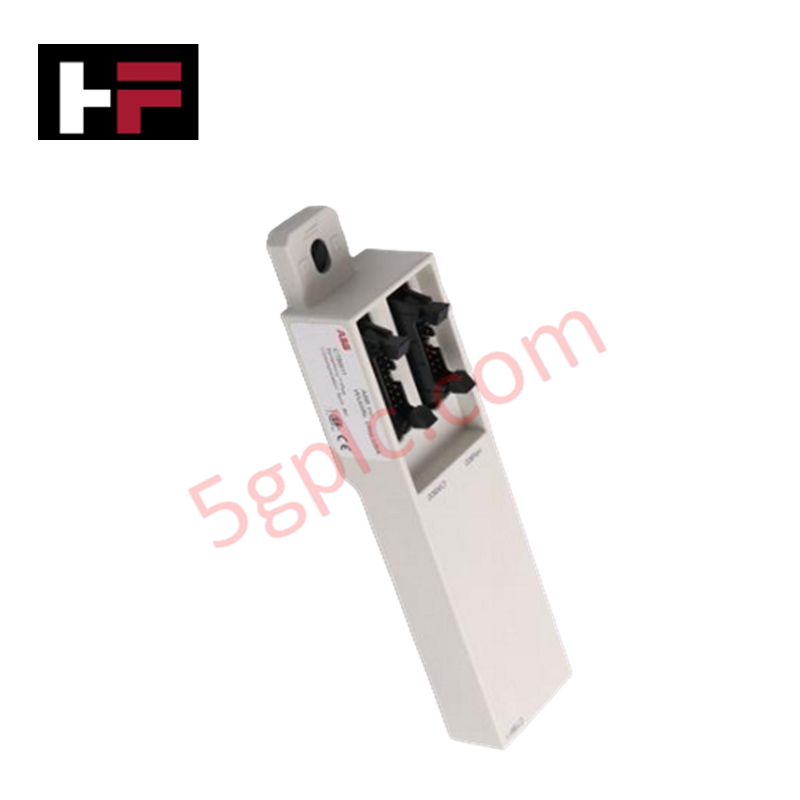
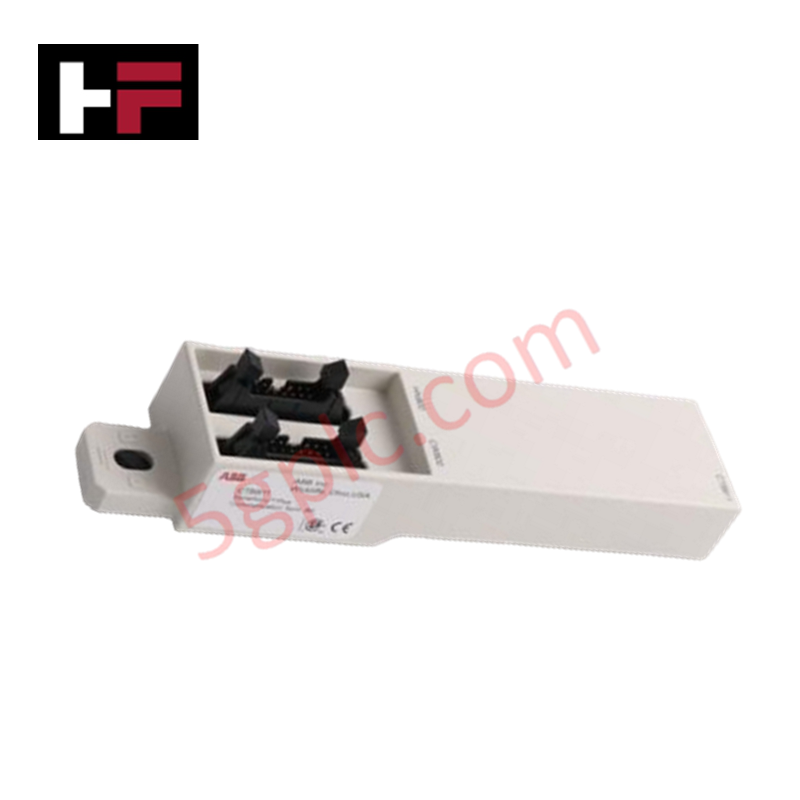
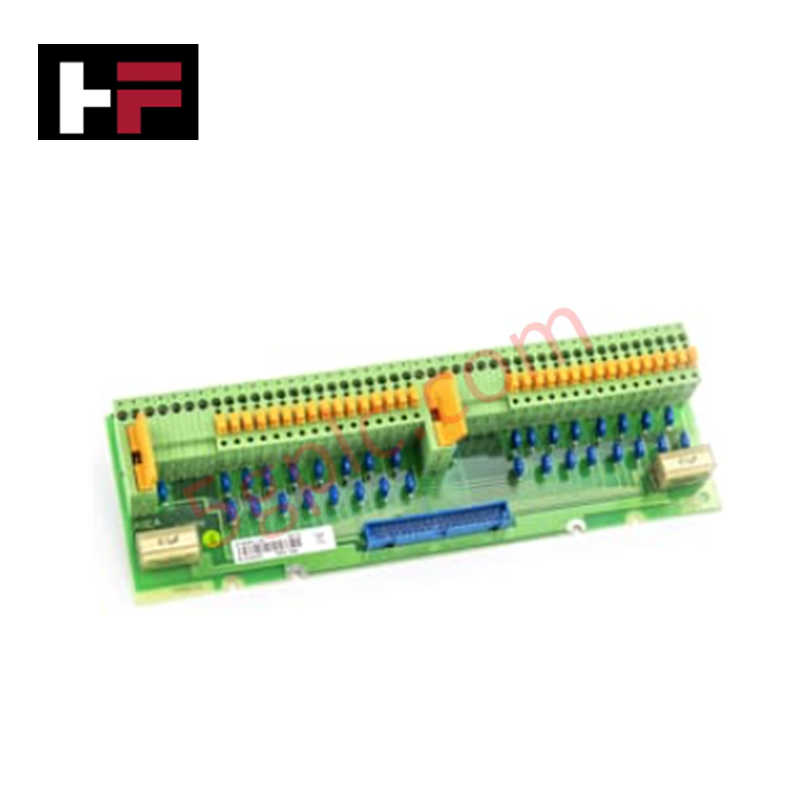
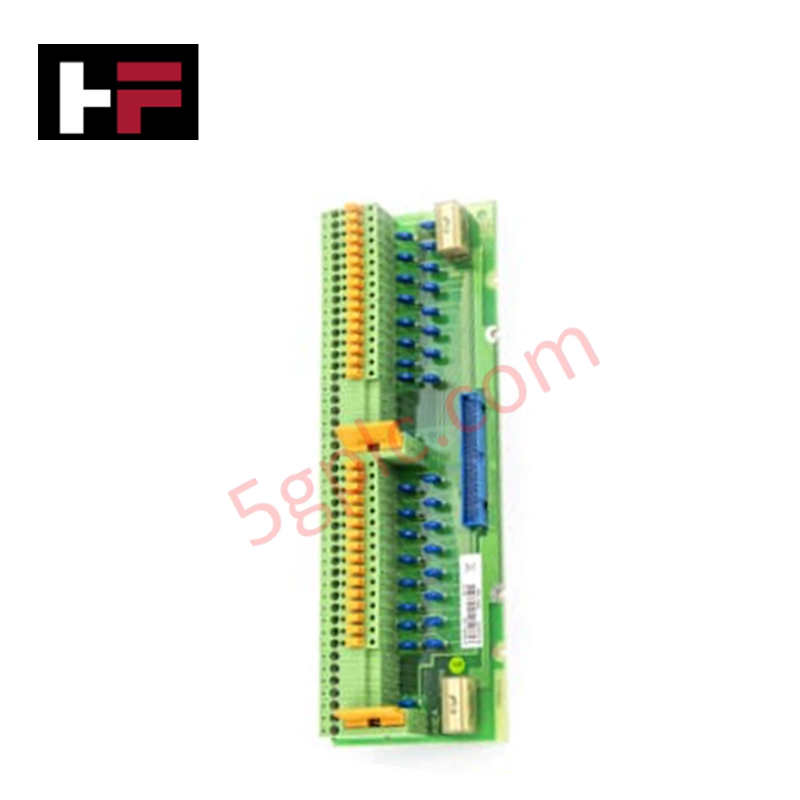
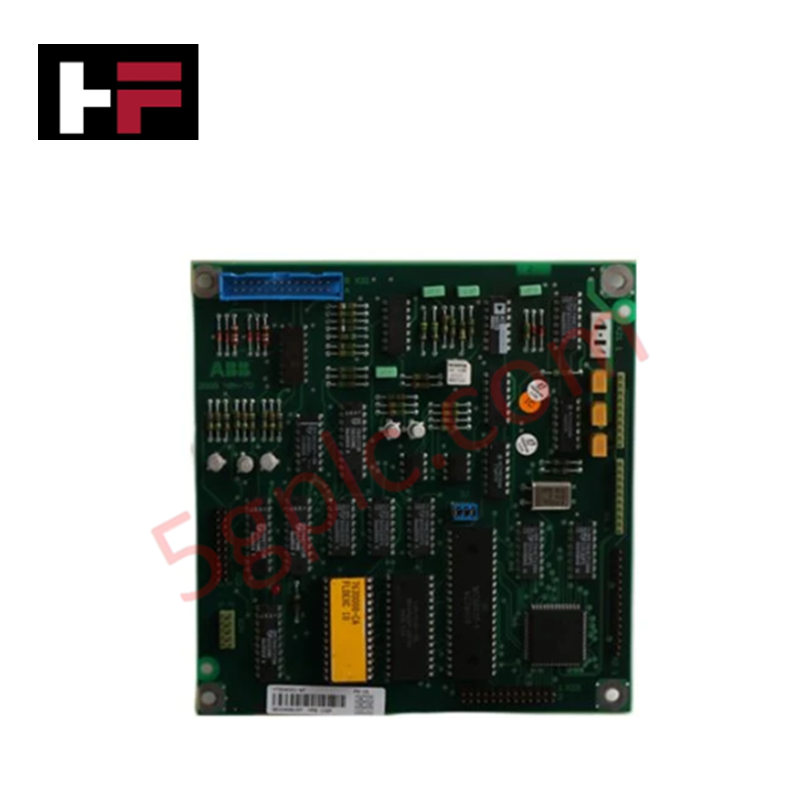
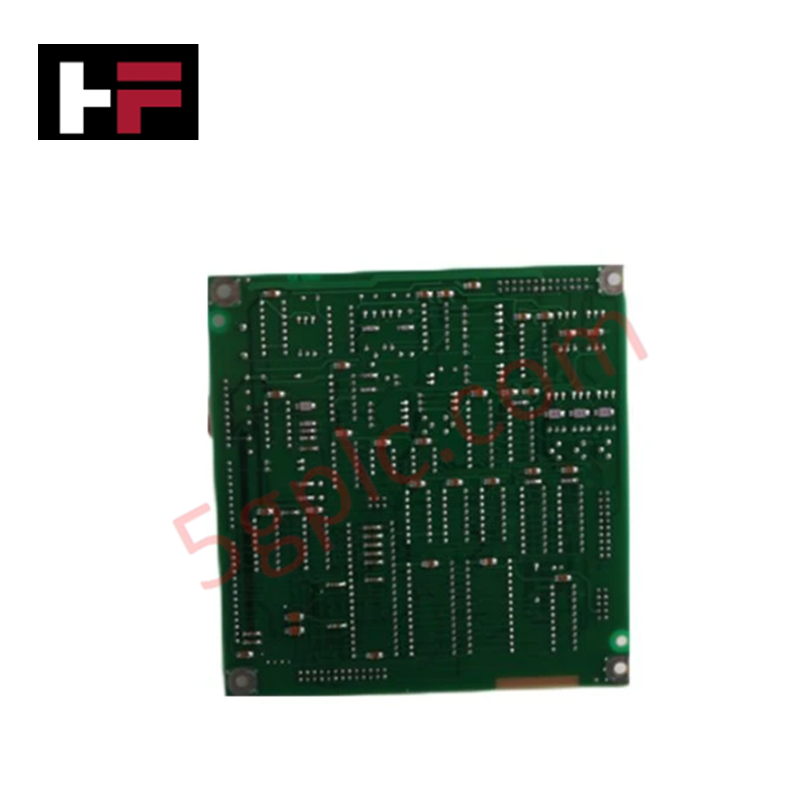
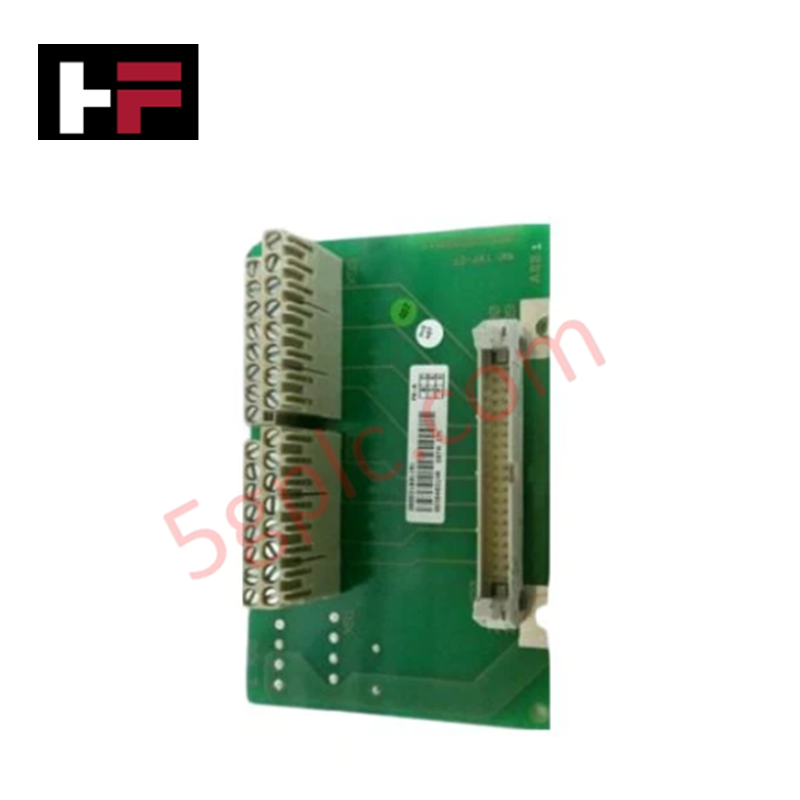
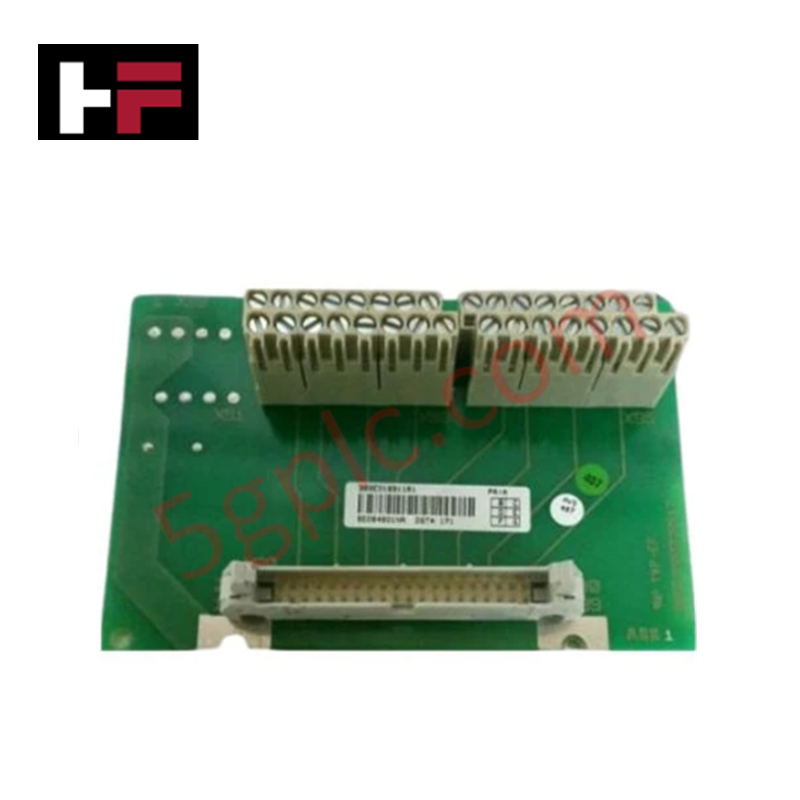
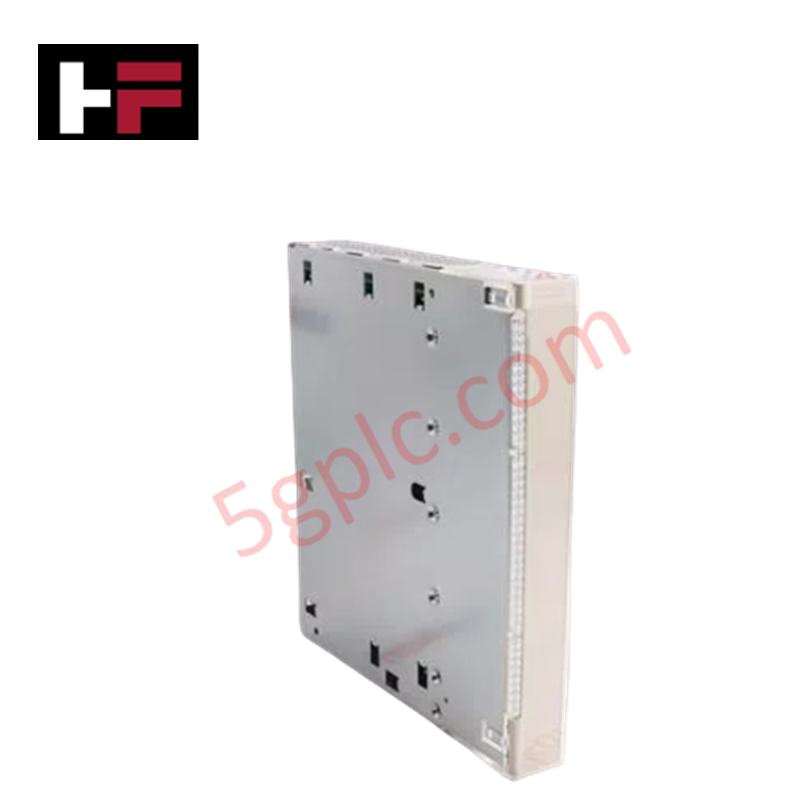
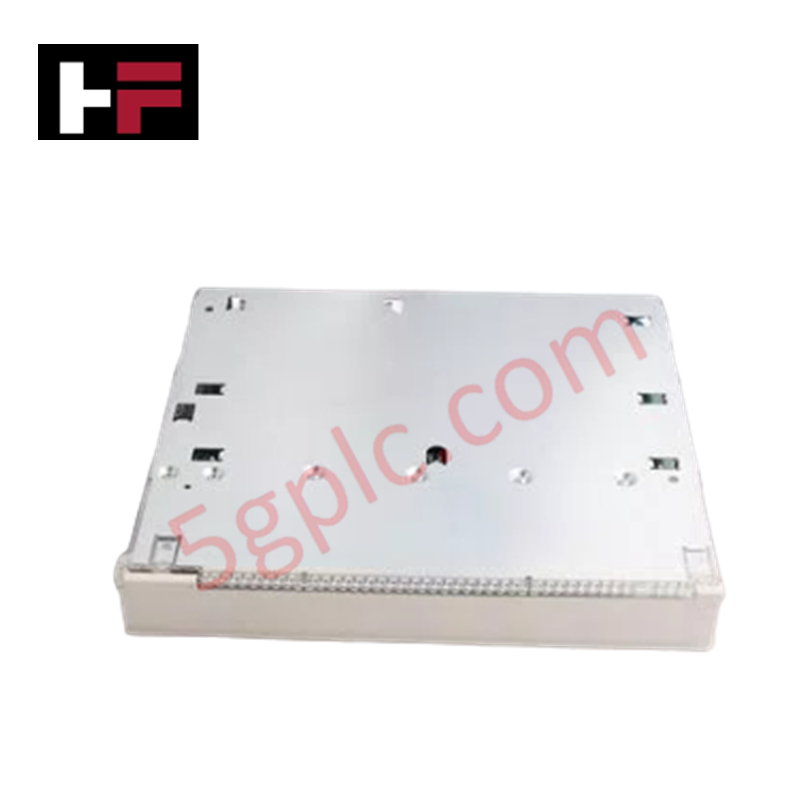
The ABB DSPC173 57310001-MT, also cataloged as the DSPC173 Repeater Module, operates as a dedicated hardware component for localized control logic execution within ABB bus networks. Configured for signal amplification and electrical isolation across extended bus topologies, the assembly reconstructs degraded transmission signals to provide direct physical/electrical execution of real-time communication frames.
Hardware Specifications
| Parameter | Specification |
|---|---|
| Model | DSPC173 57310001-MT |
| Brand | ABB |
| Origin | Switzerland / Sweden (Standard production origin matrix) |
| Weight | 0.3 kg |
| Dimensions | 254 mm x 254 mm x 25 mm |
| Operating Temp | 0 to 60 deg C (Nominal industrial standard) |
| Power Consumption | System backplane bus powered |
| Product Type | Communication Modules |
Profinet / EtherNet/IP Deterministic Networks and I/O Density Scaling
The internal signal conditioning circuits of the ABB DSPC173 57310001-MT are calibrated to maintain strict alignment with design-specified backplane bus communication velocity metrics. When bridging segmented local architecture fields to broader Profinet or EtherNet/IP deterministic networks, the hardware minimizes propagation delay and prevents packet collision. The physical sub-assembly configuration isolates noise vectors during massive I/O density scaling phases, ensuring that local node branch extensions operate reliably within the bounds of host controller firmware flash compatibility parameters.
Frequently Asked Questions
Q: Is hot-swapping or live extraction of the DSPC173 repeater card supported while the system backplane is energized?
A: No. The board lacks dedicated live-insertion isolation switches. Removing or re-inserting the hardware component while the bus segments are powered can introduce transient voltage arcs, potentially causing data corruption on adjacent network nodes or permanent physical trace damage.
Q: How is signal link degradation diagnosed on the DSPC173 module?
A: Status indication loops must be verified through the centralized system controller diagnostic registers. If attenuation faults occur, check for proper input voltage thresholds from the backplane and verify that the connected network lengths do not exceed maximum specified segment distances.
Field Installation Guidelines
- ESD Handling Requirements: Field technicians must wear a properly grounded electrostatic discharge (ESD) wrist strap prior to removing the hardware from its shielding packaging to prevent latent dielectric breakdown.
- Chassis Alignment and Fastening: Slide the card smoothly along the dedicated chassis enclosure guide channels to prevent pin deformation on the backplane interface. Tighten all front faceplate screws to maintain structural ground continuity under continuous plant vibration.
- Data Cable Routing Separation: Route all external network communication lines through separate low-voltage wireways. Maintain a physical clearance of at least 100 mm from power distribution conductors and variable frequency drive motor leads to mitigate inductive coupling.
- Environmental Control Verification: Ensure the module is situated in an IP 54 or better enclosure free from moisture condensation and airborne conductive soot to avoid physical tracking short-circuits on the unshielded circuit paths.
Additional Information
- 100% Genuine Parts: All products are original and authentic, ensuring reliable industrial performance.
- 30-Day Refund Guarantee: Return any in-stock item within 30 days in original, unopened packaging for a full refund (excluding shipping and fees).
- 12-Month Warranty: Covers defects in materials or workmanship; excludes misuse, normal wear, or unauthorized modifications.
- Worldwide Shipping: We ship via USPS, UPS, FedEx, and DHL. Delivery times vary by country and may be subject to customs or import fees.
- Support & Contact: Technical and warranty assistance is available anytime. Contact us here: Contact.
- Purchase Guidance: Check product specifications and compatibility carefully before ordering to ensure proper application.
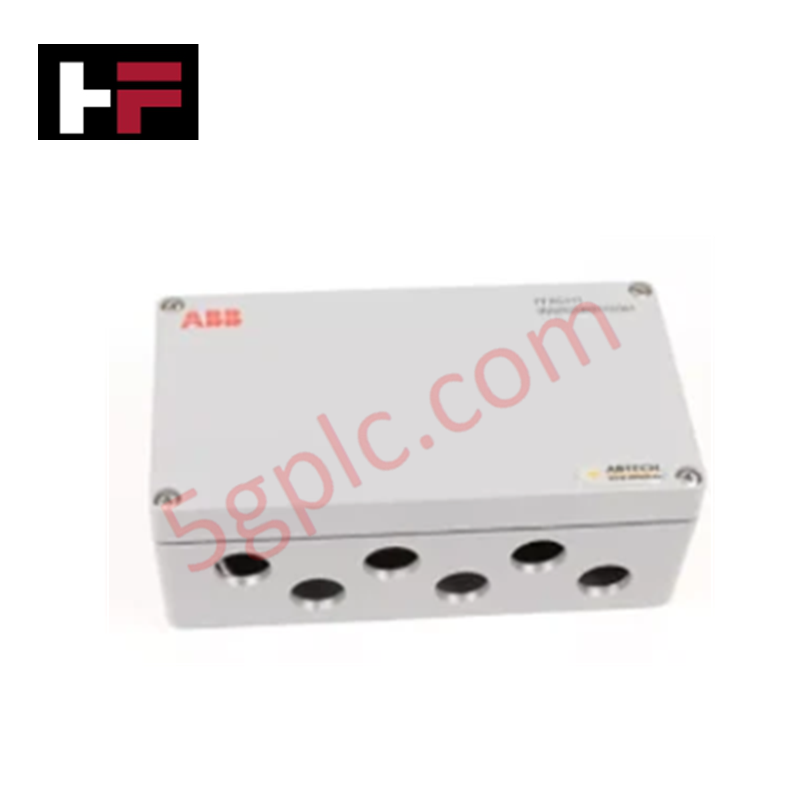
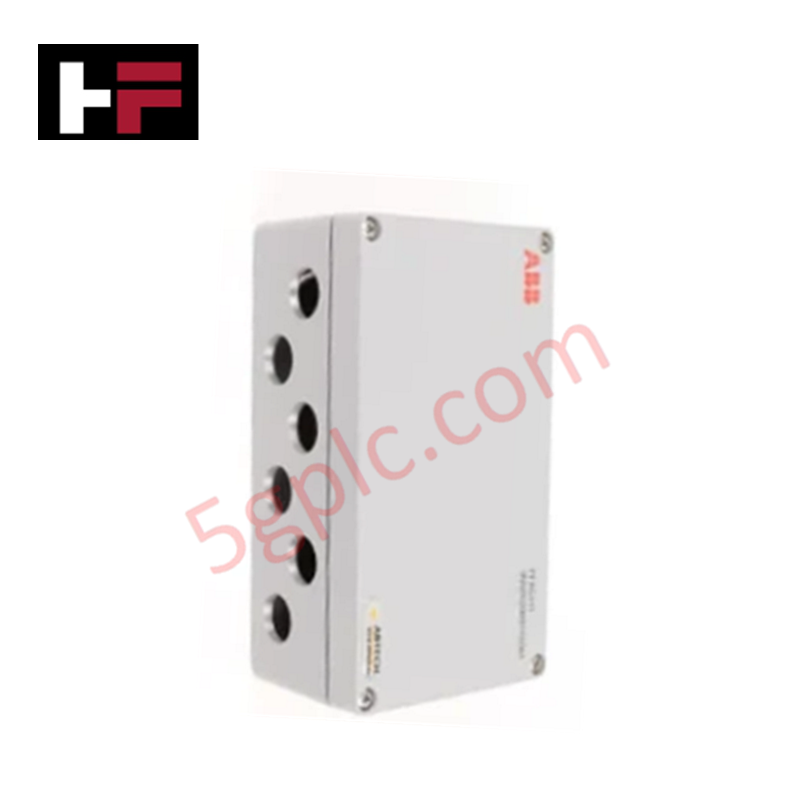
Tech & Buying Guide

Master Acceptance Testing: Understanding FAT and SAT in Industrial Control Systems
Factory Acceptance Testing (FAT) and Site Acceptance Testing (SAT) serve as critical quality assurance gateways in complex industrial control systems. Both procedures verify that programmable logic controllers (PLCs), distributed control systems (DCS), and associated field devices meet strict functional specifications. However, executing these tests effectively requires clear delineation between off-site staging and final field commissioning.

Industrial Networking Essentials: Demystifying Hubs, Switches, and Routers in Control Systems
Industrial automation relies heavily on robust networking infrastructure to connect programmable logic controllers (PLCs), distributed control systems (DCS), and human-machine interfaces (HMIs). Modern factory automation environments generate vast amounts of real-time operational data across deterministic networks. Understanding the structural differences between hubs, switches, and routers ensures optimal traffic segmentation, minimizes latency, and maintains high network availability.

Safety Relays in Industrial Automation: Fundamentals, Design Standards, and Fail-Safe Architecture
Safety relays form the bedrock of functional safety in modern factory automation, preventing catastrophic equipment failure and protecting plant personnel. While standard electromechanical relays handle basic load switching, they lack the redundant diagnostics required for high-risk industrial environments. Modern industrial automation platforms—including programmable logic controllers (PLCs) and distributed control systems (DCS)—rely on specialized safety relays to monitor field devices and isolate hazards instantly.