










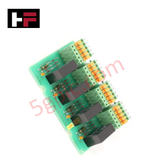
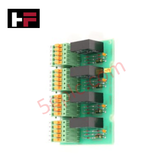
Product Details
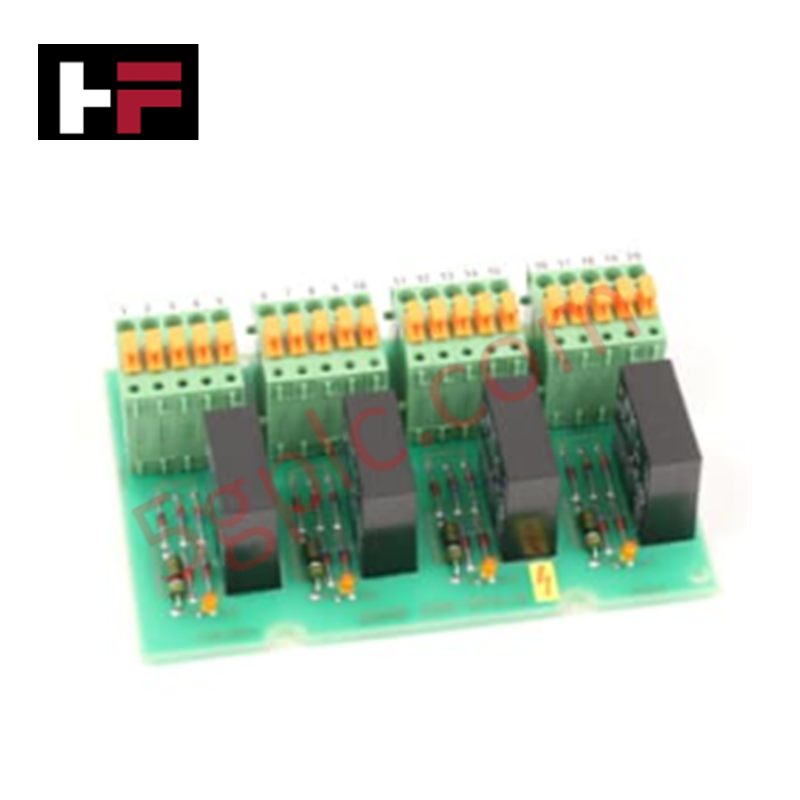
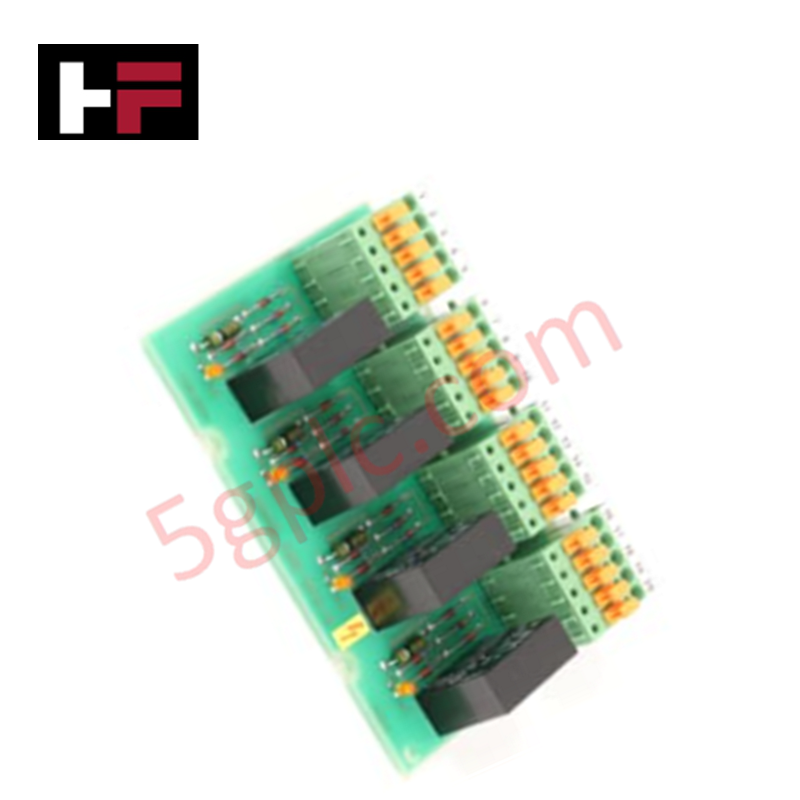
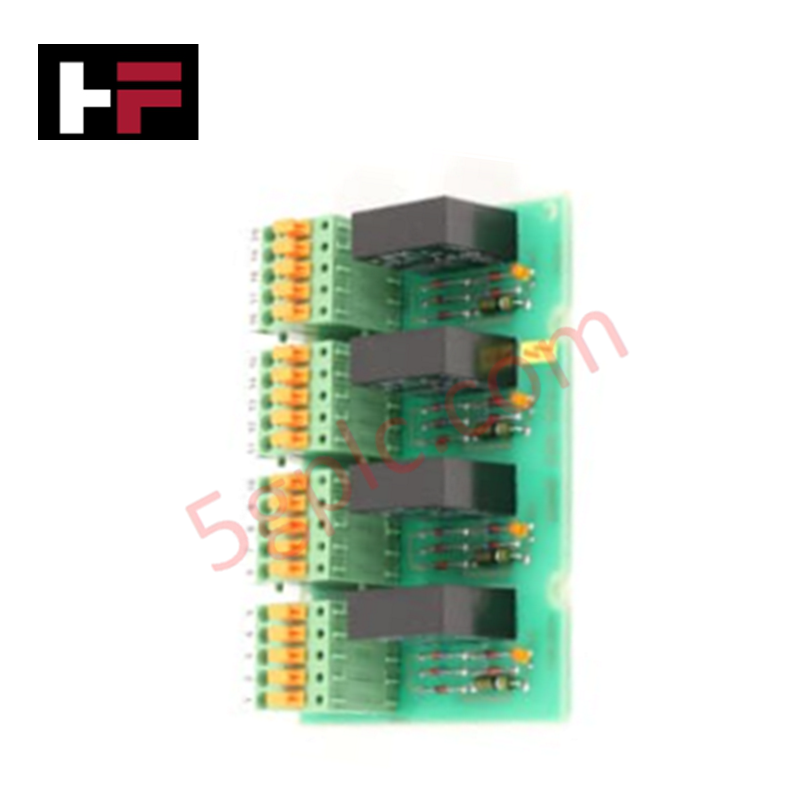
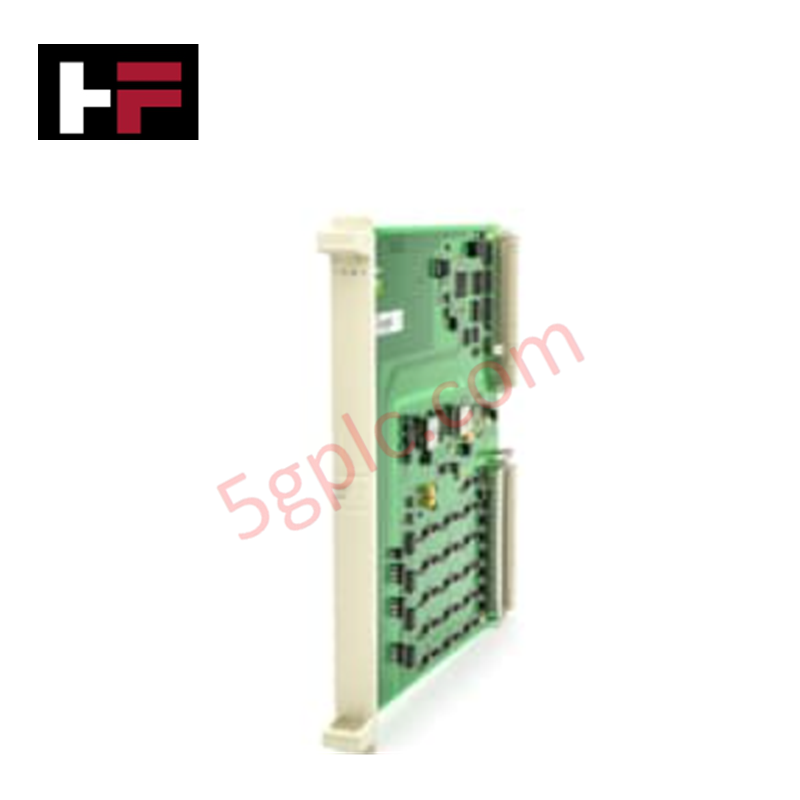
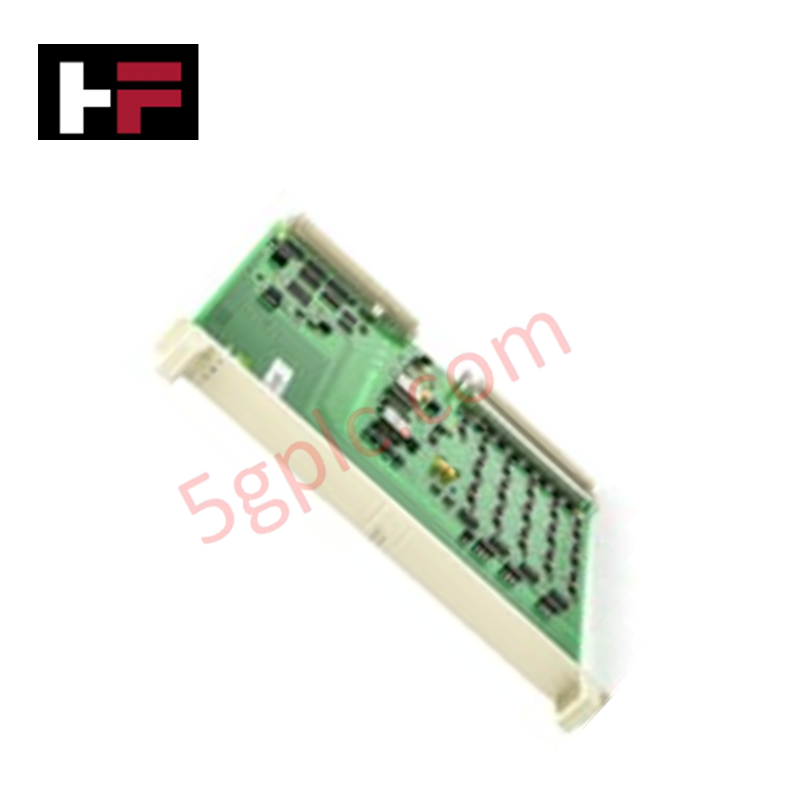
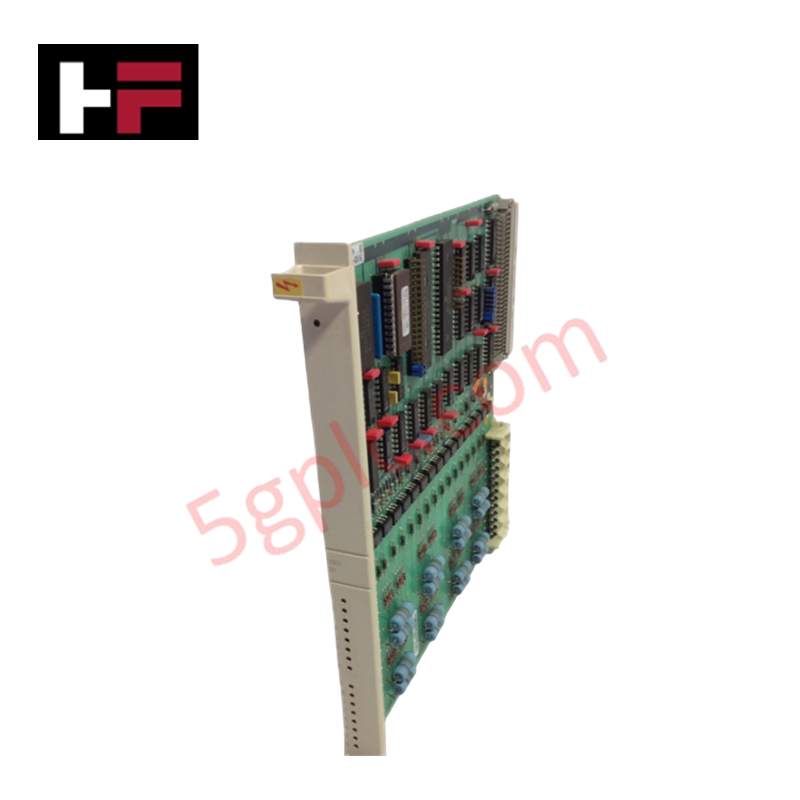
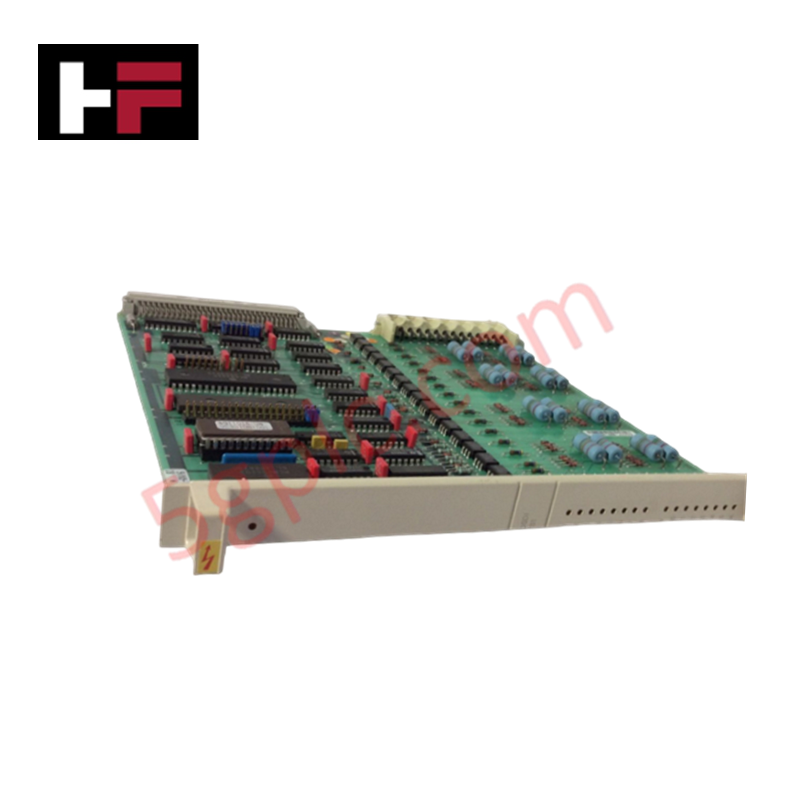
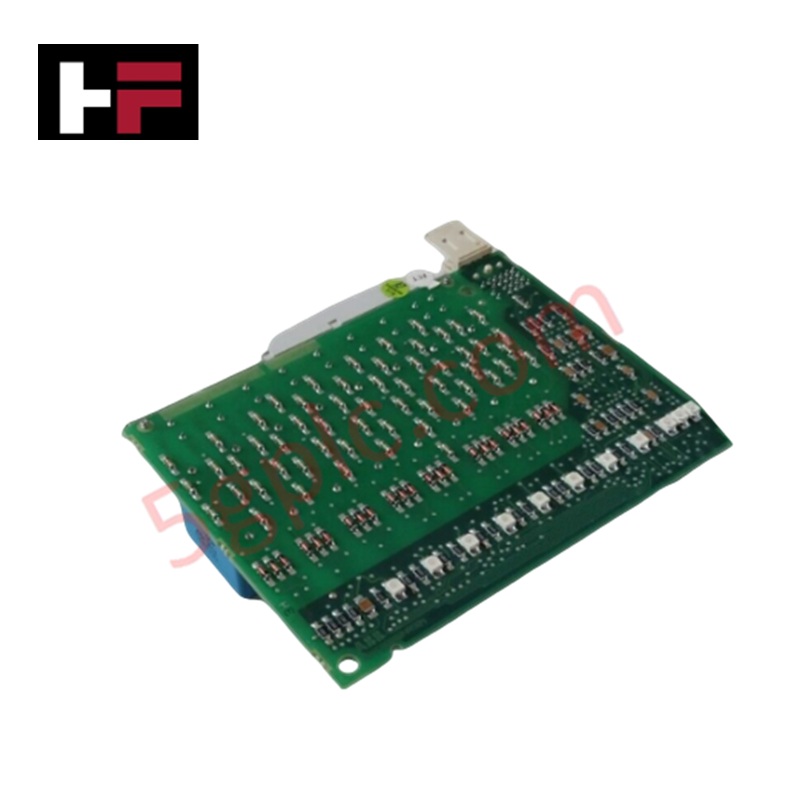
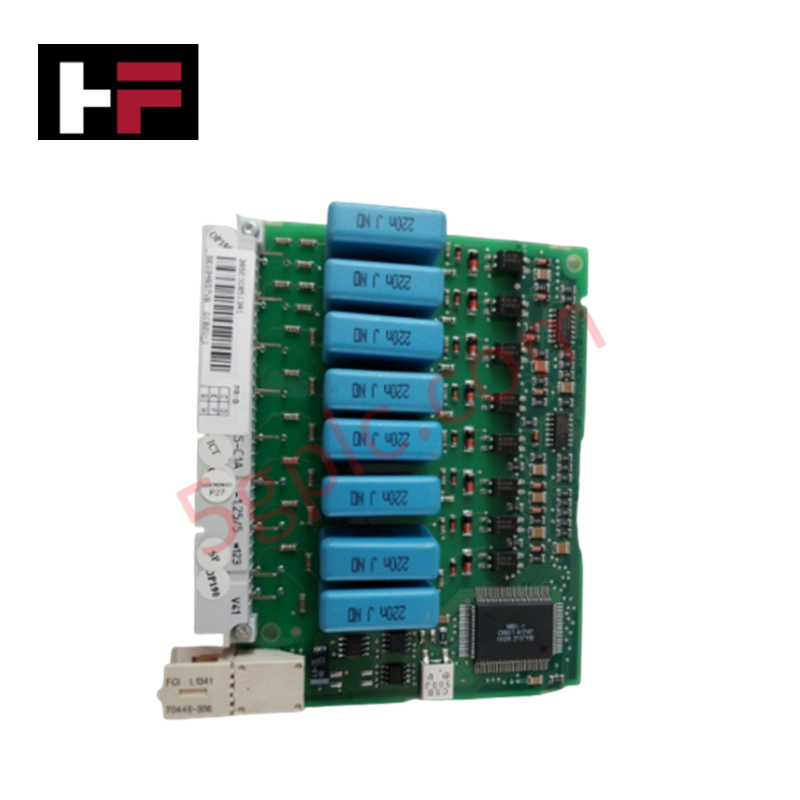
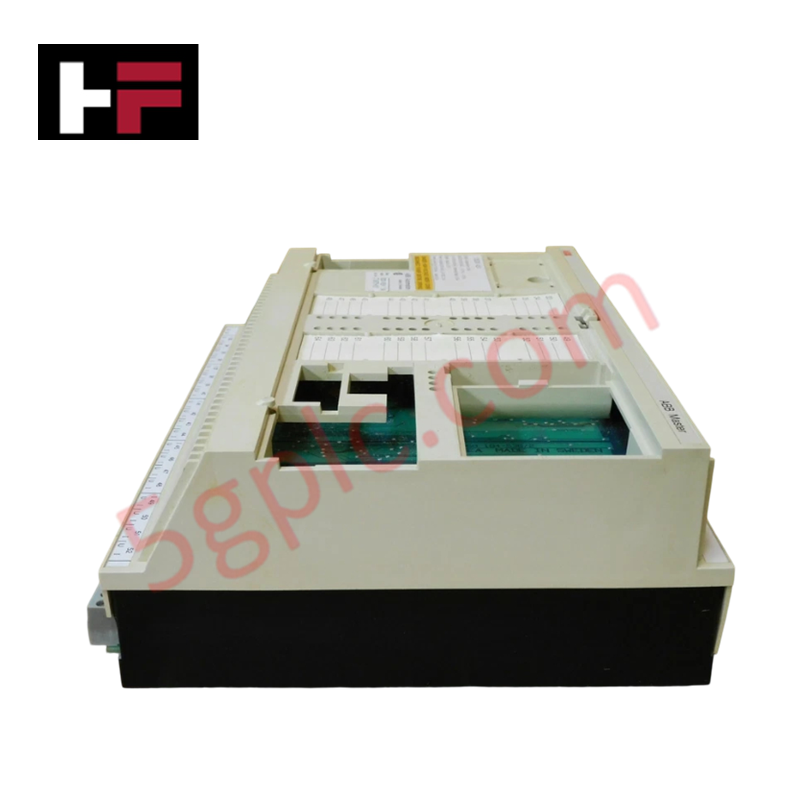
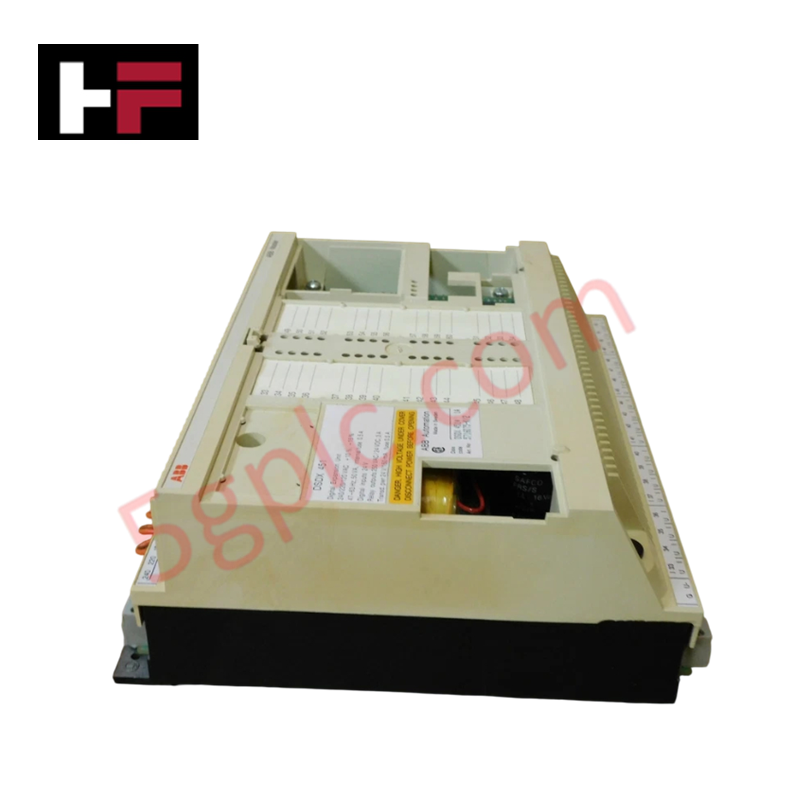
Configured for specialized contact switching functions in industrial control networks, the ABB PFVK 108 (PFVK 108 Relay Board) provides direct physical/electrical execution. Operating as a dedicated hardware module, this component routes binary command signals between internal processing backplanes and field actuator circuits via localized contact sets driven by an on-board 24 VDC voltage supply loop.
Hardware Specifications
| Parameter | Specification |
|---|---|
| Model | PFVK 108 (YM110001-SH) |
| Brand | ABB |
| Origin | Sweden |
| Weight | 0.205 kg |
| Dimensions | 120 mm x 80 mm (Substrate area) |
| Operating Temp | 0 to 60 deg C |
| Power Consumption | Nominally powered by 24 VDC supply |
| Part Type | Relay Board (Spare Parts Classification) |
| Customs Tariff Number | 85389091 |
| WEEE Category | Product Not in WEEE Scope |
Profinet / EtherNet/IP Deterministic Networks and I/O Density Scaling
The execution latency of the ABB PFVK 108 is timed to match localized backplane bus communication velocity constraints within high-density control racks. By decoupling the field inductive loops through independent relay sets, the board prevents electrical noise propagation from degrading downstream Profinet or EtherNet/IP deterministic networks. This isolation configuration protects logic processors during peak I/O density scaling phases, preventing data frame dropouts on the active communication channels and maintaining steady deterministic scan intervals across the system node map.
Frequently Asked Questions
Q: What are the primary diagnostic validation requirements before cycling the 24 VDC power supply to the board?
A: Check the input power wire polarity to make sure it aligns with the terminal markings. Verify that the combined inductive and resistive load assigned across the relay contacts does not surpass the nominal maximum safety limits of the micro-relays on the 120x80 mm substrate.
Q: Is this relay board rated for live insertion or extraction while the backplane bus is energized?
A: No. Hot-swapping the board when the 24 VDC power supply loop is live can introduce arc discharges across the power pins and trigger inductive voltage transients. This can cause fault trips or firmware lockups on adjacent digital modules within the same rack network segment.
Field Installation Guidelines
- DIN-Rail or Sub-Panel Mounting: Secure the board inside a dust-free enclosure using standard industrial standoffs or a compatible mounting base to fit the 120x80 mm dimensions. Ensure no mechanical flexing stress impacts the printed circuit board assembly.
- Wiring and Clearance: Maintain a distinct separation distance of at least 50 mm between the low-voltage 24 VDC supply inputs and any high-voltage field wiring connected to the relay switching output contacts.
- Inductive Load Suppression: Install flyback diodes for DC inductive loads or RC snubbers for AC inductive loads across the external field device terminals. This step suppresses voltage spikes during contact switching and extends terminal life.
- Shielding Compliance: Terminate any field signal line shields at the single-point instrument ground bus bar inside the enclosure. Do not form multiple ground connections to ensure ground loop currents are not generated.
Additional Information
- 100% Genuine Parts: All products are original and authentic, ensuring reliable industrial performance.
- 30-Day Refund Guarantee: Return any in-stock item within 30 days in original, unopened packaging for a full refund (excluding shipping and fees).
- 12-Month Warranty: Covers defects in materials or workmanship; excludes misuse, normal wear, or unauthorized modifications.
- Worldwide Shipping: We ship via USPS, UPS, FedEx, and DHL. Delivery times vary by country and may be subject to customs or import fees.
- Support & Contact: Technical and warranty assistance is available anytime. Contact us here: Contact.
- Purchase Guidance: Check product specifications and compatibility carefully before ordering to ensure proper application.
Tech & Buying Guide

Why 24V DC Power Supplies Standardize Modern Industrial Automation
Industrial control cabinets worldwide rely on 24V DC as the universal power standard for field instrumentation, sensors, and controllers. Walk into any manufacturing plant, and you will find PLCs, human-machine interfaces (HMIs), and smart actuators running on extra-low voltage DC. Standardizing on 24V DC enhances operational safety, lowers cabinet footprint, and maintains steady control performance across factory networks.

Essential Motion Control Commands: A Practical Guide for Engineers
Automation engineers often rely on precise position and speed control to drive modern factory machinery. Modern industrial systems, such as Programmable Logic Controllers (PLCs) and Distributed Control Systems (DCS), depend heavily on standardized motion instructions. Mastering these commands ensures operational safety, protects mechanical components, and optimizes cycle times across production lines.

Mastering Modern Industrial Joystick Controls in Heavy Automation
Industrial joysticks play a pivotal role in human-machine interaction across heavy material handling and mobile hydraulics. These tactile controllers translate complex operator movements into precise electrical signals for PLCs, motion controllers, and DCS networks. Consequently, selecting and installing the right joystick architecture ensures operator safety, reduces fatigue, and optimizes equipment performance.