










Product Details
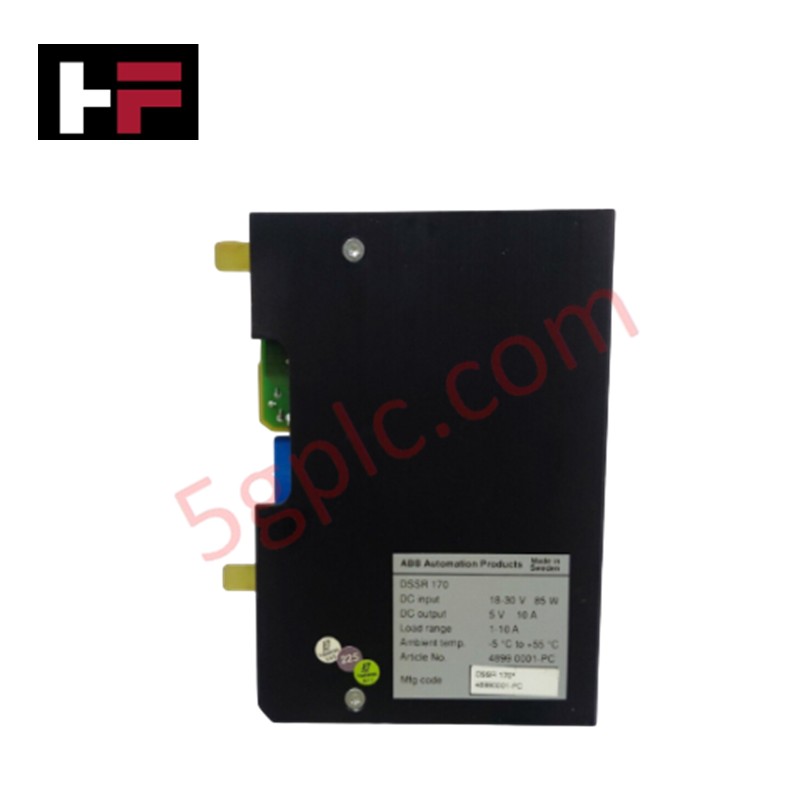
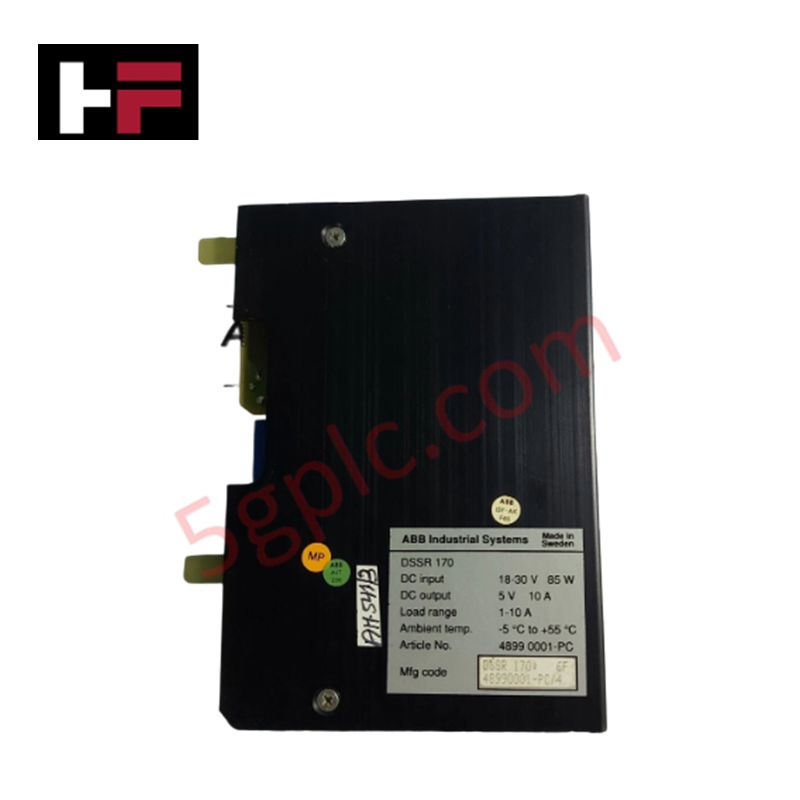
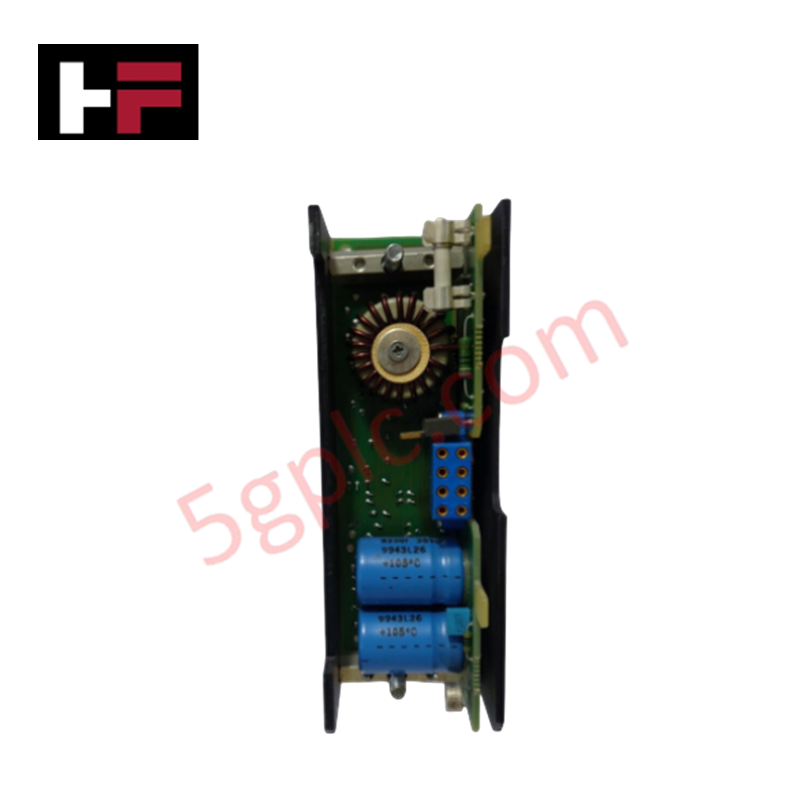
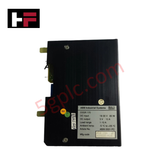
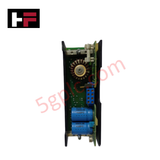
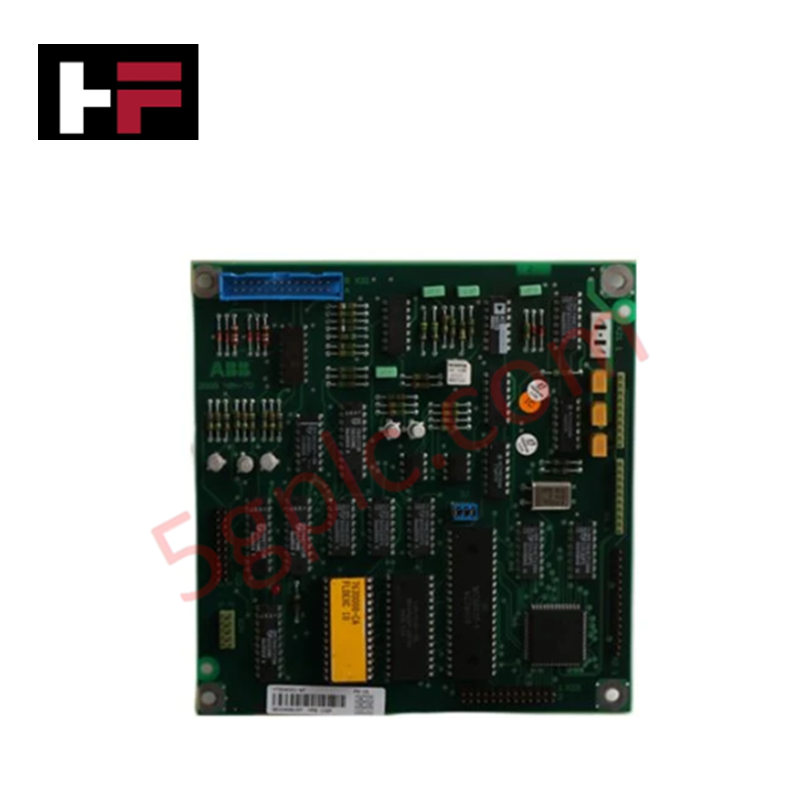
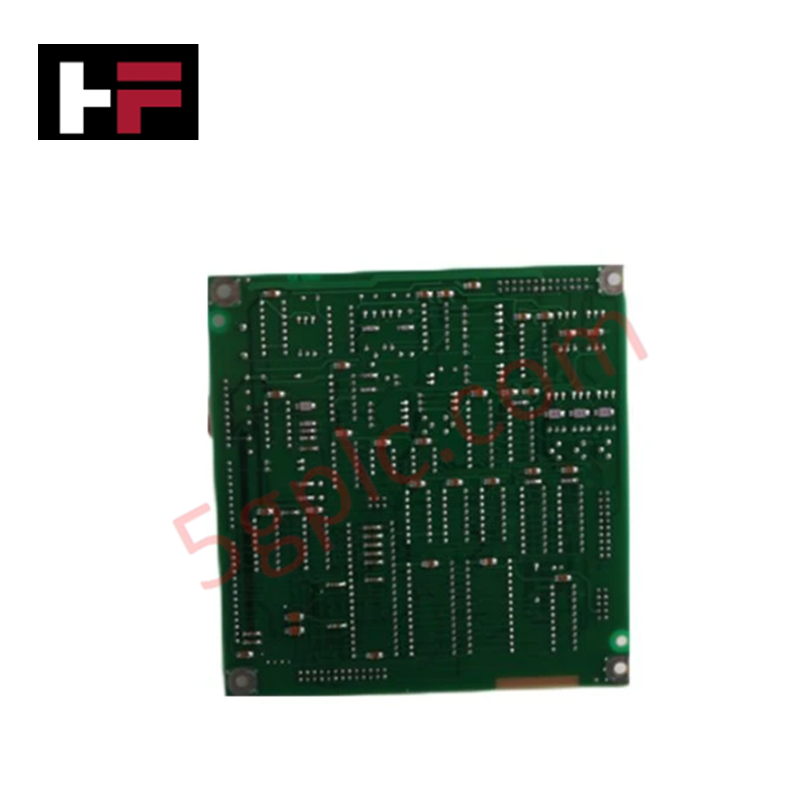
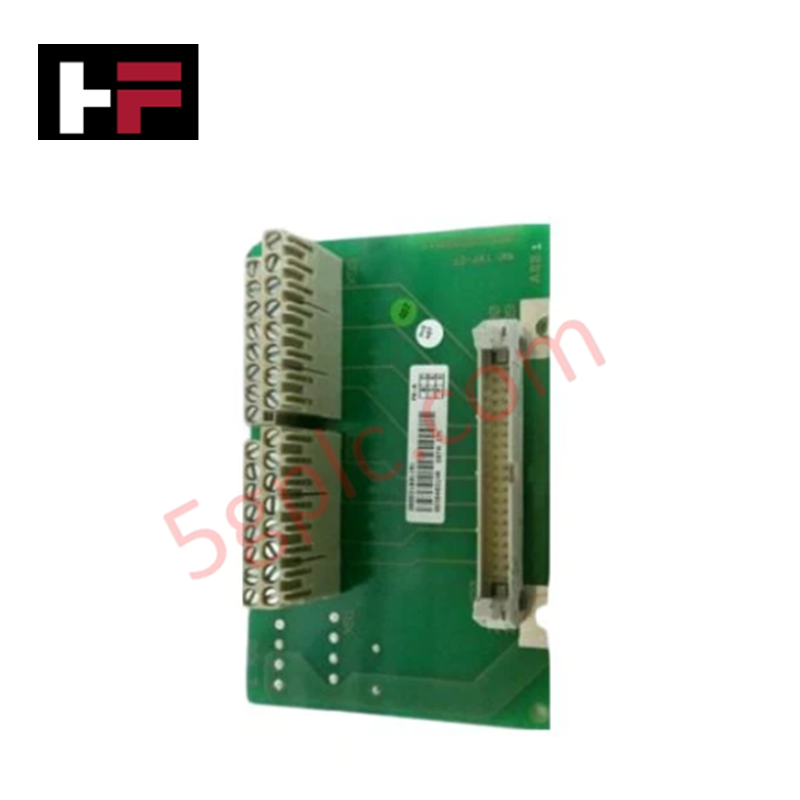
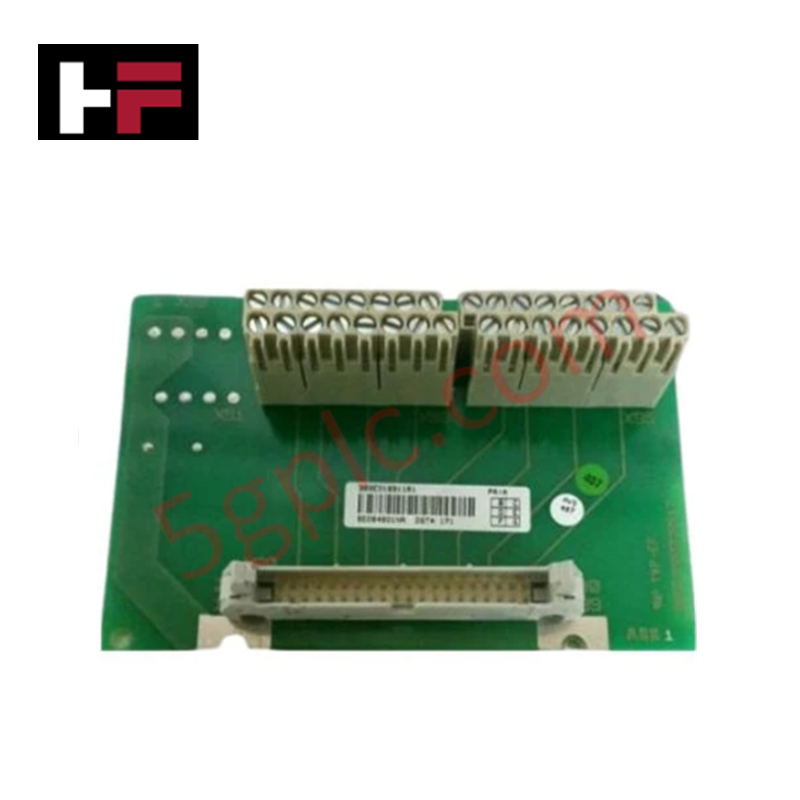
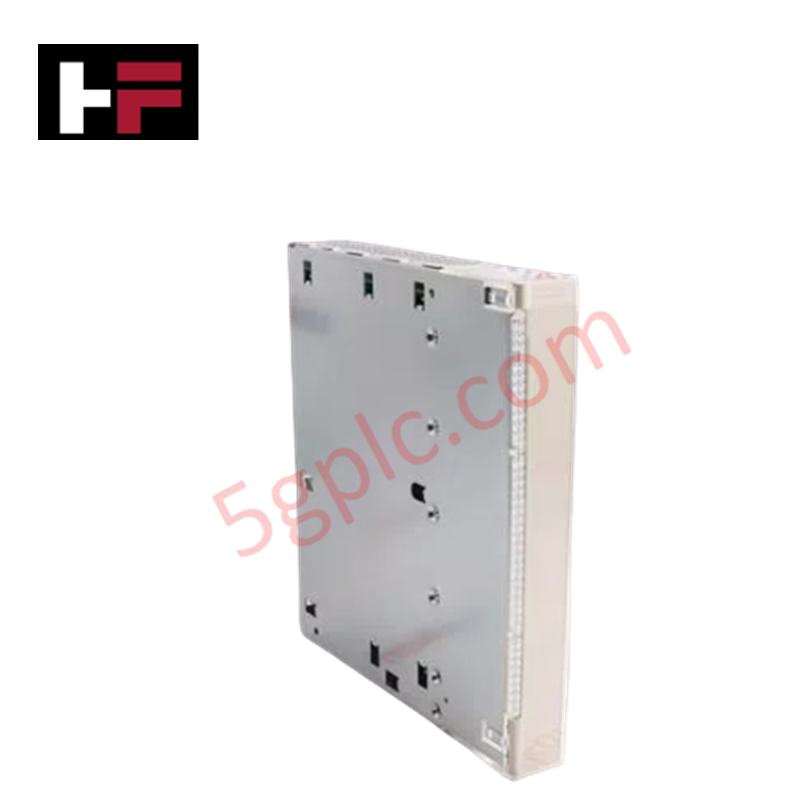
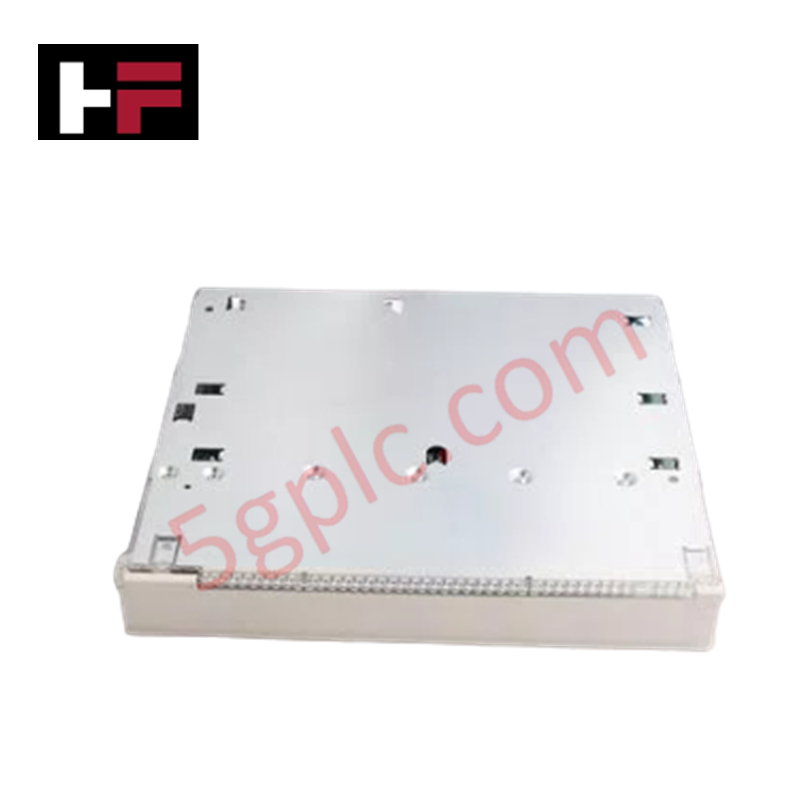
Configured for internal DC voltage regulation and bus power conversion in ABB Advant Master subracks, the ABB DSSR 170 48990001-PCC (DSSR 170 Power Supply Modules) provides direct physical/electrical execution.
Hardware Specifications
| Parameter | Specification |
|---|---|
| Model | DSSR 170 |
| Order Code | 48990001-PCC |
| Brand | ABB |
| Origin | Sweden |
| Product Type | Power Supply Modules |
| Input Voltage | 24 VDC |
| Output Voltage | 5 VDC regulated |
| Output Current | 10 A |
| Spare Fuse | 5 A (Part Number 56722011-21) |
| Dimensions | 234 mm x 54 mm x 108 mm |
| Weight | 0.6 kg |
| Operating Temp | 0 to 55 deg C |
| Power Consumption | Internal conversion loss profile |
| WEEE Category | 5. Small Equipment (No External Dimension More Than 50 cm) |
Backplane Bus Communication & I/O Density Scaling
The ABB DSSR 170 power supply module steps down 24 VDC input power to deliver a stabilized 5 VDC, 10 A logic supply directly across the backplane bus. Maintaining regulated power rails prevents voltage drop issues during high-density I/O card population. Integrated backplane interfaces ensure firmware flash compatibility and status reporting across host controller diagnostics.
Frequently Asked Questions
Q: What primary voltage conversion does the DSSR 170 unit perform?
A: The DSSR 170 accepts a 24 VDC input supply and converts it to a regulated 5 VDC output at up to 10 A to energize backplane logic components.
Q: Can the DSSR 170 power supply module be extracted while primary DC power is applied?
A: Main 24 VDC input power must be switched off prior to inserting or removing the unit to prevent arc discharge across backplane connectors and logic corruption.
Field Installation Guidelines
- Isolate primary 24 VDC power before inserting the DSSR 170 power supply module into the chassis rack.
- Align module guides with the subrack rails and slide in until the rear power plug engages completely with the backplane.
- Fasten faceplate locking screws to ensure solid chassis grounding and structural stability under operational vibration.
- Verify that the internal 5 A protection fuse (56722011-21) is seated correctly before energizing the module.
- Ensure adequate convection air flow above and below the module assembly inside the enclosure.
Additional Information
- 100% Genuine Parts: All products are original and authentic, ensuring reliable industrial performance.
- 30-Day Refund Guarantee: Return any in-stock item within 30 days in original, unopened packaging for a full refund (excluding shipping and fees).
- 12-Month Warranty: Covers defects in materials or workmanship; excludes misuse, normal wear, or unauthorized modifications.
- Worldwide Shipping: We ship via USPS, UPS, FedEx, and DHL. Delivery times vary by country and may be subject to customs or import fees.
- Support & Contact: Technical and warranty assistance is available anytime. Contact us here: Contact.
- Purchase Guidance: Check product specifications and compatibility carefully before ordering to ensure proper application.
Tech & Buying Guide

Master Acceptance Testing: Understanding FAT and SAT in Industrial Control Systems
Factory Acceptance Testing (FAT) and Site Acceptance Testing (SAT) serve as critical quality assurance gateways in complex industrial control systems. Both procedures verify that programmable logic controllers (PLCs), distributed control systems (DCS), and associated field devices meet strict functional specifications. However, executing these tests effectively requires clear delineation between off-site staging and final field commissioning.

Industrial Networking Essentials: Demystifying Hubs, Switches, and Routers in Control Systems
Industrial automation relies heavily on robust networking infrastructure to connect programmable logic controllers (PLCs), distributed control systems (DCS), and human-machine interfaces (HMIs). Modern factory automation environments generate vast amounts of real-time operational data across deterministic networks. Understanding the structural differences between hubs, switches, and routers ensures optimal traffic segmentation, minimizes latency, and maintains high network availability.
Safety Relays in Industrial Automation: Fundamentals, Design Standards, and Fail-Safe Architecture
Safety relays form the bedrock of functional safety in modern factory automation, preventing catastrophic equipment failure and protecting plant personnel. While standard electromechanical relays handle basic load switching, they lack the redundant diagnostics required for high-risk industrial environments. Modern industrial automation platforms—including programmable logic controllers (PLCs) and distributed control systems (DCS)—rely on specialized safety relays to monitor field devices and isolate hazards instantly.