










Product Details
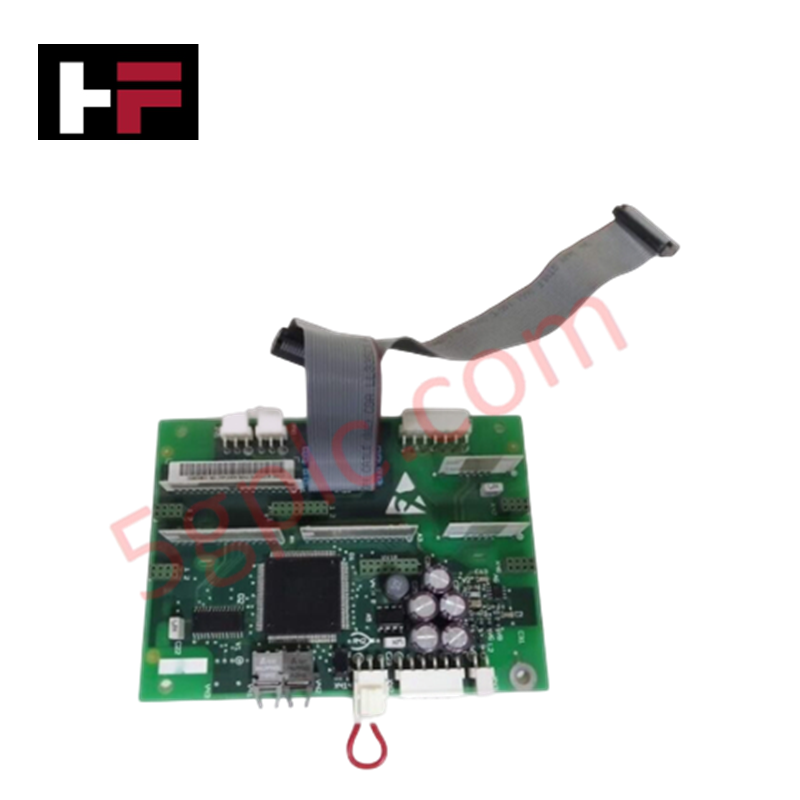
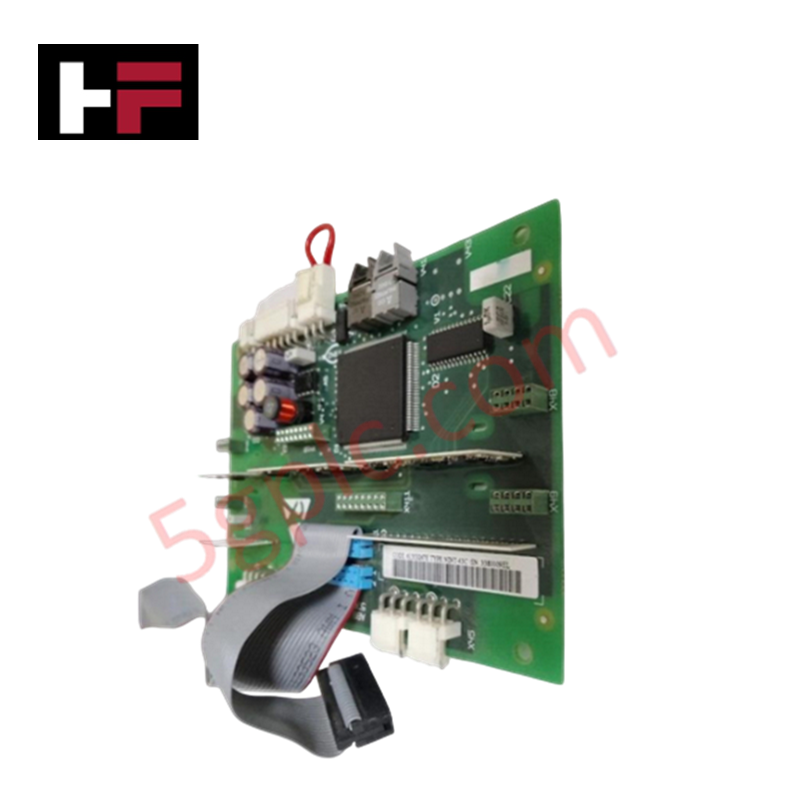
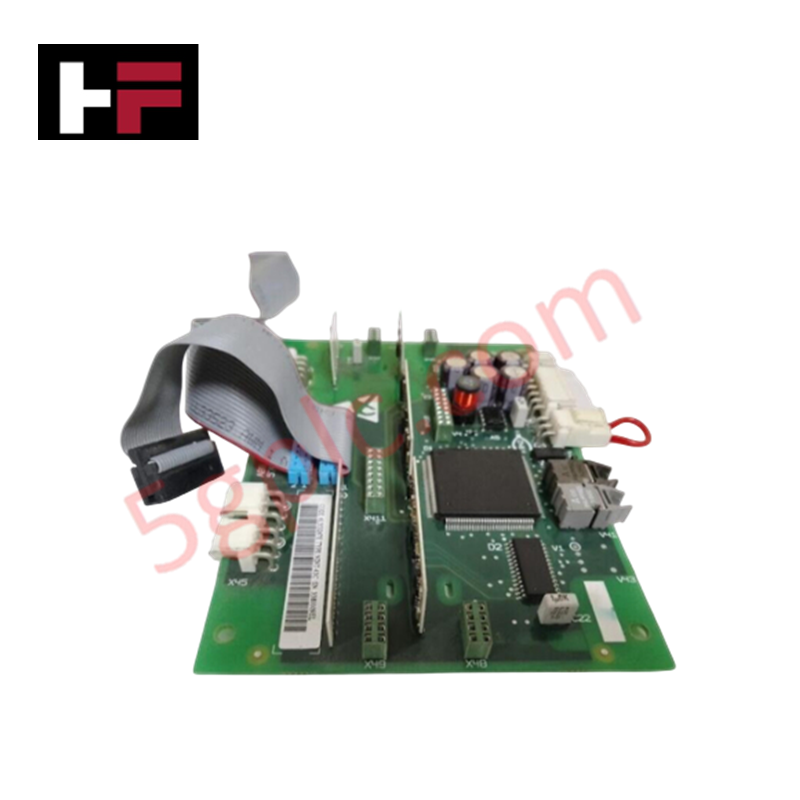
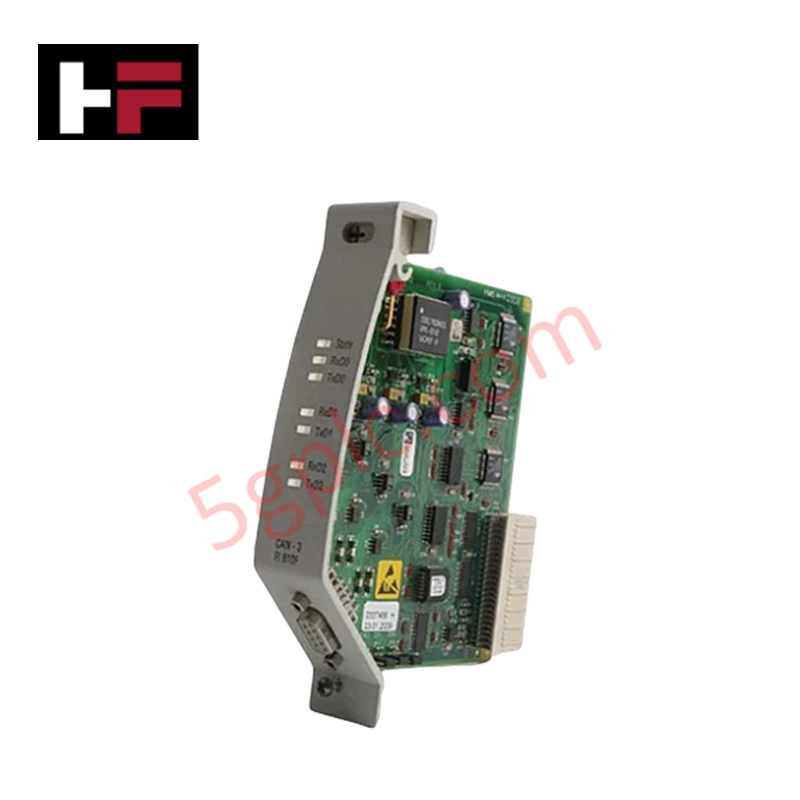
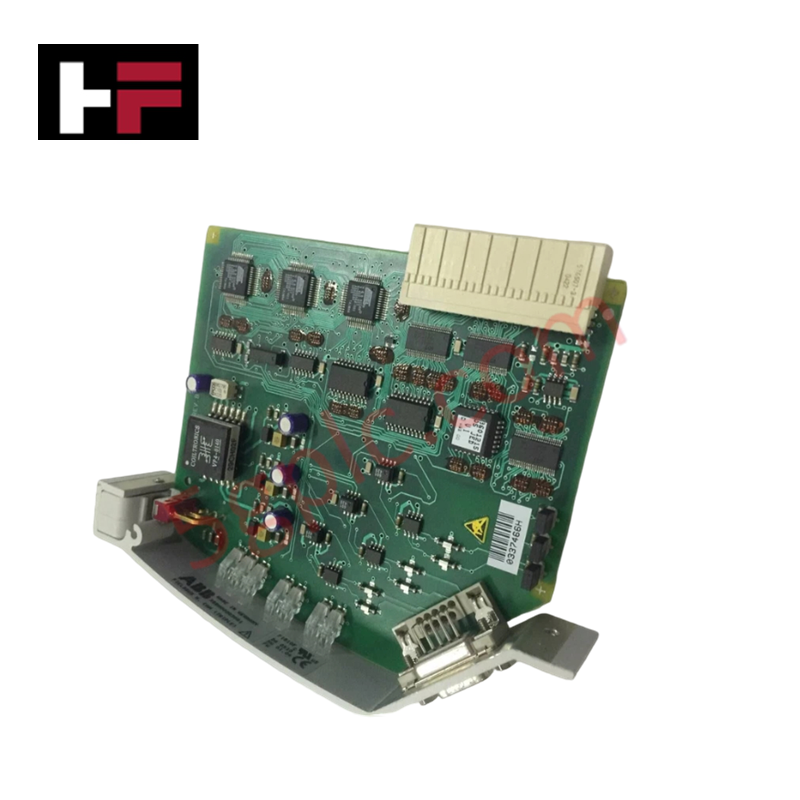
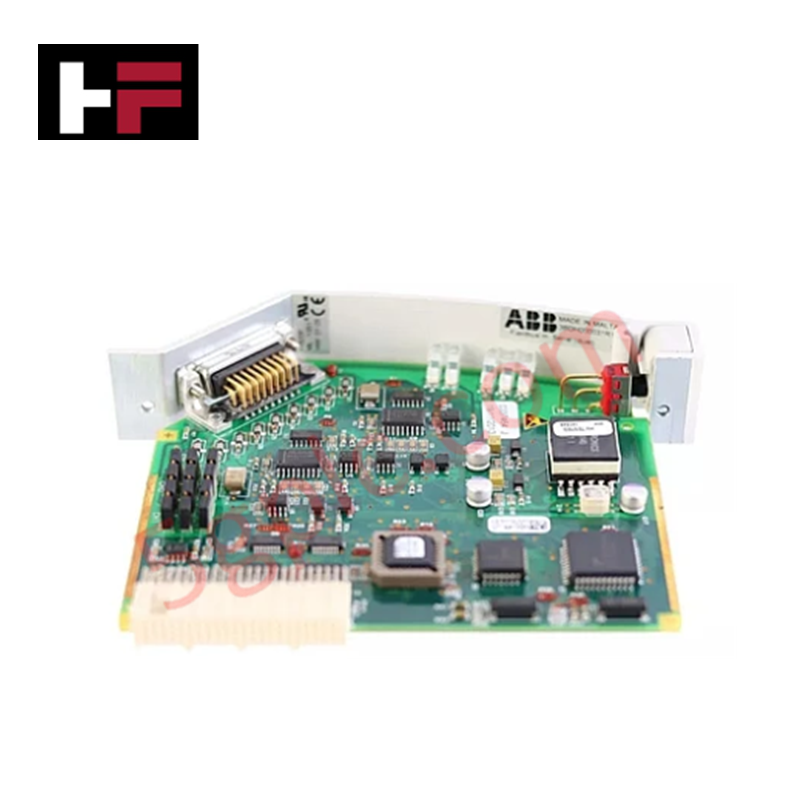
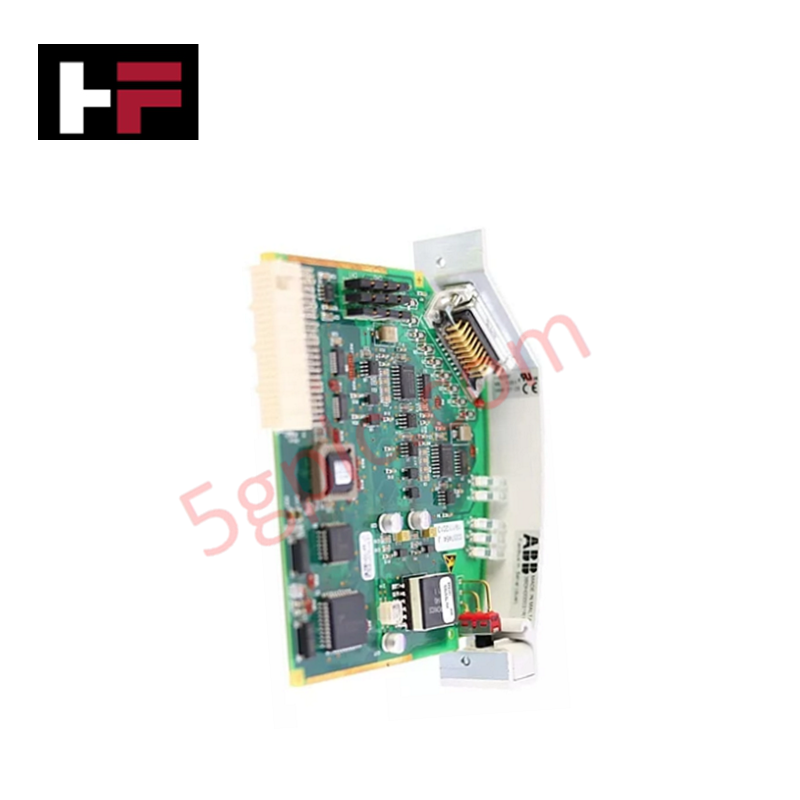
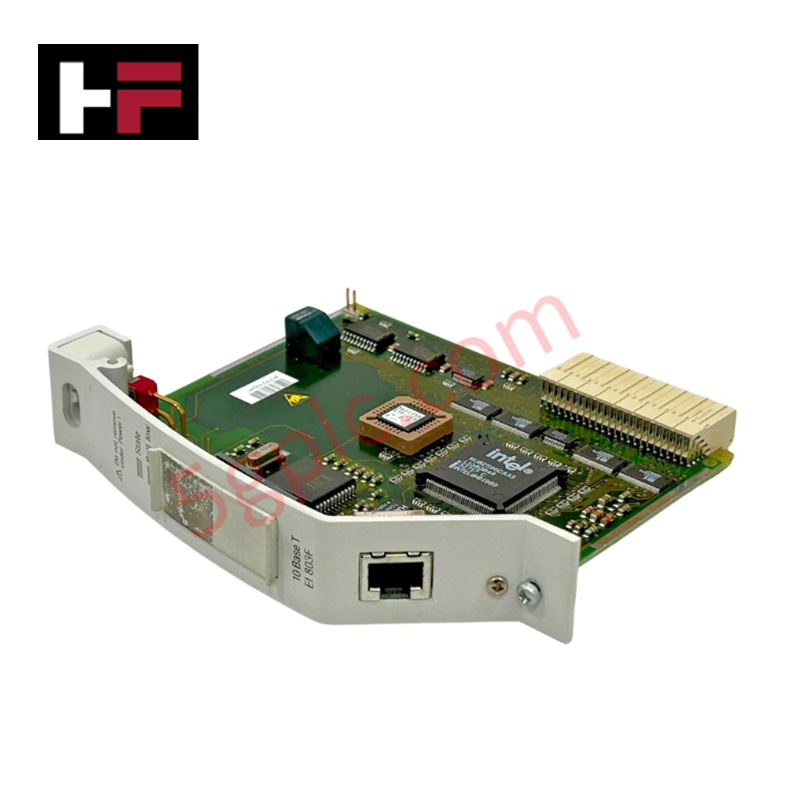
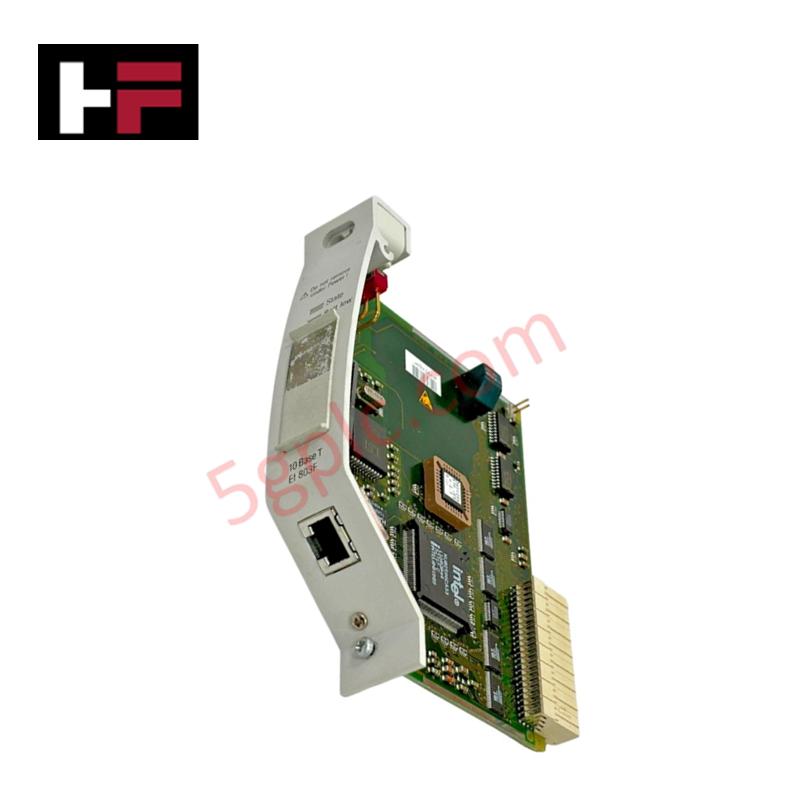
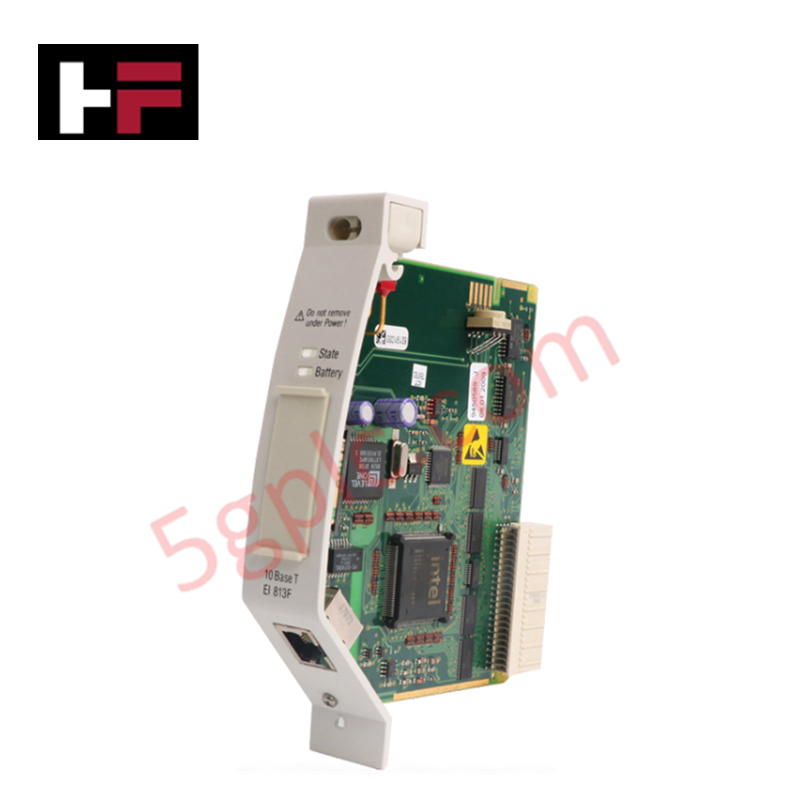
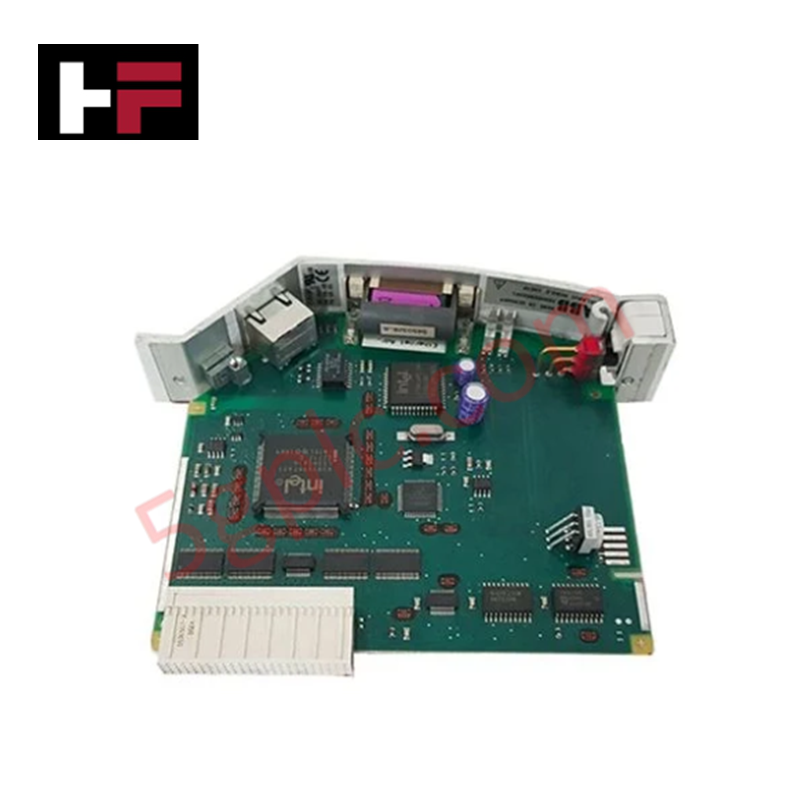
The ABB NINT-43C, also cataloged as the NINT-43C Network Interface Module, operates as a dedicated hardware component for industrial network data bridging tasks within AC 800M and S+ Controller platforms.
Hardware Specifications
| Parameter | Specification |
|---|---|
| Model | NINT-43C |
| Brand | ABB |
| Origin | Sweden / Switzerland |
| Weight | 0.1 kg |
| Dimensions | 2.2 cm (Width) x 12.4 cm (Height) x 12.6 cm (Depth) |
| Operating Temp | -40 to +70 deg C |
| Power Consumption | Sourced via 24 VDC nominal external input supply |
| Communication Ports | Multiple redundant Ethernet ports |
| Protocol Support | Modbus TCP, EtherNet/IP |
| Mounting | Standard industrial DIN rail mounting layout |
| Enclosure Compatibility | Standard control cabinets |
Profinet / EtherNet/IP Deterministic Networks and Firmware Flash Compatibility
The sub-assembly functions as an unmanaged field-level data translator that formats raw controller instructions into EtherNet/IP or Modbus TCP frames. To sustain peak communication volumes across integrated process topologies, the hardware incorporates specialized internal register matrices designed to preserve backplane bus communication velocity. The network board routes real-time interface packets while maintaining rigorous firmware flash compatibility lines across parallel node bridges, which guarantees smooth timing coordination during structural I/O density scaling routines.
Frequently Asked Questions
Q: What are the backplane load restrictions when executing online hot-swap maneuvers on the NINT-43C module?
A: The NINT-43C module supports hot-swap replacement routines inside energized sub-racks. However, when extracting an active unit from a redundant loop, the secondary network port must be fully verified in standby state to prevent immediate bus communication dropouts or localized network register faults.
Q: How does the network logic respond to incoming voltage drops or power supply fluctuations?
A: The onboard circuit tracks incoming 24 VDC lines via built-in electrical monitoring logic. If input parameters cross under standard operational limits, the module initiates a systematic connection shutdown, locks out the communication ports to stop corrupted data packets, and flags a hardware error on the primary controller rail.
Field Installation Guidelines
- DIN Rail Attachment: Anchor the housing onto standard symmetrically aligned steel DIN rails. Verify that the chassis-side grounding element establishes clean metal-to-metal contact with the rail to maintain structural shielding properties.
- Redundant Network Wiring: Plug separate field networks into the designated redundant Ethernet ports. Use Category 5e or better shielded twisted-pair (STP) lines, and separate data conductors from parallel high-voltage industrial AC power ducts.
- Environmental Constraints: Ensure the mounting cabinet satisfies minimum IP54 ratings to shield internal module contacts from conductive moisture, corrosive gases, and airborne carbon dust.
Additional Information
- 100% Genuine Parts: All products are original and authentic, ensuring reliable industrial performance.
- 30-Day Refund Guarantee: Return any in-stock item within 30 days in original, unopened packaging for a full refund (excluding shipping and fees).
- 12-Month Warranty: Covers defects in materials or workmanship; excludes misuse, normal wear, or unauthorized modifications.
- Worldwide Shipping: We ship via USPS, UPS, FedEx, and DHL. Delivery times vary by country and may be subject to customs or import fees.
- Support & Contact: Technical and warranty assistance is available anytime. Contact us here: Contact.
- Purchase Guidance: Check product specifications and compatibility carefully before ordering to ensure proper application.
Tech & Buying Guide

Why 24V DC Power Supplies Standardize Modern Industrial Automation
Industrial control cabinets worldwide rely on 24V DC as the universal power standard for field instrumentation, sensors, and controllers. Walk into any manufacturing plant, and you will find PLCs, human-machine interfaces (HMIs), and smart actuators running on extra-low voltage DC. Standardizing on 24V DC enhances operational safety, lowers cabinet footprint, and maintains steady control performance across factory networks.

Essential Motion Control Commands: A Practical Guide for Engineers
Automation engineers often rely on precise position and speed control to drive modern factory machinery. Modern industrial systems, such as Programmable Logic Controllers (PLCs) and Distributed Control Systems (DCS), depend heavily on standardized motion instructions. Mastering these commands ensures operational safety, protects mechanical components, and optimizes cycle times across production lines.

Mastering Modern Industrial Joystick Controls in Heavy Automation
Industrial joysticks play a pivotal role in human-machine interaction across heavy material handling and mobile hydraulics. These tactile controllers translate complex operator movements into precise electrical signals for PLCs, motion controllers, and DCS networks. Consequently, selecting and installing the right joystick architecture ensures operator safety, reduces fatigue, and optimizes equipment performance.