










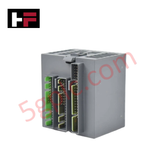
Product Details
Product Overview
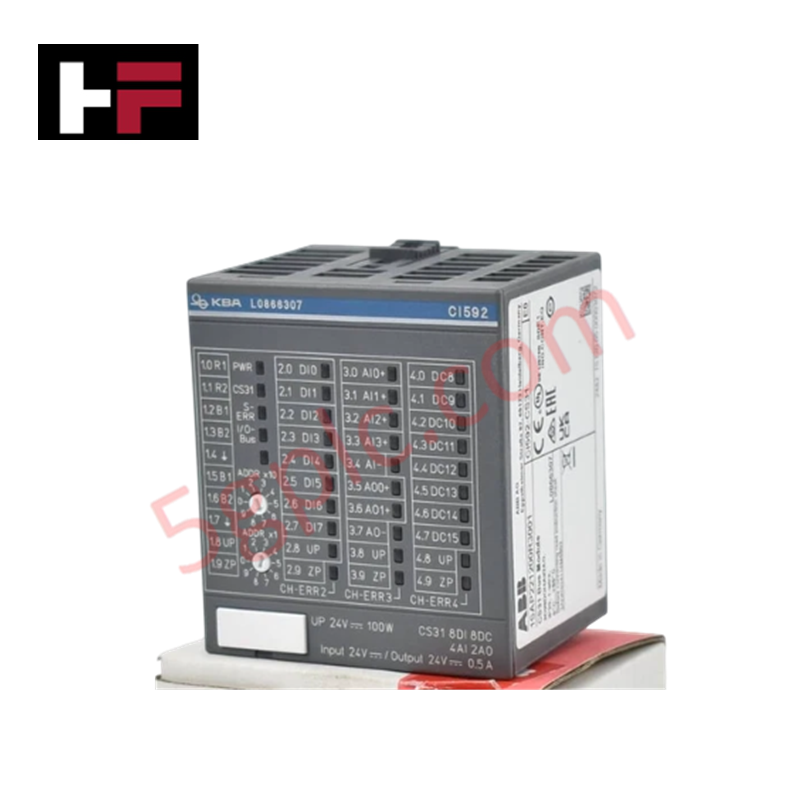
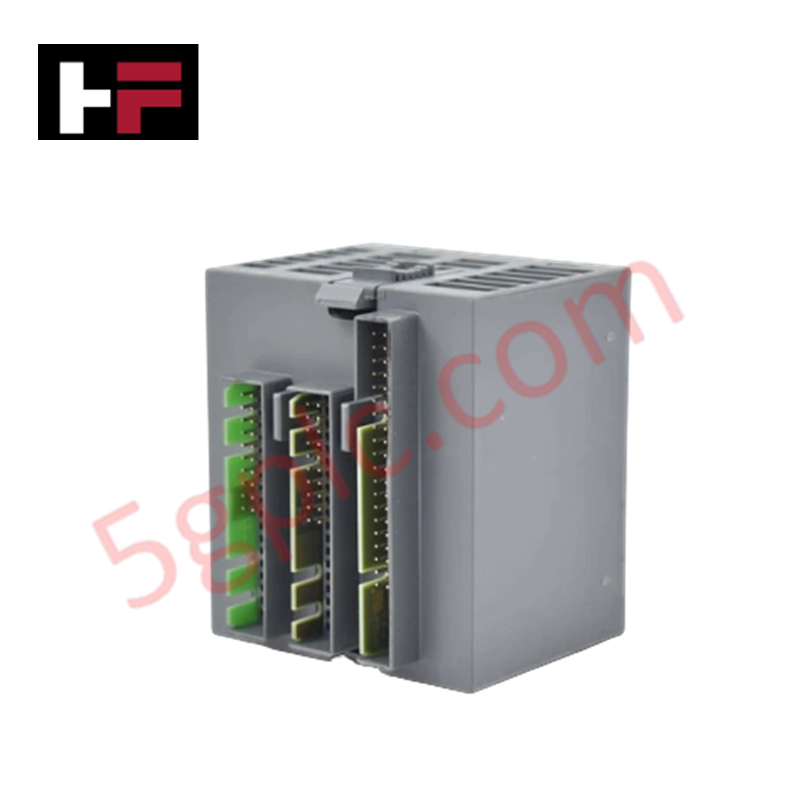
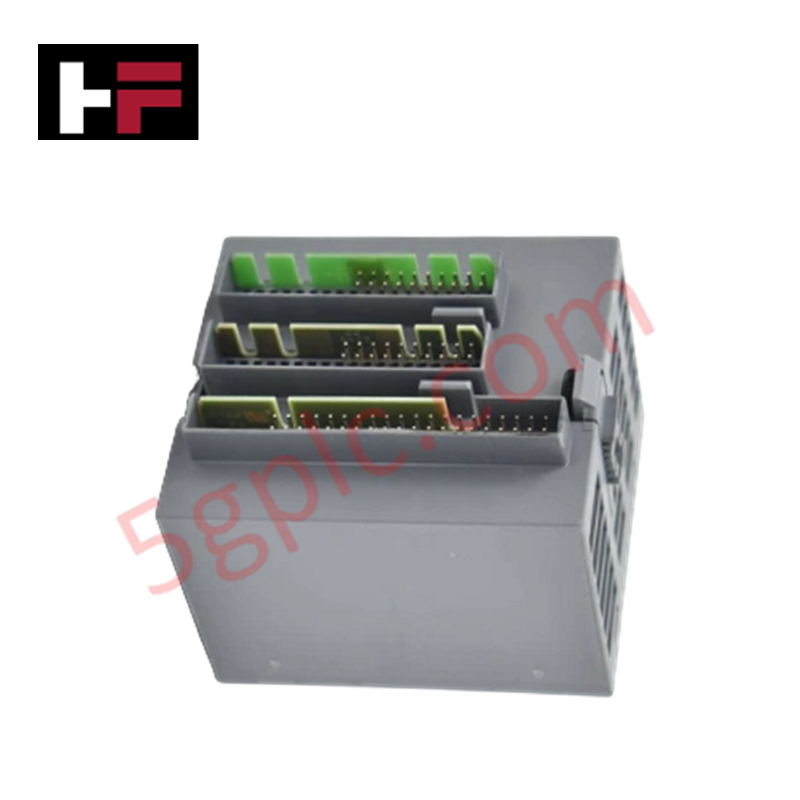
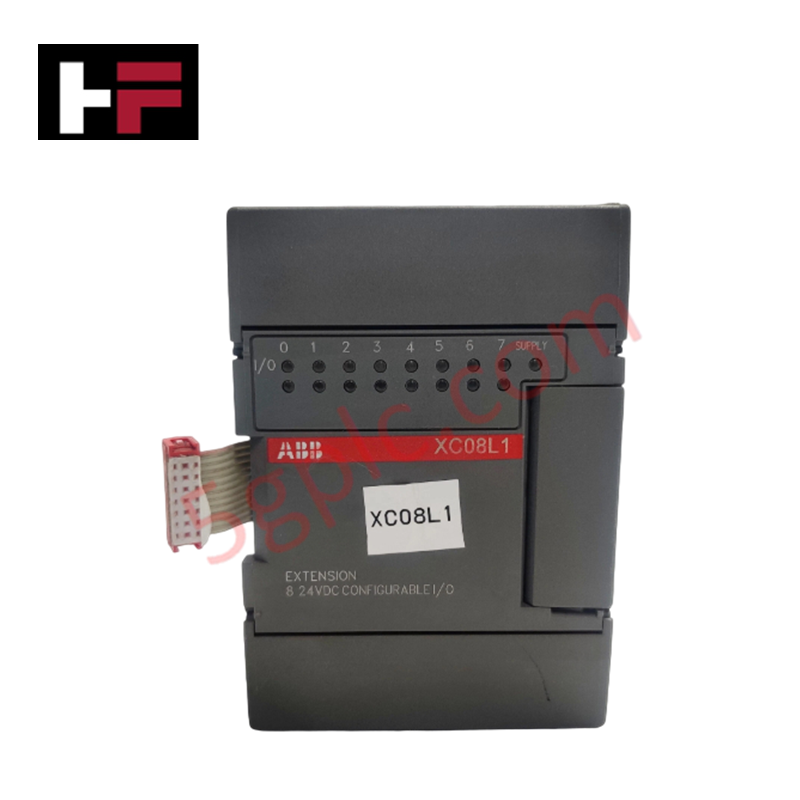
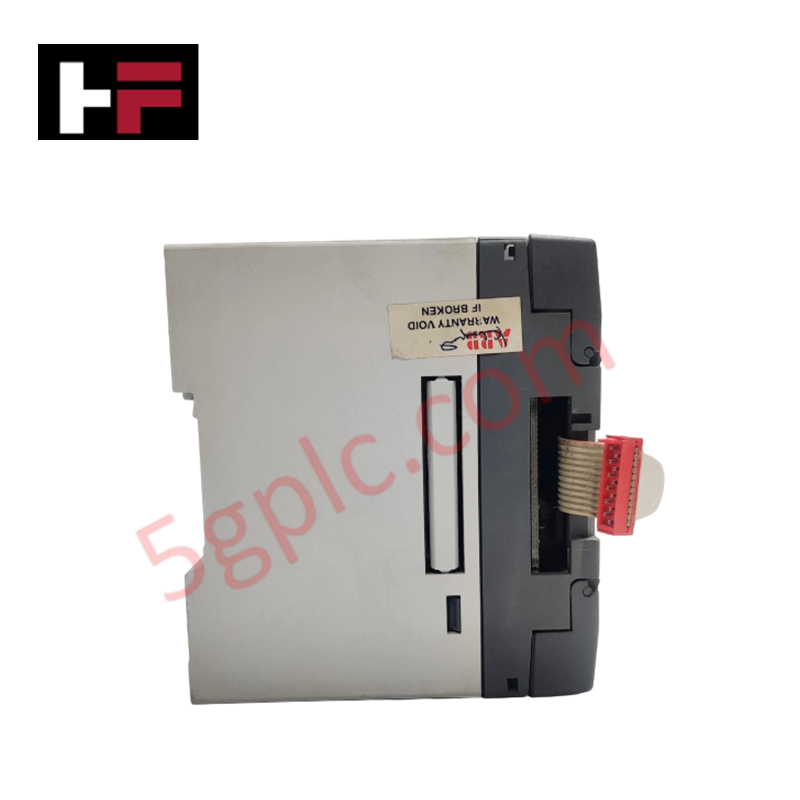
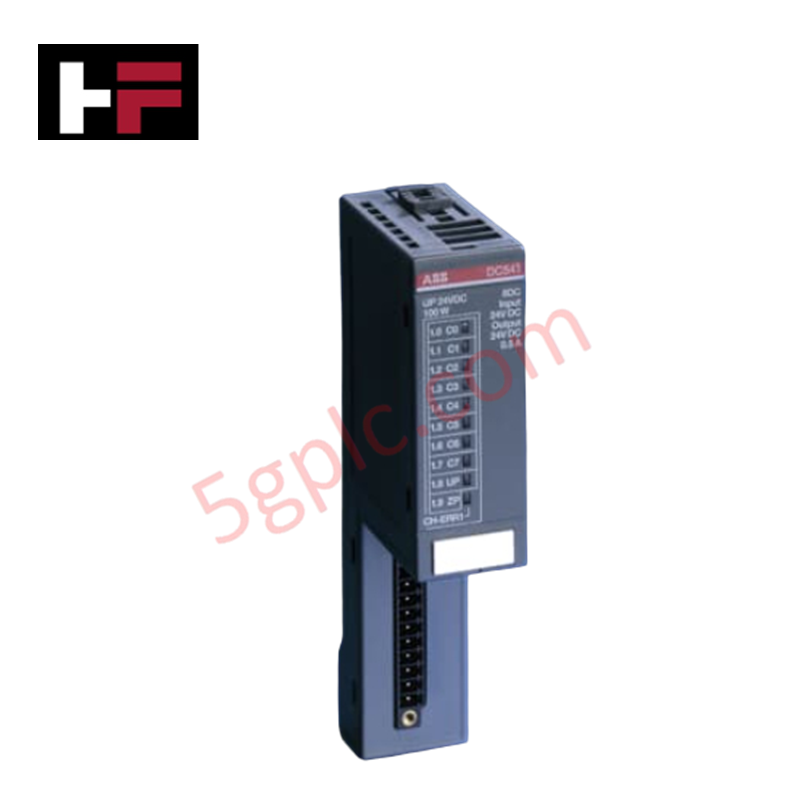
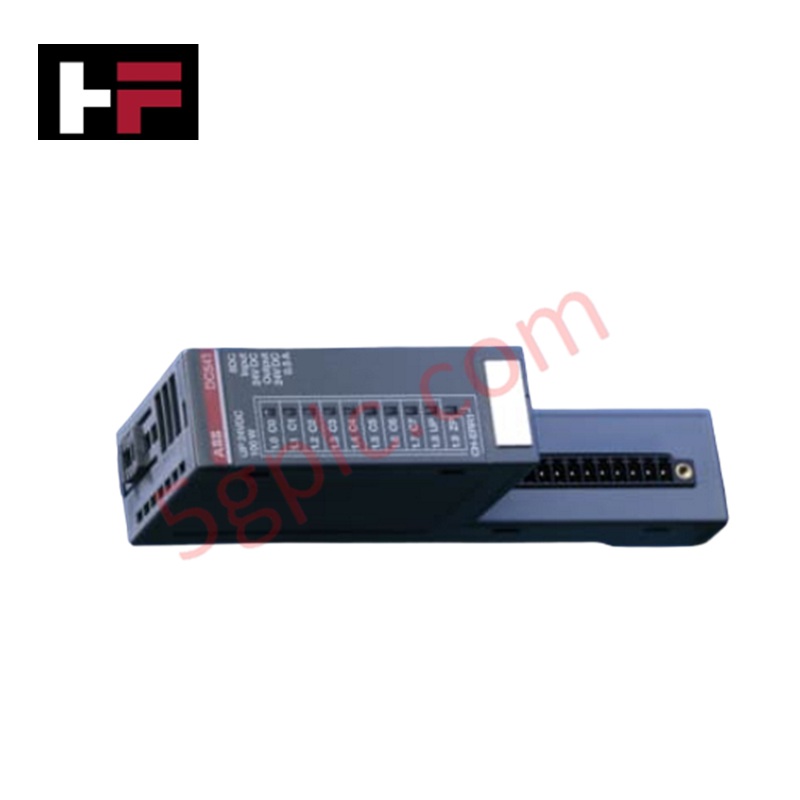
The ABB CI592-CS31 (1SAP221200R3001) functions as a high-performance bus interface module within the S500 distributed I/O platform. Operating as a slave on the CS31 fieldbus, this module provides a versatile hybrid I/O configuration, integrating 8 digital inputs, 8 digital outputs, and 8 configurable digital I/O channels into a single unit. It acts as a decentralized node that bridges field-level signals to the master controller with deterministic timing. We supply this component as 100% Brand New and Original, ensuring your automation architecture utilizes factory-certified hardware for maximum system availability.
Technical Specifications
The CI592-CS31 manages high-density discrete signals through the following technical parameters:
-
Protocol: CS31 Fieldbus (Slave)
-
Digital Inputs: 8 Channels (24V DC, 5mA)
-
Digital Outputs: 8 Channels (Transistor, 24V DC, 0.5A)
-
Configurable I/Os: 8 Channels (Selectable as DI or DO, 0.5A)
-
Input Delay Time: Adjustable from 0.1 ms to 32 ms
-
Output Type: High-side transistor with short-circuit protection
-
Supply Voltage: 24V DC (Range: 20.4 to 28.8 V DC)
-
Dimensions: 67.5 mm (W) x 76 mm (H) x 62 mm (D)
-
Net Weight: 0.125 kg
-
Degree of Protection: IP20
Engineering Advantages
-
Optimized I/O Versatility: The 8 configurable DI/DO channels allow for precise hardware tailoring. This flexibility reduces the need for multiple module variants, as engineers can adapt the I/O mix via software to match specific field requirements on-site.
-
High-Speed Signal Response: Adjustable input filters allow for delay times as low as 0.1 ms. This responsiveness captures rapid signal transitions, essential for high-frequency counting and synchronized machinery where timing is critical.
-
Robust Output Protection: Each transistor output provides up to 0.5A and includes integrated protection against overloads and short circuits. This hardware-level safety prevents damage to the module during field wiring errors or actuator failures.
-
Compact High-Density Design: At only 67.5 mm wide, the module packs 24 total I/O points plus bus logic into a minimal DIN rail footprint. This compact profile facilitates installation in narrow decentralized control boxes or machine-mounted panels.
-
Deterministic Fieldbus Performance: The module utilizes the proven CS31 protocol, offering a cost-effective and reliable fieldbus solution for small-to-medium distributed systems without the overhead or complexity of Ethernet-based systems.
FAQs
-
Does the CI592-CS31 require a specific Terminal Base for installation?
Yes. You must mount the CI592-CS31 on a compatible S500 Terminal Base (such as the TU5xx series). The base provides the physical mounting, the CS31 bus connection terminals, and the interface for any attached expansion modules.
-
Can I expand the I/O capacity beyond the on-board channels?
Yes. The CI592-CS31 supports the connection of up to 10 additional S500 I/O expansion modules on its local bus, allowing you to scale the field station to meet complex signal requirements.
-
How do I set the CS31 station address on this module?
You set the station address using the hardware switches located on the module. Ensure each module on the CS31 network has a unique address before powering up the system to avoid communication conflicts.
-
What happens to the outputs if the CS31 communication link fails?
The module supports a "Safe State" configuration. You can program the outputs to either hold their last value or switch to a predefined "Off" state to ensure the machinery enters a safe condition during a bus failure.
Additional Information
- 100% Genuine Parts: All products are original and authentic, ensuring reliable industrial performance.
- 30-Day Refund Guarantee: Return any in-stock item within 30 days in original, unopened packaging for a full refund (excluding shipping and fees).
- 12-Month Warranty: Covers defects in materials or workmanship; excludes misuse, normal wear, or unauthorized modifications.
- Worldwide Shipping: We ship via USPS, UPS, FedEx, and DHL. Delivery times vary by country and may be subject to customs or import fees.
- Support & Contact: Technical and warranty assistance is available anytime. Contact us here: Contact.
- Purchase Guidance: Check product specifications and compatibility carefully before ordering to ensure proper application.


Tech & Buying Guide

Understanding VFD Mechanical Brake Logic and Control in Industrial Automation
Variable Frequency Drives (VFDs) play a crucial role in modern industrial automation by controlling motor speed, torque, and acceleration. However, high-inertia loads and vertical lifting systems require precise mechanical braking logic to ensure operational safety and prevent equipment damage.

Why Programmable Logic Controllers Drop into Stop Mode: An Expert Analysis
Industrial automation systems rely heavily on Programmable Logic Controllers (PLCs) to maintain uninterrupted production. When a PLC unexpectedly shifts from Run to Stop mode, whole manufacturing lines stall.
As control systems evolve across modern factory automation, understanding the root causes of these interruptions helps engineers minimize costly downtime. This technical guide breaks down why PLCs trip into Stop mode and provides practical strategies to mitigate system faults.

Understanding Root Causes of Unplanned PLC Stop Mode in Industrial Automation
Modern Programmable Logic Controllers manage execution through distinct operational states: Run, Stop, Start-Up, and Hold. During power-up, a controller initializes memory registers within Stop mode before briefly transitioning to Start-Up mode. During this phase, internal self-diagnostics evaluate system integrity across hardware and user programs. If the controller detects no critical faults, it enters Run mode to execute the control program continuously. However, any severe system anomaly forces the CPU back into Stop mode immediately to prevent erratic machine behavior across the plant floor.